Corridors of Opportunities: From Azerbaijan to Central Asia Enabling Bankable Delivery through Risk Mitigation
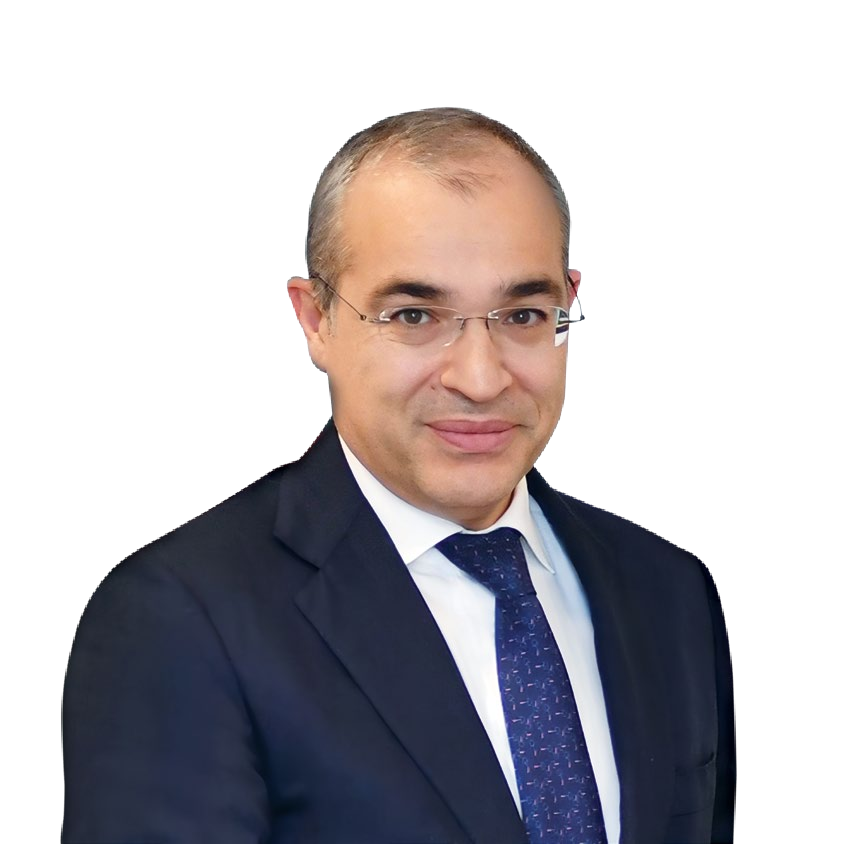
IsDB GROUP GOVERNOR FOR THE REPUBLIC OF AZERBAIJAN,
MINISTER OF ECONOMY OF THE REPUBLIC OF AZERBAIJAN
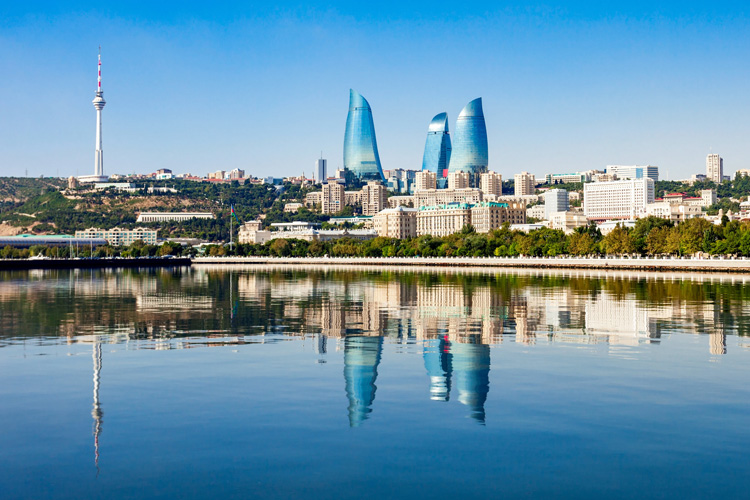
As Azerbaijan prepares to host the 2026 IsDB Group Annual Meetings in Baku, the country is reinforcing its role as a strategic bridge between Central Asia, the South Caucasus, Türkiye, Europe, and the wider Islamic world. Its growing importance in trade, logistics, energy security, investment, and regional connectivity makes it a timely focus for ICIEC’s Special Issue.
In this interview, H.E. Mr. Mikayil Jabbarov, Minister of Economy of the Republic of Azerbaijan and IsDB Group Governor for Azerbaijan, shares his perspective on the country’s economic priorities, including non-oil growth, industrial development, private-sector participation, renewable energy, and the reconstruction and reintegration of Garabagh and East Zangezur.
He also reflects on Azerbaijan’s deepening cooperation with Central Asia and the role of institutions such as ICIEC in de-risking strategic investments, mobilising private capital, and helping turn regional connectivity into bankable opportunities for sustainable growth and shared prosperity.
As host country of the 2026 IsDB Group Annual Meeting, how would you assess Azerbaijan’s growing importance as a regional platform for economic dialogue, partnership, and investment cooperation?
Hosting the 2026 IsDB Group Annual Meetings in Baku for the second time is both an honor and a reflection of Azerbaijan’s growing role as a regional platform for economic dialogue, partnership and investment cooperation. This distinction demonstrates the confidence placed in Azerbaijan’s development path, modern infrastructure, institutional capacity and commitment to multilateral cooperation. This occasion also highlights the depth and continuity of Azerbaijan’s long-standing partnership with the IsDB Group.
The Islamic Development Bank Group has supported Azerbaijan’s sustainable economic journey through a comprehensive partnership that combines sovereign financing, private-sector development, trade support, and investment risk mitigation. This strong and multifaceted cooperation has played an important role in supporting Azerbaijan’s broader development objectives and economic transformation agenda.
The Annual Meetings will take place at an important stage of Azerbaijan’s economic development. Our current economic agenda places particular emphasis on expanding non-oil production and exports, improving the business environment and increasing private-sector participation. Over recent years Azerbaijan has made significant progress in strengthening the non-oil economy, expanding industrial and export capacity, and creating new opportunities across priority sectors.
Against this backdrop, the 2026 IsDB Group Annual Meetings will offer an important opportunity to present Azerbaijan’s economic progress and investment potential to a broad international audience. We expect the Meetings to generate practical discussions on financing strategic infrastructure, investment in priority sectors, regional trade and cooperation with IsDB member countries.
Azerbaijan is increasingly recognized as a strategic bridge between Central Asia, the South Caucasus, and global markets. How do you see the country’s economic role evolving in this wider regional context?
Azerbaijan’s economic role is evolving beyond that of a transit route, as the country assumes a broader role in regional trade, logistics, investment, energy security and digital exchange. Located at the intersection of the South Caucasus, Central Asia, Türkiye, Europe and the broader Islamic world, Azerbaijan is increasingly positioned as a practical economic bridge connecting production centers, consumer markets, energy systems and strategic transport corridors.
This transformation is supported by a range of strategic infrastructure projects that have strengthened Azerbaijan’s role in Eurasian connectivity. Transport assets such as the Baku–Tbilisi–Kars railway and the Baku International Sea Trade Port have enhanced East–West trade flows and reinforced the Middle Corridor. At the same time, major energy projects, including the Baku–Tbilisi–Ceyhan pipeline and the Southern Gas Corridor, have expanded Azerbaijan’s contribution to regional energy security and diversified supply routes to international markets. Together, these investments have strengthened Azerbaijan’s position as a reliable logistics, trade and energy hub serving Central Asia, the South Caucasus, Europe and other international markets.
The next stage is to translate connectivity into economic value creation. This is particularly evident in the growing importance of the Middle Corridor. Azerbaijan’s objective is to develop the corridor into a broader economic ecosystem that supports logistics services, industrial activity, processing capacity, private-sector participation and deeper regional integration.
Regulatory and operational coordination is equally important. Physical infrastructure must be supported by digitalized procedures, efficient customs and border management, transparent logistics services, and stronger coordination among corridor countries. These reforms are essential to reduce bottlenecks, shorten delivery times and make regional routes more predictable for investors and exporters.
A further dimension of this agenda is the TRIPP, which is expected to strengthen unimpeded links between the main part of Azerbaijan and the Nakhchivan Autonomous Republic. It is also worth mentioning that TRIPP has the potential to become an important component of both the Middle Corridor and North–South corridors, further enhancing regional connectivity and reinforcing the country’s role as a strategic logistics and trade hub across Eurasia.
Azerbaijan has significant potential in solar, wind, and other clean energy sources, including offshore wind in the Caspian Sea. In this context, Azerbaijan also supports several green energy corridor initiatives linking the Caspian region with European markets, including the Central Asia–Azerbaijan–Europe, Caspian–Black Sea–Europe, and Azerbaijan–Türkiye–Europe corridors.
The Black Sea Submarine Power Cable project and the trilateral cooperation among Azerbaijan, Kazakhstan and Uzbekistan are intended to expand renewable electricity generation and cross-border transmission.
At the same time, trans-Caspian digital infrastructure projects are strengthening data connectivity between Asia and Europe. Taken together, these initiatives combine transport infrastructure, energy transmission and cross-border digital networks within a broader regional framework. In this regard, the IsDB Group is a valued and natural partner for Azerbaijan as we advance this long-term vision of regional integration and sustainable development.
What are the key priorities currently shaping Azerbaijan’s economic agenda, particularly in relation to trade, investment, industrial development, and connectivity?
Azerbaijan’s current economic priorities include the expansion of the non-oil economy, higher productivity, increased private investment and the economic reintegration of the liberated territories. These priorities are supported by macroeconomic stability, continued improvements in the business environment and new opportunities arising from reconstruction and regional cooperation.
A key priority is to accelerate the development of the non-oil economy. This includes manufacturing, agriculture and agro-processing, information technologies, renewable energy, tourism and services. Growth in these sectors is important for creating skilled employment, expanding exports and reducing dependence on hydrocarbon revenues.
An equally important dimension of this agenda is the restoration and reconstruction of our liberated territories – Garabagh and East Zangezur. Beyond physical reconstruction, this process is focused on economic reintegration, the development of modern infrastructure, the return of economic activity, and the creation of new opportunities in agriculture, industry, tourism, renewable energy and logistics.
Another important priority is to improve the investment climate and expand private-sector participation through regulatory reforms, the digitalization of public services, stronger support for SMEs, public-private partnerships, and the continued development of industrial and free economic zones.
Transport and logistics also remain central to the economic agenda. Azerbaijan has invested significantly in transport and logistics infrastructure, including ports, railways, highways and air cargo capacity. The next priority is to increase the use of this infrastructure by expanding logistics services, industrial activity and export-oriented production.
Renewable energy and lower-carbon industrial development are also receiving increased attention. Ongoing solar and wind projects, together with regional electricity transmission initiatives, support energy security and create new opportunities for investment and industrial cooperation. These priorities are closely aligned with the IsDB Group’s work in infrastructure, private-sector development and trade facilitation.
Azerbaijan has been advancing major efforts in transport, logistics, and industrial development. Which sectors do you see as holding the strongest potential for future investment and cross-border collaboration?
Several sectors stand out as particularly promising for future investment and cross-border cooperation.
Azerbaijan’s position on the Middle Corridor creates strong opportunities in port services, rail and road logistics, warehousing, multimodal transport, customs modernization, and digital trade facilitation. Investment opportunities extend beyond transport infrastructure to port services, warehousing, freight operations, processing facilities and industrial production along the main routes. In this regard, Azerbaijan offers a number of important investment platforms, including the Baku International Sea Trade Port, the Alat Free Economic Zone (AFEZ), industrial parks, logistics centers and new infrastructure in the liberated territories and Nakhchivan.
Strategically located at the intersection of major railways, highways and maritime routes, and adjacent to the Baku International Sea Trade Port, AFEZ is emerging as a key industrial and logistics hub with seamless access to multimodal transport networks and international trade corridors. Supported by its tax and customs incentives, simplified administrative procedures and competitive regulatory framework, the zone provides an attractive location for high value-added, export-oriented manufacturing and internationally traded services.
The emerging peace agenda also creates an additional regional dimension for this sector. The outcomes of the Washington meeting on 8 August 2025, together with progress in the peace process, could further strengthen Azerbaijan’s role in regional transport, logistics and trade. This evolving framework is expected to enhance connectivity across the wider region and support the development of more integrated and resilient supply chains.
Industrial sectors with significant potential include petrochemicals, construction materials, pharmaceuticals and food processing linked to regional supply chains. At the same time, agriculture and agribusiness offer strong potential for value chain development, while tourism and the wider services sector present growing opportunities for investment, diversification, and employment creation. Renewable energy also offers significant investment opportunities, with Azerbaijan advancing large-scale solar and wind projects that support both domestic energy supply and regional electricity trade.
Beyond these areas, the liberated territories – Garabagh and East Zangezur – create new opportunities for investment in manufacturing, logistics, construction materials, agro-processing, renewable energy and tourism. The special incentive mechanisms applied in these territories, including tax and social insurance benefits and other support measures for entrepreneurs, are designed to encourage investment, accelerate economic reintegration and support the return of business activity.
Nakhchivan is another important investment geography. With its strategic location and improving connectivity prospects, Nakhchivan can become an important platform for production, logistics and trade between Azerbaijan, Türkiye and the wider region. The tax, customs and social incentives available to entrepreneurs operating in Nakhchivan further strengthen its potential as an investment destination.
Digital trade, fintech, e-commerce, smart logistics and public-sector digitalization also offer significant scope for cooperation with IsDB member countries. These areas complement Azerbaijan’s transport and energy infrastructure by expanding cross-border data flows, digital services and innovation partnerships.
In your view, how can multilateral institutions such as ICIEC contribute more effectively to Azerbaijan’s development priorities by helping de-risk strategic investments, mobilize private capital, and support cross-border economic cooperation?
Institutions such as ICIEC can play an important role in helping Azerbaijan prepare strategic projects for financing. Access to funding depends substantially on investor confidence, including predictability, transparency and effective risk mitigation.
ICIEC’s instruments are particularly relevant to export credit, investment protection and political risk mitigation. Export credit insurance, investment insurance and political risk insurance can help reduce perceived risks in strategic sectors such as infrastructure, energy, logistics and industrial development. This support is especially important for cross-border projects, where investors may be exposed to regulatory, payment, currency convertibility, transfer and other noncommercial risks.
ICIEC can also encourage greater private-sector participation by improving the risk-return profile of projects. Properly structured risk mitigation can help attract commercial banks, institutional investors, export credit agencies and private companies into long-term development projects, particularly where investors require additional comfort at early stages.
Additionally, ICIEC can support trade and export development by facilitating trade finance, protecting exporters and encouraging companies to enter new markets. For Azerbaijan, this is highly relevant as we seek to expand non-oil exports and strengthen our role as a regional trade and logistics hub.
We also see strong potential for closer cooperation between ICIEC, the wider IsDB Group, the Government of Azerbaijan, and the private sector in structuring well-prepared and financially viable solutions. The goal should be to move from project concepts to effective implementation – with clear allocation of risks, strong governance,
Azerbaijan’s position on the Middle Corridor creates strong opportunities in port services, rail and road logistics, warehousing, multimodal transport, customs modernization, and digital trade facilitation. Investment opportunities extend beyond transport infrastructure to port services, warehousing, freight operations, processing facilities and industrial production along the main routes.
and measurable development impact. The 2026 Annual Meetings in Baku will be an important opportunity to advance this conversation in concrete terms.
Looking ahead, what is your vision for deeper economic cooperation between Azerbaijan, Central Asia, and international partners in order to promote sustainable growth and shared prosperity?
Azerbaijan’s accession as a full-fledged participant in the Consultative Meeting of the Heads of State of Central Asia marks an important new stage in its engagement with the region. It reflects the growing recognition of the deep historical and cultural ties between Azerbaijan and the Central Asian countries, as well as their shared interests in trade, investment, transport, energy, industrial cooperation and regional development.
This format provides a stronger institutional platform for regular dialogue, closer coordination and the advancement of joint regional initiatives. It enables Azerbaijan to contribute more actively to discussions on transport corridors, regional trade, energy security, investment cooperation and sustainable development, while complementing its expanding bilateral relations with the countries of Central Asia.
Azerbaijan is also reinforcing these relations through practical investment and financing mechanisms. The Azerbaijan–Uzbekistan Investment Company supports joint investments, facilitates access to finance and promotes partnerships between the business communities of the two countries. It provides a practical mechanism for supporting joint projects and broadening access to finance in priority sectors.
The Azerbaijan–Kyrgyz Development Fund similarly supports the implementation of joint projects and the expansion of economic cooperation with the Kyrgyz Republic. By providing financial and institutional support, the Fund can help address financing constraints and encourage stronger links between businesses in both countries, particularly in areas requiring long-term investment.
Kazakhstan is another key economic partner of Azerbaijan in Central Asia. Cooperation covers trade, investment, transport, logistics, energy and industry. Particular importance is attached to the development of the Middle Corridor, stronger transport links across the Caspian Sea and more efficient connections between Central Asia, the South Caucasus and European markets. The joint investment fund established by Azerbaijan Investment Holding and Samruk-Kazyna Joint Stock Company provides an additional practical mechanism for bilateral cooperation. The Fund is intended to support the development of the Trans-Caspian International Transport Route and facilitate investment in various sectors of the Azerbaijani and Kazakh economies.
Relations with Turkmenistan are particularly important in transport, transit, logistics, trade and energy. Its geographic position and connections across the Caspian Sea make Turkmenistan an important partner in strengthening east–west connectivity. Closer coordination between ports, transport operators and relevant institutions can improve transit efficiency and contribute to more reliable regional supply chains.
Azerbaijan is also expanding its strategic partnership with Tajikistan. There is significant potential to develop cooperation in trade, investment, agriculture, industry, energy and transport. Stronger contacts between the private sectors and the identification of viable joint projects can further broaden the economic basis of bilateral relations.
Cooperation among Azerbaijan, Kazakhstan and Uzbekistan in the field of green energy also demonstrates the potential for largescale regional initiatives with long-term economic and environmental benefits. Joint efforts in renewable electricity generation and transmission can strengthen regional energy security, support the transition to cleaner energy sources and create new opportunities for investment and technological cooperation.
At the regional level, further progress will require simpler procedures, more efficient customs and border processes, compatible technical standards and better-prepared infrastructure projects. The IsDB Group, ICIEC and other international partners can support these efforts through financing, insurance and risk-mitigation instruments.
Looking ahead, Azerbaijan will continue to deepen its economic relations with the Central Asian countries and facilitate their access to markets in the South Caucasus, Türkiye and Europe. Priority will be given to joint investment projects, more efficient transport links and practical cooperation in trade, energy, industry and logistics.