Discover Azerbaijan
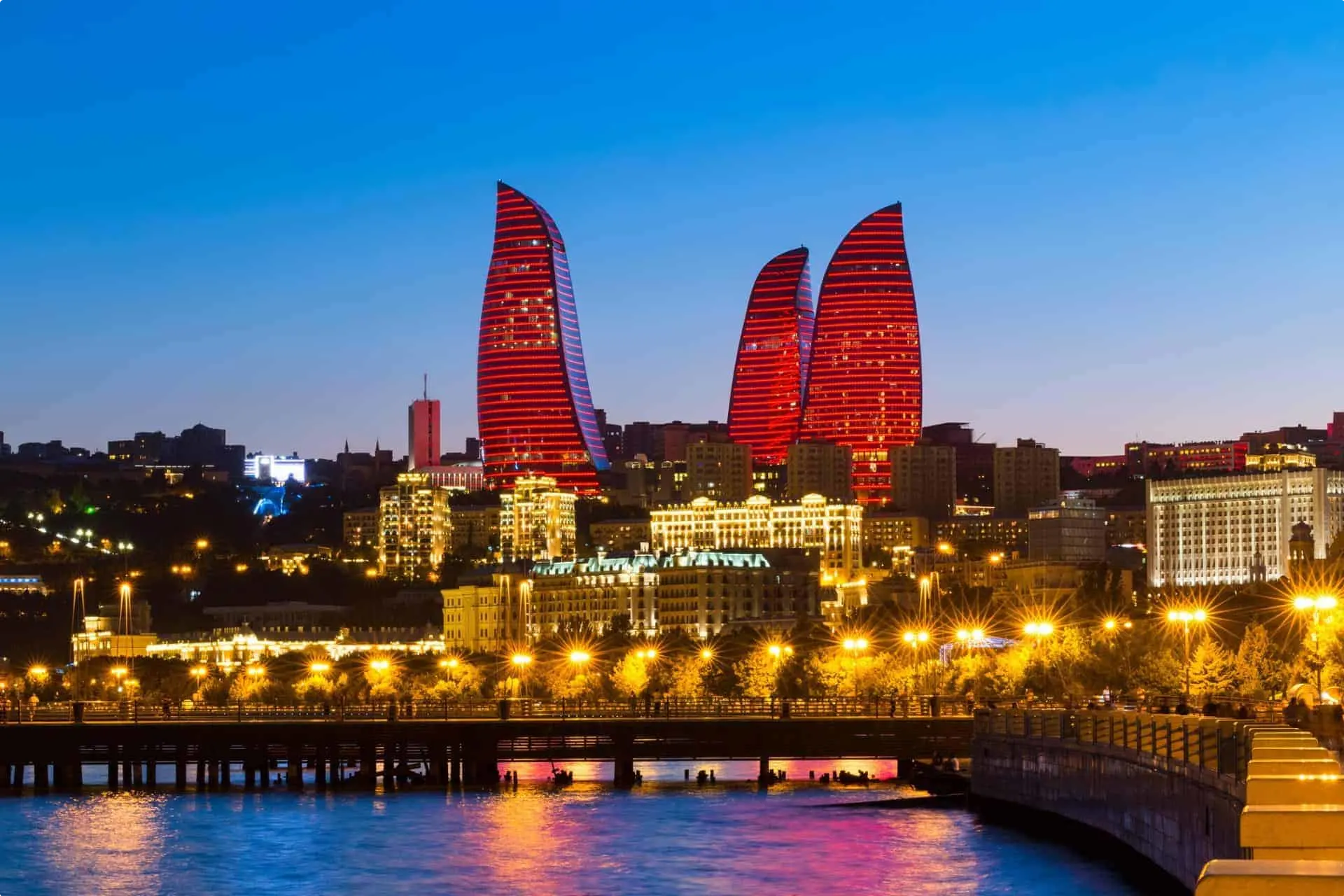
Where the ancient Silk Road meets a modern skyline and a nation at the crossroads of East and West embraces tradition and transformation
At the intersection of Europe and Asia, located between the Caucasus Mountains and the shores of the Caspian Sea, Azerbaijan stands as one of the world’s most captivating destinations. As the host of the IsDB Group 2026 Annual Meetings, Baku, a city of history and ambition, offers delegates a window into a nation whose past is ancient and whose future is bold.
The CapitalBaku: A City of Winds
Few cities in the world so seamlessly stitch together centuries of history with bold architectural modernity. Baku achieves this effortlessly. Standing along its Caspian Boulevard, a visitor’s gaze moves from the medieval ramparts of the Old City to the shimmering curves of the Heydar Aliyev Centre, as if two eras were holding a quiet conversation across time.
-
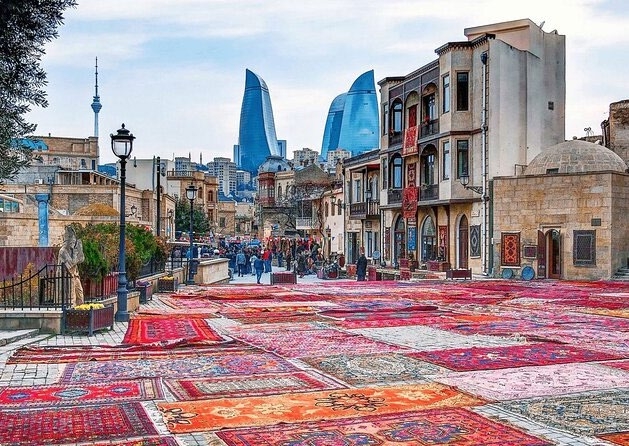
Icherisheher (Old City)
A UNESCO World Heritage Site, Baku’s ancient walled inner city harbours the Maiden Tower and Palace of the Shirvanshahs, stones that reflect centuries of civilisation.
-
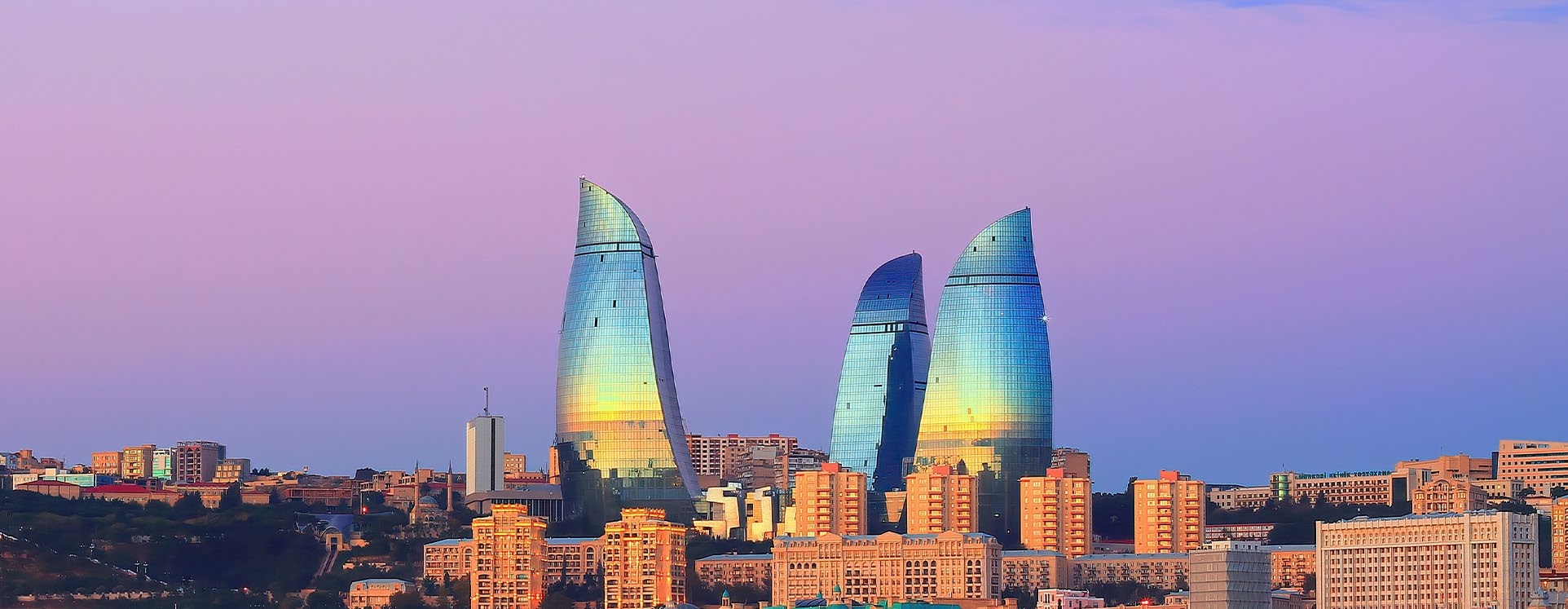
The Flame Towers
Three soaring glass skyscrapers clad in LED panels evoke the natural flames associated with Azerbaijan’s historic identity as the ‘Land of Fire.’ By night, they illuminate the skyline in rippling ribbons of colour.
-
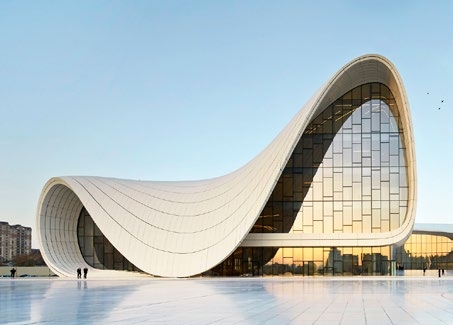
Heydar Aliyev Center
Designed by the late Zaha Hadid, this undulating white masterpiece, defined by sweeping curves and fluid forms, has become a global icon of contemporary architecture.
To walk from the cobblestones of Icherisheher to the reflective glass of the Flame Towers is to traverse a thousand years in a single journey and to understand that Azerbaijan has always been a place where worlds meet.
Cultural HeritageWoven in Time: Art, Craft & Identity
Azerbaijan’s cultural identity is rich, layered, and deeply felt. Long a crossroads on the ancient Silk Road, the country absorbed and gave back to Persian, Turkic, Arab, Russian, and Ottoman civilisations, producing a culture that is uniquely, unmistakably Azerbaijani.
-
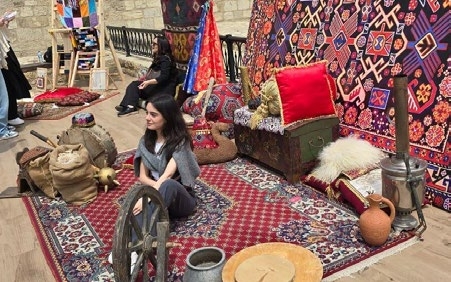
Azerbaijani Carpet Art
Recognised by UNESCO, Azerbaijani carpet weaving is one of the country’s most refined and historically significant textile traditions. Each carpet is a language; its geometric motifs encode tribal stories and centuries of history. The Azerbaijani Carpet Museum in Baku, shaped like a rolled carpet, is itself a tribute to this living art form.
-
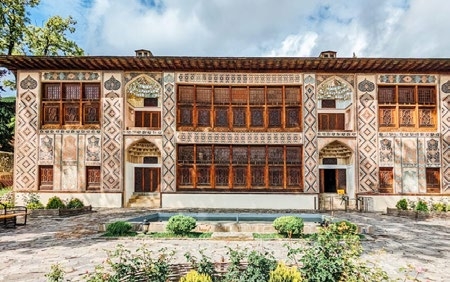
Traditional Architecture
The carved stone facades of Old Baku’s caravanserais, the distinctive ornamental brickwork of Sheki’s Khan Palace, and the centuries-old craft of copperwork in the village of Lahij speak to a civilisation that placed beauty at the centre of everyday life.
-
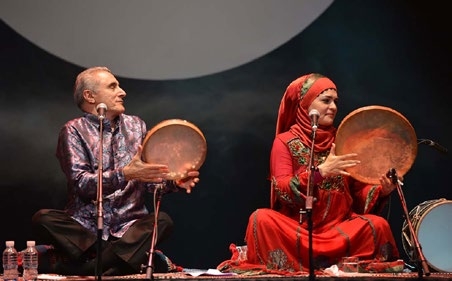
Mugham: The Soul of a Nation
Mugham, a form of classical improvisational music, is the emotional heartbeat of Azerbaijani culture. Its soaring melodic lines and poetic texts move fluidly between joy and lament. Another UNESCO treasure, Mugham is still performed in teahouses and concert halls alike.
Literature
A Legacy of Poets & Scholars

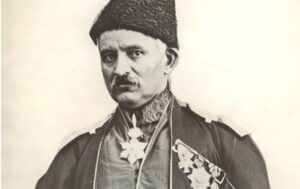
From the 12th-century poet Nizami Ganjavi, whose works have influenced literary and artistic traditions across the East and beyond, to satirist Mirza Fatali Akhundov, Azerbaijan has long nurtured a deep tradition of letters, philosophy, and intellectual life.
Natural WondersLand of Fire, Sea & Mountain
Beyond the capital, Azerbaijan reveals a geography of startling contrasts: subtropical lowlands, alpine peaks, semi-desert steppes, and a vast inland sea all within one compact territory. Nature here is never simply a backdrop; it is part of the national story.
-
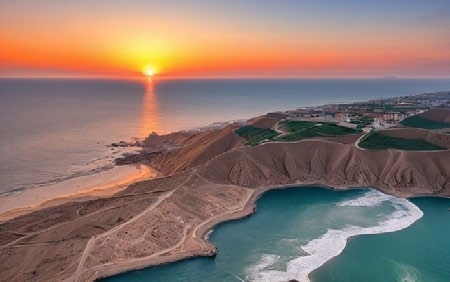
The Caspian Sea
The world’s largest landlocked body of water defines Baku’s horizon. Its shoreline promenade, the Baku Boulevard, stretches for kilometres, alive with cafés, gardens, and the gentle lapping of silver waves.
-
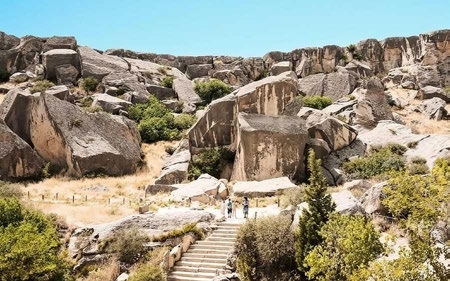
Gobustan National Park
A UNESCO site housing over 6,000 rock carvings dating back 40,000 years. Nearby, bubbling mud volcanoes, of which Azerbaijan hosts one-third of the world’s total, create an otherworldly, primordial landscape.
-
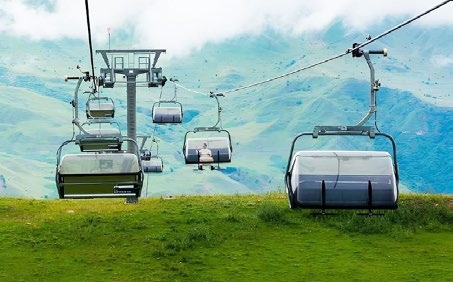
Shahdag & Gabala
The Greater Caucasus gifts Azerbaijan with dramatic highland scenery. Shahdag offers world-class skiing in winter and emerald valleys in summer, while Gabala is a gateway to pristine alpine nature.
Food & HospitalityThe Table as a Welcome
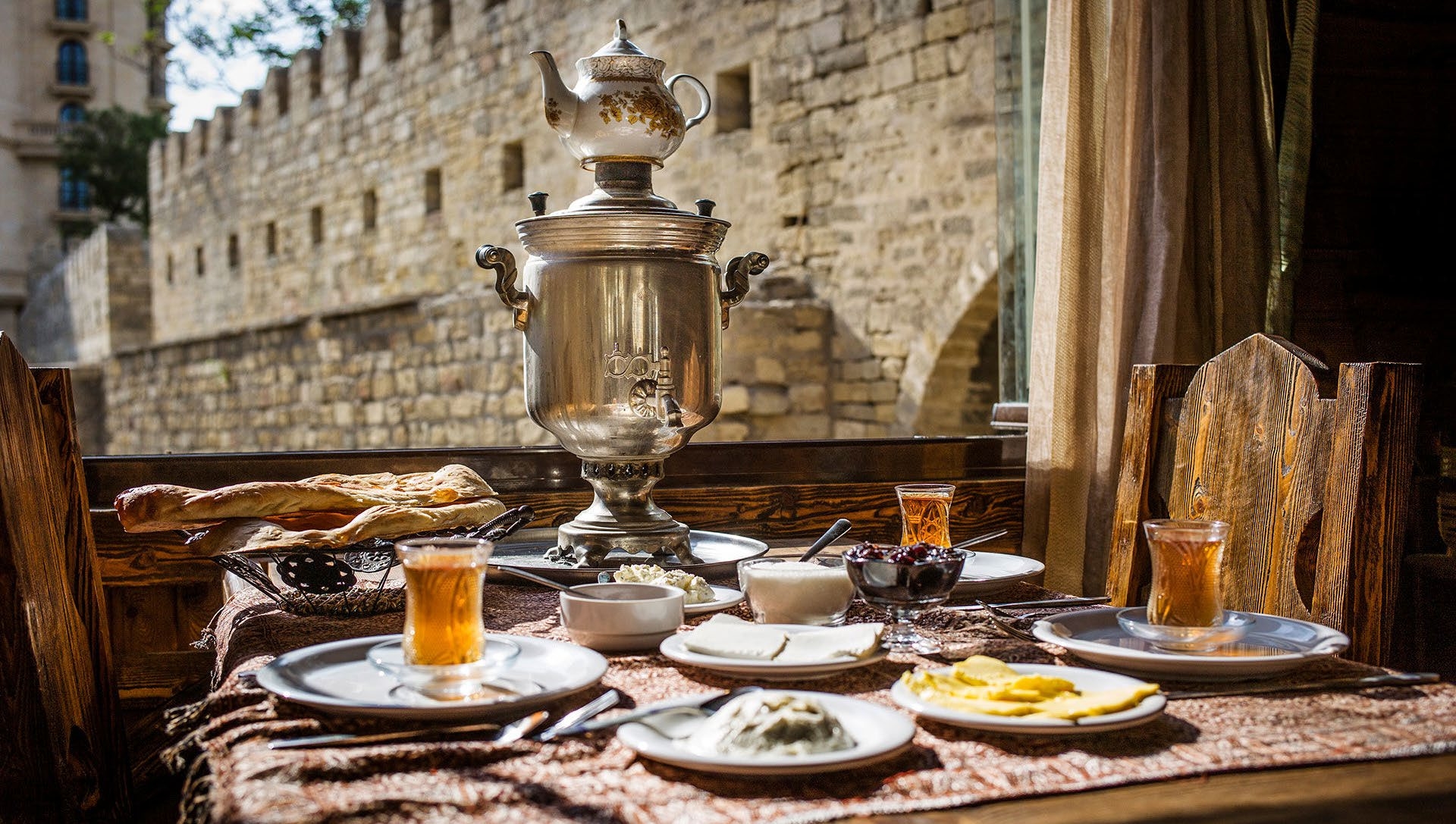
In Azerbaijan, hospitality is not a custom; it is a philosophy. A guest, the old saying goes, is sent by God. To be welcomed into an Azerbaijani home or restaurant is to be enveloped in warmth, generosity, and an abundance of flavour.
The Azerbaijani table is a testament to its geography and history. Plov, a saffron-scented rice dish adorned with dried fruits and chestnuts, is the undisputed centrepiece of the national kitchen, with over 40 regional varieties. Dolma (grape leaves stuffed with spiced lamb and herbs), dushbara (tiny hand-crafted dumplings in a rich broth), and the tangy pomegranate-based sauce narsharab all speak of a culinary tradition shaped by Persian elegance and Caucasian heartiness. A glass of strong black tea, poured into an armudu (pear-shaped) glass with sour cherry preserves on the side, is the quiet, ever-present ritual of daily life.
This harmonious blend of tradition and modernity is evident throughout Azerbaijan. While the country embraces the latest technologies and international trends, the core values of heritage and hospitality remain deeply rooted. Visitors will find a country that is proud of its past and excited about its future, offering a unique experience that lingers long after the journey ends.
In Azerbaijan, hospitality is not a custom; it is a philosophy. A guest, the old saying goes, is sent by God. To be welcomed into an Azerbaijani home or restaurant is to be enveloped in warmth, generosity, and an abundance of flavour.
Source note: Prepared with reference to publicly available sources, including UNESCO World Heritage and Intangible Cultural Heritage materials, official cultural resources, and reputable publications on Azerbaijan’s history, architecture, and cultural heritage.