Central Asia Region Snapshot

Central Asia is no longer a region defined only by geography. It is becoming a strategic corridor of growth, connectivity, resources, and reform, linking markets across Asia, Europe, and the wider OIC region.
Comprising Kazakhstan, Uzbekistan, Turkmenistan, Tajikistan, and the Kyrgyz Republic, Central Asia represents one of the most strategically significant and rapidly evolving development regions on the global map. With a combined population of more than 80 million, vast natural resources, and growing demand for infrastructure, finance, energy, trade, and private sector development, the region offers a compelling opportunity for risk-mitigated investment.
For ICIEC, Central Asia’s momentum presents a clear development opportunity. The Corporation’s engagement is anchored in its Member States in the region, namely Kazakhstan, Uzbekistan, and Turkmenistan, where its risk mitigation solutions are already supporting trade, investment, and priority development sectors. Tajikistan and the Kyrgyz Republic also form part of Central Asia’s wider development landscape, with growing potential for future engagement as regional connectivity, investment needs, and economic integration continue to advance.
Across the region, ICIEC’s role is to help convert opportunity into bankable delivery by providing Shariah-compliant insurance and reinsurance solutions that support trade, investment, and capital mobilisation. Through instruments such as Non-Honouring of Sovereign Financial Obligations, Bank Master Policies, Non-Honouring of Financial Obligations by State-Owned Enterprises, NonHonouring of Sovereign Obligations, Political Risk Insurance, and Reinsurance arrangements, ICIEC helps bridge the gap between ambition and execution, enabling complex projects and trade flows to move from concept to implementation.
ICIEC’s Global Context: Where Central Asia Fits
To understand the significance of ICIEC’s Central Asia engagement, it is useful to situate the region within the Corporation’s wider global portfolio.
Since inception, ICIEC has insured USD 138.9 billion in business globally, comprising USD 31.1 billion in investment support and USD 107.8 billion in trade facilitation. Asia represents the largest share of ICIEC’s portfolio, with USD 68.4 billion in cumulative business insured, followed by Africa at USD 44.0 billion, Europe at USD 20.5 billion, the Americas at USD 5.2 billion, and Oceania at USD 0.8 billion.
Within this global footprint, Central Asia represents an important and growing part of ICIEC’s Asian portfolio, supported by the region’s strategic location, expanding trade corridors, and rising demand for investment, infrastructure, and private sector development.
| Region | Share | Total |
|---|---|---|
| Asia | USD 68.4 Bn | |
| Africa | USD 44.0 Bn | |
| Europe | USD 20.5 Bn | |
| Americas | USD 5.2 Bn | |
| Oceania | USD 0.8 Bn |
ICIEC’s Central Asia Portfolio & Regional Footprint
ICIEC’s Central Asia portfolio is concentrated in Kazakhstan, Uzbekistan, and Turkmenistan, which together account for approximately USD 14.8 billion in cumulative business insured. This reflects the Corporation’s role in supporting development finance across energy, mining, agriculture, transport, financial inclusion, and strategic imports.
- 3ICIEC Member States in Central Asia
- 10+Active transactions across Kazakhstan, Uzbekistan, and Turkmenistan, 2022–2025
- USD 14.8 Bn+Combined cumulative business insured across Kazakhstan, Uzbekistan, and Turkmenistan
- 12Agreements & MoUs related to Central Asia and regional cooperation platforms, 2022–2025
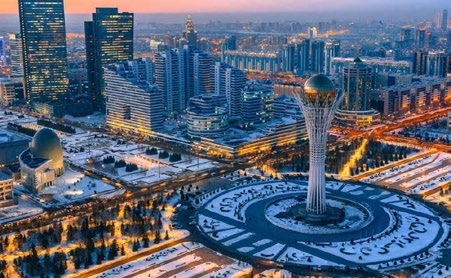
The section below offers a snapshot of ICIEC’s regional presence in Central Asia, showing the scale of cumulative business insured and the main sectors of engagement across Kazakhstan, Uzbekistan, and Turkmenistan.
 Kazakhstan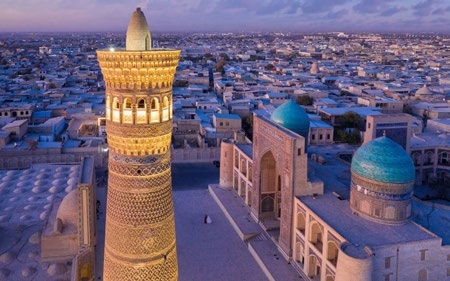
 Uzbekistan
 Turkmenistan
Across Central Asia, ICIEC’s support has focused on turning development potential into bankable opportunities. The snapshot below highlights selected transactions, institutional partnerships, and key areas of engagement across the region.
Major Transactions & Sectoral Interventions
The period from 2022 to 2025 marked a decisive phase in ICIEC’s Central Asian engagement. Across major transactions in Uzbekistan, Kazakhstan, and Turkmenistan, the Corporation supported more than USD 11.7 billion equivalent in aggregate insurance coverage, helping mobilise financing from commercial banks, export credit agencies, and international financial institutions.
These interventions span Islamic finance and SME development, essential imports, energy infrastructure, mining, agricultural modernisation, public transport, and intra-OIC export facilitation. Each transaction is linked to national development priorities and demonstrates how ICIEC’s Shariah-compliant insurance and reinsurance solutions help convert complex opportunities into bankable delivery.
Through its risk mitigation solutions, ICIEC bridges the gap between opportunity and financing, helping projects move from ambition to implementation.
The full transaction register for the period is set out below, with each entry capturing the instrument deployed, the financing value, the counterparties, and the development rationale. Taken together, they constitute compelling evidence base for ICIEC’s catalytic role across the region.
Uzbekistan
NHSFO-SOE Policy, Agrobank Murabaha facility (SCB/SMBC); 7-year tenor, 95% cover. Islamic finance for SMEs & retail via digital platforms ‘OPEN’ and ‘B2B Marketplace’; supports financial inclusion and Uzbekistan’s market transition strategy.
Uzbekistan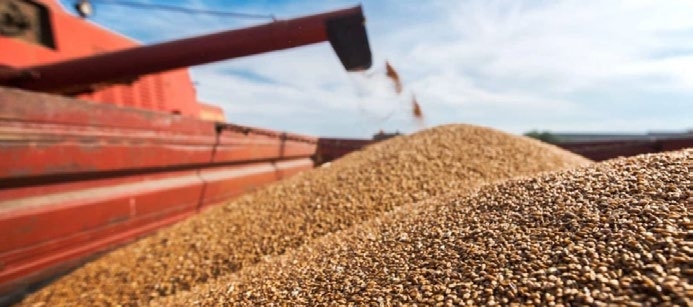
Bank Master Policy (BMP-UK-00005), Mopane Securities PLC; 3-year, 95% cover. Import of capital equipment, medicine, wheat, and edible oil for Aloqabank clients strengthens essential supply chains and economic stability.
Uzbekistan
Bank Master Policy, Frontera Capital Group; SME liquidity facility to JSC Aloqabank. Provides much-needed liquidity for SME expansion, innovation, and sustainable economic development in Uzbekistan.
Uzbekistan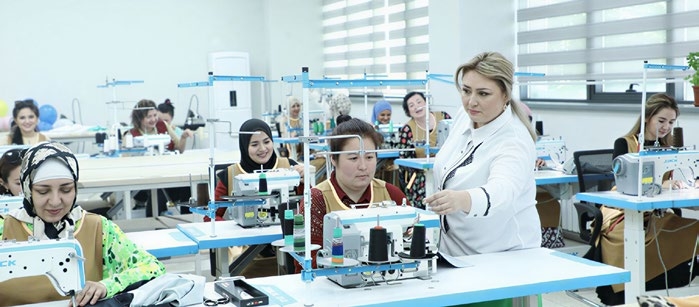
Bank Master Policy, Credit Europe Bank line to JSCB Microcredit Bank; 3-year, 90% cover. Uzbekistan SME Assistance Programme: supports job creation, export growth, and economic diversification across multiple sectors.
Kazakhstan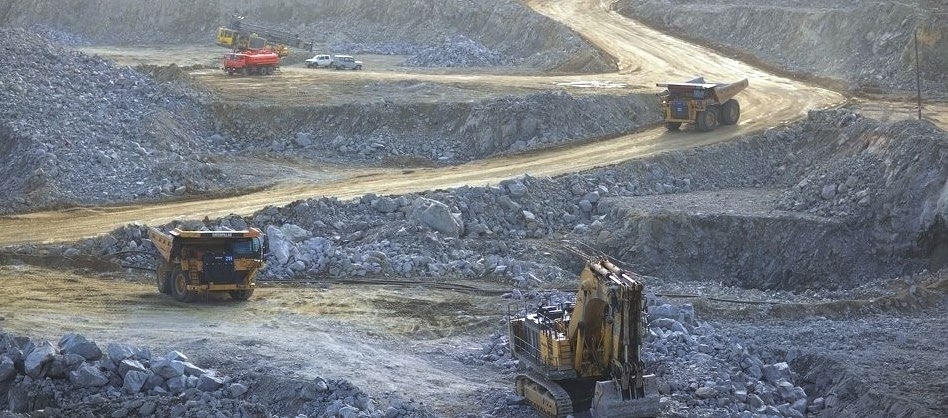
Insurance cover for Eurasian Machinery (EMBV, Netherlands), import of Hitachi excavators and dump trucks to Kachary Ruda iron ore mine, Rudny. Supports Kazakhstan’s strategic mining sector under the ‘import of capital goods from non-member states’ scheme; ICIEC–EMBV cooperation since 2014.
Kazakhstan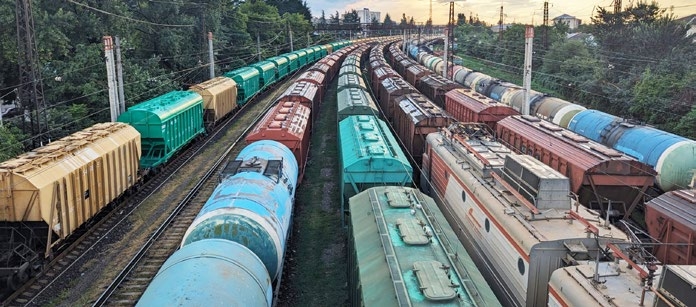
Reinsurance support to KazakhExport JSC, financial leasing of diesel TE33A locomotives to Azerbaijan Railways. Flagship example of intra-OIC trade facilitation.
Uzbekistan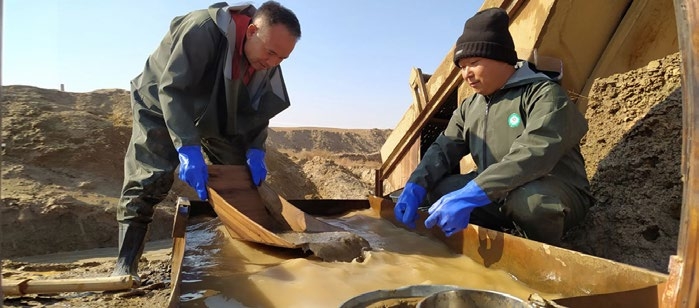
NHFO-SOE cover, ICBC Standard Bank facility to Navoi Mining and Metallurgical Company (NMMC); supports NMMC capital expenditure programme, gold mining capacity, export earnings, and fiscal resilience amid global economic volatility.
Uzbekistan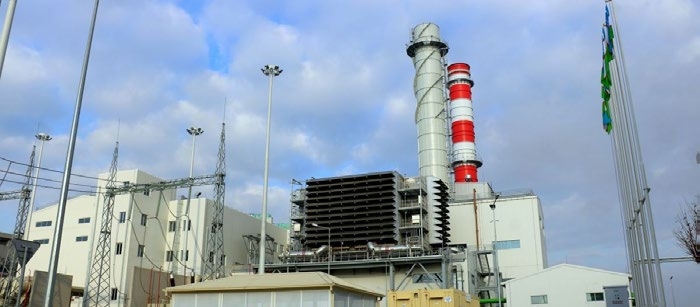
Political Risk Insurance, USD 40 mn equity + USD 20 mn revenues for Hidro Enerji A.S. 174 MW combined cycle power plant, Khorezm region. Covers expropriation, breach of contract, and transfer restrictions; enhances energy security and industrial capacity.
Turkmenistan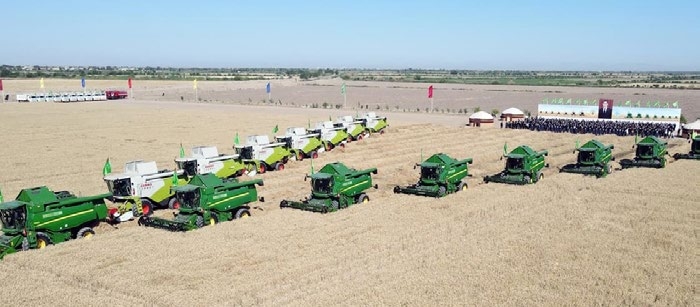
NHSO cover, ING Bank Tokyo Branch facility to State Bank for Foreign Economic Affairs (TFEB); procurement of Komatsu agricultural machinery. Improves irrigation efficiency, food security, and rural productivity; supports water sustainability and climate resilience.
Turkmenistan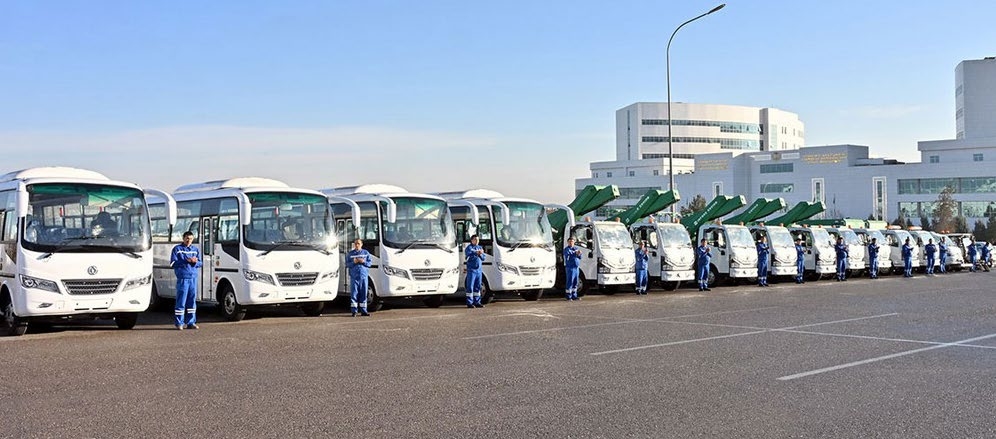
NHSO cover, ING Bank Tokyo Branch / Sumitomo Corporation; procurement of Toyota buses, taxis, and minibuses. Modernises public transport fleet in Ashgabat and nationwide; enhances social mobility, urban connectivity, and transit corridor development.
Across these transactions, several themes stand out. In Uzbekistan, ICIEC has supported financial inclusion, Islamic finance, SME development, energy security, and mining sector competitiveness. The €194.84 million Agrobank facility represents the largest single Central Asia transaction in the period and a landmark in expanding Shariah-compliant financing for SMEs and retail customers.
In Kazakhstan, the Corporation has supported both industrial productivity and export activity, including mining equipment imports for Kachary Ruda and reinsurance support for KazakhExport’s locomotive export transaction, which completed its full 10-year lifetime cover following the 2023 renewal. In Turkmenistan, sovereign cover instruments have helped unlock critical imports of agricultural machinery and public transport vehicles, contributing to food security, rural productivity, and mobility.
Every transaction in this register is aligned with one or more of the United Nations Sustainable Development Goals, from SDG 1 (No Poverty) and SDG 2 (Zero Hunger) to SDG 8 (Decent Work and Economic Growth), SDG 9 (Industry, Innovation and Infrastructure), and SDG 13 (Climate Action), underscoring ICIEC’s commitment to delivering development outcomes alongside financial returns.
Strategic Alliances & Institutional Partnerships
ICIEC’s transactional reach in Central Asia is reinforced by a growing network of institutional partnerships. Since 2014, the Corporation has concluded agreements and memorandum of understanding with counterparts in Kazakhstan, Uzbekistan, and Central Asia-focused regional platforms, covering export credit agencies, investment promotion authorities, state financial institutions, food security institutions, and bilateral export finance partners.
These partnerships play a practical role in strengthening ICIEC’s regional engagement. They expand underwriting capacity, improve market intelligence, support transaction origination, and build confidence among governments, financiers, and private investors. Together, they help create the institutional foundation needed to transform regional opportunities into bankable projects.
KazakhstanKazakhExport, Export Credit Agency of Kazakhstan
Promote cooperation and expand insurance capacity for KazakhExports, including facultative reinsurance and wider support for export credit insurance cooperation with ICIEC.
 Uzbekistan
Uzbekinvest, Uzbekistan National Export-Import Insurance Company
Expand insurance capacity of both institutions; supports larger trade transactions and development projects.
 Uzbekistan
Invest Uzbekistan, Investment Promotion Agency under the Ministry of Investment, Industry and Trade of the Republic of Uzbekistan (formerly UzIPA)
Cooperate in attracting FDI; promote ICIEC risk-mitigation tools to foreign investors; joint visits, workshops, and capacity building.
 Uzbekistan
Uzbekinvest, National Export-Import Insurance Company & Uzbekinvest International Insurance Company Ltd (UK)
Further expand insurance capacity and support Uzbekistan’s export and investment ecosystem.

IOFS, Islamic Organisation for Food Security
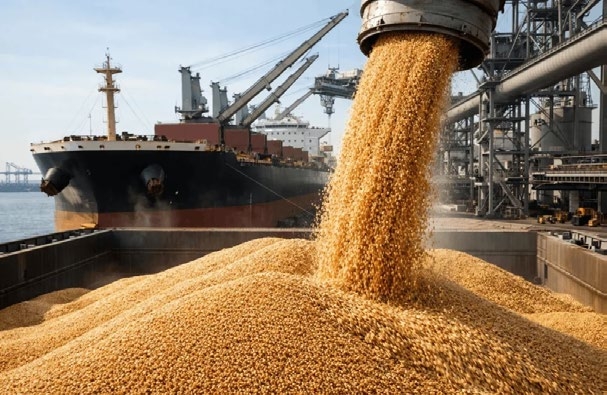
Signed at the 46th IsDB Annual Meeting, Tashkent. Enhance agri-food trade and investment; IOFS to advise on export credit insurance for wheat and food exports from Central Asia to OIC member states.
 Uzbekistan
Uzbekinvest, National Export-Import Insurance Company
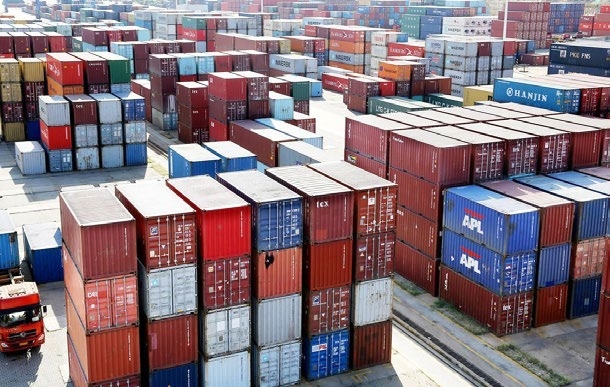
Provides reinsurance services for exports of goods and services from Uzbekistan worldwide; enhances Uzbekinvest’s underwriting capacity and promotes Uzbek export growth.
 Uzbekistan
UzSAMA, State Assets Management Agency of the Republic of Uzbekistan
Collaborate on privatisation expertise exchange, including the banking sector; attract investors for privatised state assets; advance trade and investment facilitation.
 Uzbekistan
MKBANK, MicroCreditBank
Support trade, exports, and SME financing; develop joint trade and investment initiatives; enhance private sector access to finance.
 Kazakhstan
KazakhExport, Quota Share Treaty Renewal (2024–2026)
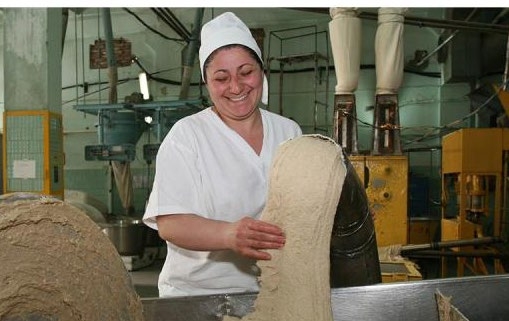
Renewed reinsurance coverage for KazakhExport’s Documentary Credit Insurance Policy (DCIP); expands underwriting capacity for trade-finance risks; supports SMEs and non-oil export diversification under Baiterek National Investment Holding.
JBIC, Japan Bank for International Cooperation
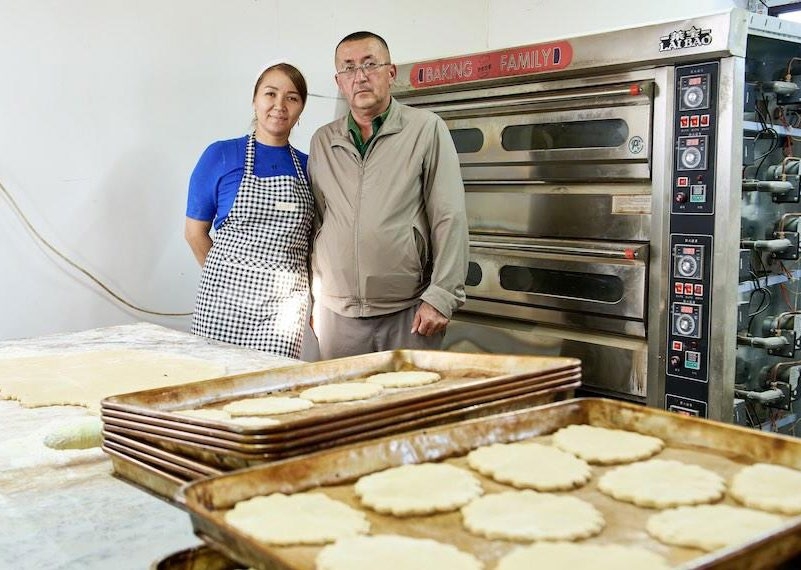
Signed at the ‘Central Asia and Japan’ forum, Astana. Strengthen cooperation in environmental preservation and green projects across all five Central Asian republics.

NEXI, Nippon Export and Investment Insurance
Amended strategic alliance specifically includes Turkmenistan; extends bilateral cooperation to boost exports and FDI across Central Asia.
Credendo, Belgian Export Credit Agency
Expand risk-sharing capacity for trade transactions in OIC markets, explicitly including Central Asia; enhances reinsurance capacity and broadens market coverage for regional exporters.
Several partnerships merit particular attention. The 2024–2026 Quota-Share Treaty renewal with KazakhExport, built on a decade of cooperation since the original 2014 MoU, directly supports Kazakhstan’s non-oil export diversification agenda under the Baiterek National Investment Holding, channelling reinsurance capacity into the Documentary Credit Insurance Policy that underpins SME trade finance across the country.
The 2024 agreement with the Japan Bank for International Cooperation (JBIC), signed in Astana on the sidelines of the ‘Central Asia + Japan’ forum, establishes a green project cooperation framework spanning all five republics, a forward-looking platform for climate-aligned financing across the sub-region.
The 2025 amendments to the NEXI agreement (now explicitly including Turkmenistan) and the new Credendo partnership reflect a conscious strategy to internationalise ICIEC’s risk-sharing infrastructure, drawing European and Japanese export credit institutions into a collaborative framework that amplifies the financing available to Central Asian Member States.
In Uzbekistan, the depth of partnership is particularly notable: MoUs with Uzbekinvest, Invest Uzbekistan, (formerly UzIPA, Uzbekistan Investment Promotion Agency), UzSAMA, and MicroCreditBank, complemented by the 2023 Master Facultative Reinsurance Agreement, have created a multi-layered ecosystem in which ICIEC’s tools are embedded across investment promotion, privatisation, SME finance, and export credit. This ecosystem approach is increasingly the template for ICIEC’s engagement across the wider region.
Looking Ahead: A Region Defined by Shared Opportunity
Central Asia’s development story is gaining momentum. While its five republics differ in economic structure, reform pace, and investment readiness, they share a common ambition to build more diversified, resilient, and sustainable economies that are better connected to regional and global markets.
This ambition is already visible across the region. Kazakhstan’s mining, energy, and export activity continues to support its role as a major regional economy. Turkmenistan’s priorities in agriculture, machinery, and transport modernisation point to the importance of strengthening productive capacity and essential services.
Uzbekistan’s growing focus on SME finance platforms, energy, infrastructure, and industrial development reflects a broader reform agenda aimed at mobilising investment and expanding private sector participation. Looking ahead, Tajikistan and the Kyrgyz Republic also present important potential as connectivity, trade facilitation, and investment readiness continue to evolve.
Across these markets, ICIEC’s role is to help turn regional ambition into bankable delivery. Through Shariah-compliant risk mitigation and strategic partnerships, the Corporation supports transactions that strengthen trade, mobilise capital, and give lenders and investors the confidence to participate in priority sectors. As Central Asia becomes increasingly important to global trade and development corridors, ICIEC remains committed to supporting projects that advance resilience, connectivity, and sustainable growth across the region.