Ms. Desislava Radeva

EXECUTIVE DIRECTOR, DEVELOPMENT & AGENCY FINANCE, STANDARD CHARTERED BANK
In Central Asia, the gap between ambition and investment often comes down to one thing: risk. In this conversation, Ms. Desislava Radeva of Standard Chartered Bank explains how partnership with ICIEC is closing that gap, turning complex, capital-intensive projects into bankable opportunities, drawing international capital into Uzbekistan’s industrial base, and widening access to finance for the SMEs that drive inclusive growth. Her message is clear: where risk is well managed and partners align, the region’s potential becomes investable.
Standard Chartered Bank has partnered with ICIEC on important transactions in Central Asia, including the Agrobank and Uzbek Steel deals. How do you assess the value of this cooperation in supporting strategic financing in the region?
Our cooperation with ICIEC has proved highly valuable in enabling strategic, development focused financing in Central Asia, particularly in Uzbekistan, where access to long term capital and effective risk mitigation are of high importance.
In the Agrobank transaction, ICIEC’s support was instrumental in mobilising EUR 160.4 million of Islamic financing to expand access to Shariah-compliant funding for retail customers and SMEs across Uzbekistan. By combining Standard Chartered’s structuring and arranging expertise with ICIEC’s insurance support, the transaction helped unlock financing for sectors that are central to economic growth, financial inclusion and job creation, while also introducing a first-of-its-kind Murabaha structure for the market.
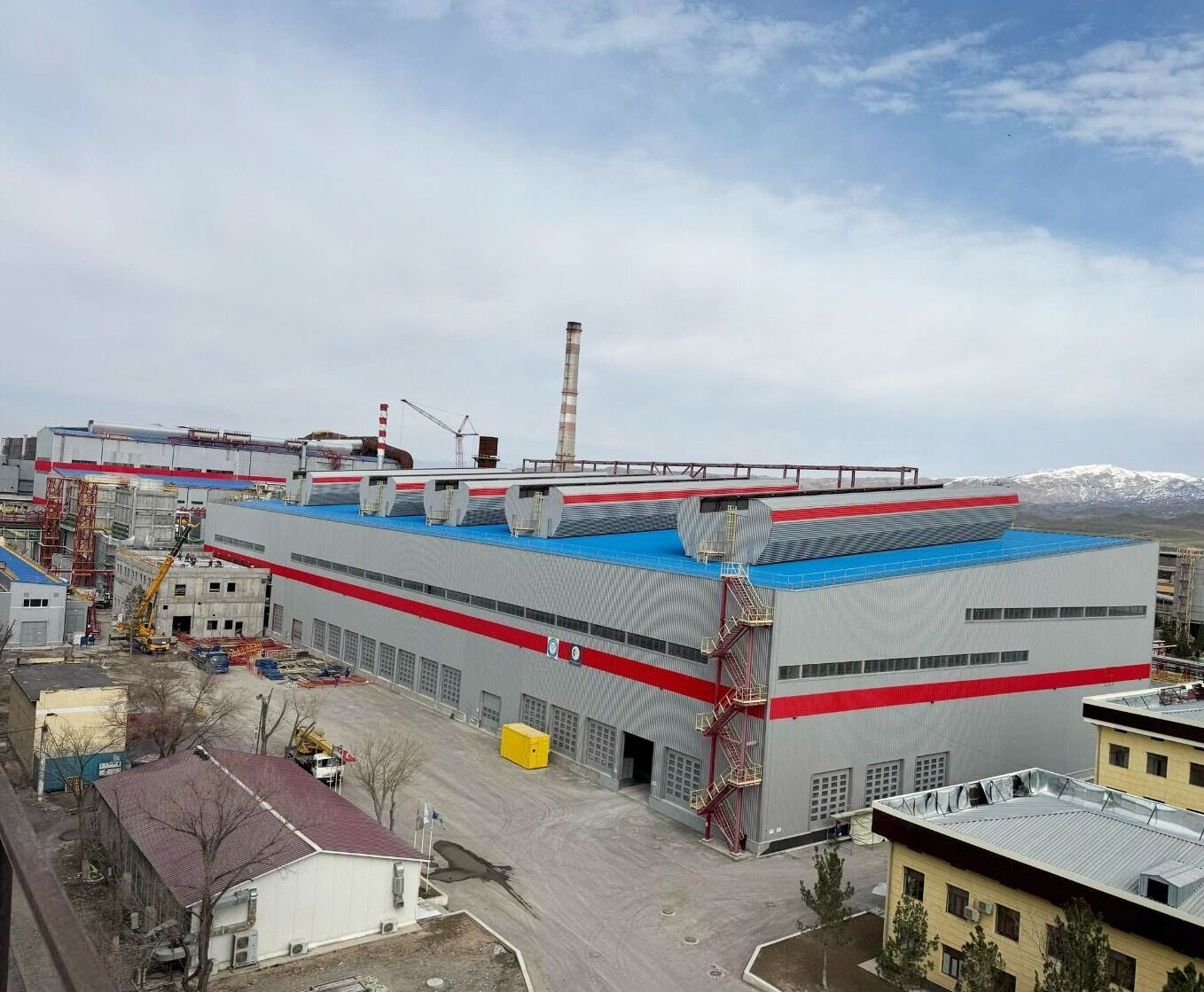
Similarly, in the Uzbek Steel (Uzmetkombinat) financing, our partnership with ICIEC enabled a EUR 132.5 million facility to support the completion of Uzbekistan’s new Casting and Rolling Complex in Bekabad. With ICIEC providing risk mitigation, the financing supports a strategic industrial project that reduces reliance on imports, strengthens domestic supply chains and underpins long term industrial resilience and employment in the region.
Together, these transactions demonstrate the tangible value of our collaboration with ICIEC: combining complementary strengths to de-risk complex financings, attract international capital and support projects that deliver lasting economic and social impact. This partnership plays an important role in supporting Central Asia’s development priorities and provides a strong foundation for continued collaboration in the region.
From your perspective, how did ICIEC’s risk mitigation solutions contribute to the successful structuring and execution of the Agrobank and Uzbek Steel transactions?
ICIEC’s risk mitigation solutions were central to both the structuring and successful execution of the Agrobank and
In the Uzbek Steel (Uzmetkombinat) financing, our partnership with ICIEC enabled a EUR 132.5 million facility to support the completion of Uzbekistan’s new Casting and Rolling Complex in Bekabad. With ICIEC providing risk mitigation, the financing supports a strategic industrial project that reduces reliance on imports, strengthens domestic supply chains and underpins long term industrial resilience and employment in the region.
Uzbek Steel transactions, particularly in a market where long Tenor financing and investor confidence are essential.
In the Agrobank financing, ICIEC’s support provided the credit enhancement needed to mobilise Islamic financing into Uzbekistan. By mitigating political and credit risk, ICIEC enabled Standard Chartered to structure a Murabaha facility for the market with confidence. This risk cover was critical in allowing funding to be channelled at scale into retail and SME segments, supporting financial inclusion and economic growth while ensuring the transaction remained commercially viable and robust for all participants.
For the Uzbek Steel (Uzmetkombinat) transaction, ICIEC’s provision of insurance support again played a pivotal role. The facility benefited from ICIEC’s sovereign-backed risk mitigation, which helped unlock long term financing for a strategic industrial project vital to Uzbekistan’s economic development. By reducing investment risk, ICIEC enabled the financing of a complex, capital-intensive project that strengthens domestic steel production, improves supply chain resilience and delivers meaningful social and economic impact at a national level.
Across both deals, ICIEC’s risk mitigation solutions acted as a catalyst, de-risking transactions, broadening investor participation and enabling innovative financing structures that might otherwise have been challenging to deliver. This partnership allows Standard Chartered to support clients and sovereign priorities with confidence, while ensuring that critical projects in Central Asia can access sustainable, long term capital aligned with development goals.
What do these transactions reveal about the financing needs and investment potential of priority sectors in Central Asia, particularly in relation to industrial development and private sector growth?
These transactions underline that priority sectors in Central Asia combine strong growth potential with a clear need for structured, long term financing that supports economic development in a sustainable and resilient way.
The Uzbek Steel financing highlights the scale of investment required to modernise and expand industrial capacity in the region. Heavy industry remains central to economic growth, job creation and supply chain resilience, yet projects of this nature are capital-intensive and require long tenors, robust structuring and effective risk mitigation to be bankable. The transaction demonstrates that there is significant appetite to invest in strategic industrial assets when financing solutions are aligned with national development priorities and designed to support more efficient, locally anchored production.
At the same time, the Agrobank transaction illustrates the depth of opportunity within the private sector, particularly among SMEs and retail customers. Expanding access to financing for these segments is critical to unlocking inclusive growth and entrepreneurship across Central Asia. The demand for scalable, Shariah-compliant solutions also reflects the evolving sophistication of financial markets and a growing willingness to adopt innovative financing structures to meet local needs.
These deals show that Central Asia’s priority sectors require capital that goes beyond short term funding, combining commercial discipline with development impact. Industrial development, private sector growth and sustainability objectives are increasingly interconnected: modern industry requires investment in efficiency and resilience, while SMEs need reliable access to finance to participate in and benefit from broader economic transformation.
Crucially, the transactions also demonstrate that investment potential is strong when risks are appropriately managed and public-private collaboration is effectively mobilised. With the right frameworks, risk mitigation tools and international expertise, Central Asia can continue to attract private capital into sectors that support diversification, productivity and long term prosperity.
How can partnerships between international banks and multilateral risk mitigation institutions such as ICIEC help unlock more bankable opportunities and attract greater cross-border financing into the region?
Partnerships between international banks and multilateral risk mitigation institutions such as ICIEC play a critical role in transforming opportunity into investable, bankable transactions across Central Asia.
These partnerships help address fundamental risk constraints that often limit cross-border financing into emerging markets. Institutions like ICIEC provide the credit enhancement needed to reduce perceived and actual risks. This allows international banks to structure longer-tenor financings, mobilise larger pools of capital and bring a broader range of lenders and investors into transactions that might otherwise struggle to reach financial close.
Close collaboration also supports the development of bankable structures for complex projects. Multilateral partners bring local and regional insight, while international banks contribute structuring expertise, distribution capability and sector knowledge. Together, this enables financing solutions that are aligned with national development priorities, robust from a risk and credit perspective, and attractive to international capital markets.
In regions like Central Asia, where growth ambitions are strong and financing needs are evolving, partnerships of this nature provide a scalable model for attracting international investment while supporting orderly and sustainable development.
Looking ahead, what role do you see for Standard Chartered Bank in further supporting sustainable trade, investment, and economic development across Central Asia through similar partnerships and structures?
We see Standard Chartered playing an active role in mobilising sustainable trade and investment across Central Asia, building on the same partnership-led approach demonstrated in transactions such as Agrobank and Uzbek Steel.
These partnerships allow us to blend international banking expertise with risk mitigation and development alignment, creating bankable structures for projects that support economic diversification, local value creation and long term competitiveness. As demonstrated in recent transactions, this approach can unlock repeat investment and help deepen financial markets over time.
We also expect to play an increasing role in transition and sustainable finance, particularly as industrial and infrastructure investment in the region evolves. Sectors critical to economic growth, such as manufacturing, transport and trade-linked industries, require capital to improve efficiency, resilience and sustainability. By applying disciplined risk management and robust sustainability frameworks, we can help clients access financing that supports both near-term growth and longer-term transition objectives.
Ultimately, our ambition is to act as a long-term partner to the region, using partnerships, innovative structures and our cross-border capabilities to help attract private capital, support sustainable trade flows and contribute to inclusive economic development across Central Asia. Through continued collaboration with multilaterals, governments and clients, we believe this model can be scaled to support the region’s next phase of growth.
By applying disciplined risk management and robust sustainability frameworks, we can help clients access financing that supports both near-term growth and longer-term transition objectives.