MEMBER COUNTRY PROFILE SURINAME

Economic Outcomes are Steadily Improving due to an Impressive Range of Reforms and Commitment to Sound Public Finances and Inclusivity

Strategic Demography and Natural Resource Strength
Suriname, located on the northeastern coast of South America, is characterized by its ethno-culturally diverse population of approximately 600,000 people. The capital city, Paramaribo, serves as the political, economic, and cultural center of the country. The nation boasts a rich mix of ethnic groups, primarily Indo-Surinamese, Afro-Surinamese, Maroons, Javanese, and Amerindians, fostering a unique cultural tapestry that influences its social dynamics.
Natural resources are a cornerstone of Suriname’s economy, with significant deposits of bauxite (aluminum ore), gold, oil, and timber. The country is one of the largest producers of bauxite globally, and gold mining has become pivotal over recent years, contributing substantially to GDP. The abundance of tropical rainforests harbors a wealth of biodiversity, serving as both a natural asset and a potential challenge regarding conservation efforts and sustainable resource management. Water resources from the Amazon basin also highlight Suriname’s strategic geographical importance.
Government’s Economic Reform Agenda
President H.E. Mr. Chandrikapersad Santokhi’s administration is spearheading an ambitious economic reform agenda designed to restore fiscal and debt sustainability. The government’s plan emphasizes fiscal consolidation and debt restructuring aimed at reducing the national deficit while ensuring that vulnerable populations are protected through expanded social protection programs. The urgency for these reforms stems from the underlying economic challenges, exacerbated by the COVID-19 pandemic and declining commodity prices.
Key to these reforms is the establishment of a transparent fiscal framework that allows for better budget management and efficiency. The government has implemented measures to enhance governance and accountability in public finance management, ensuring that fiscal policy effectively supports sustainable growth. These reforms will be crucial in creating a stable economic environment that encourages domestic and foreign investment.
Suriname’s Debt Strategy and IMF Support
In alignment with its economic reform agenda, Suriname has initiated a comprehensive debt strategy to manage its burgeoning financial obligations. The international community, particularly the International Monetary Fund (IMF), has responded positively to Suriname’s requests for assistance.
In December 2021, the IMF approved the Extended Fund Facility (EFF) arrangement for Suriname, in an amount of equivalent to SDR472.8 million, aimed at providing financial support during this challenging economic transition.
With the currently disbursed amount of SDR337.1 million, the EFF program significantly contributed to enhanced fiscal policies leading to stabilizing the economy while simultaneously addressing social needs. One critical aspect of this strategy involved prioritizing strategic investments while managing deficits to restore confidence among stakeholders.
By engaging in these reforms supported by international financial institutions, such as the Islamic Development Bank (IsDB), Inter-American Development Bank, World Bank and others, the government is successfully navigating the challenging waters of public debt while laying a robust foundation for economic recovery.
SURINAME Key Economic and Institutional Indicators
| Country Name | Republic of Suriname |
|---|---|
| Population | 0.647 million |
| Real GDP Growth (% Change) | 2024 – 3.0% (projection), 2023 – 2.1% (estimate) |
| Inflation (Consumer Prices % Change) | 2024 – 20.7% (projection), 2023 – 51.6% (estimate) |
| Unemployment Rate | 2023 – 10.6% (estimate), 2024 – 10.3% (projection) |
| Exports Goods and Services (f.o.b.) | 2023 – USD2,534 million (estimate), 2024 – USD2,742 million (projection) |
| Imports of Goods and Services (f.o.b.) | 2023 – USD2,218 million (estimate), 2024 – USD2,339 million (projection) |
| Central Government Debt (% of GDP) | 2023 – 92.9% (estimate), 2024 – 87.9% (projection) |
| Special Drawing Rights (SDR) | 105.68 million |
| Quota (SDR: 128.9 million) | 128.9 million |
| Outstanding Purchases and Loans (SDR) | 290.4 million (June 30, 2024) |
| Number of Arrangements since Membership | 2 |
| Date of IMF Membership | 27 April 1978 |
| Date of IsDB Membership | December 1997 (as 52nd member state) |
| Subscribed Capital in IsDB | ID9.23 million (0.02% of total IsDB Capital) |
| Number of IsDB Group Projects Allocated | 36, of which 27 completed and 9 are active |
| Total volume of IsDB Group Funding to date | USD264 million |
| Date of ICIEC Membership | 21 January 2019 |
| Number of Islamic Banks | 1 – Trust Amanah Bank (2018) |
Source: Compiled by Mushtak Parker from IMF, IsDB and ICIEC data and disclosures
Date: September 2024
Suriname: Gross Financing Needs and Public Debt
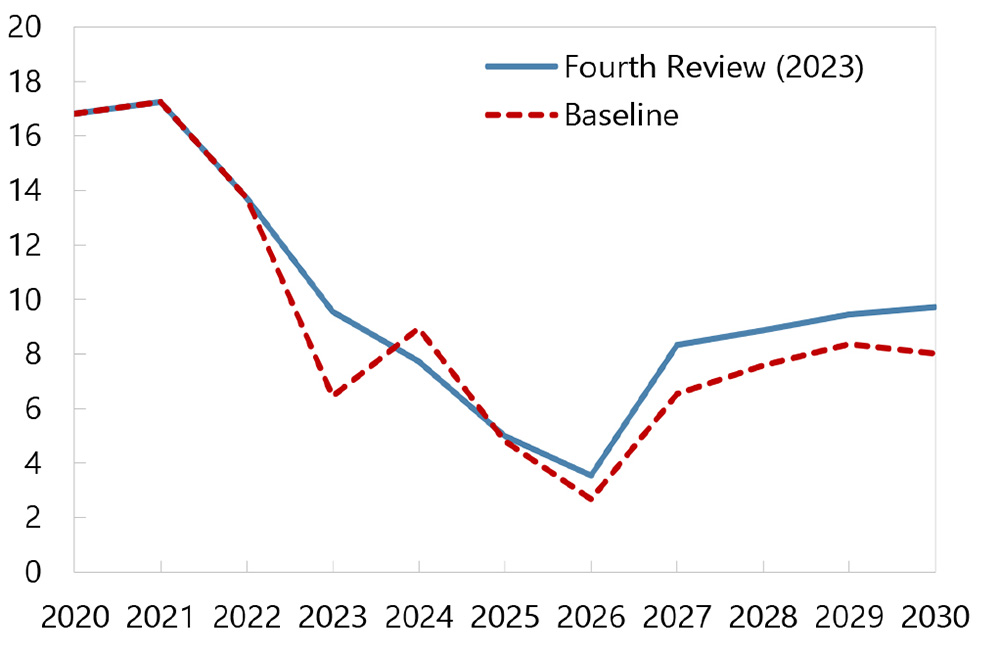
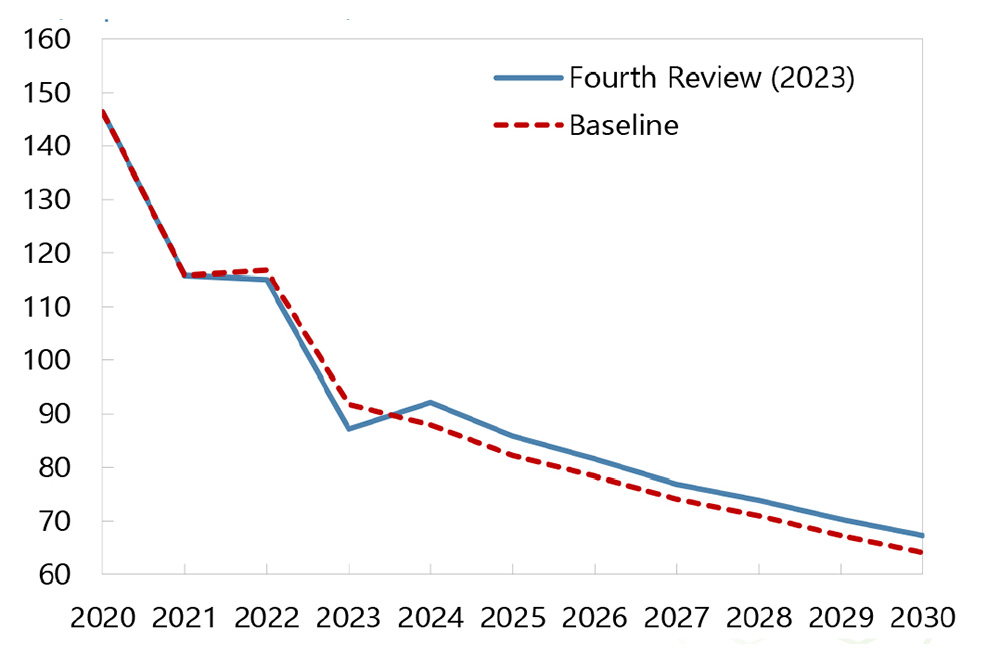 Sources: CBvS, Ministry of Finance, and IMF staff estimates.
Note: Gross financing needs do not include instruments used for the recapitalization of the CBvS.
Economic Agenda in the Context of Climate and Sustainable Development
Suriname is one of few countries in the world having negative carbon emissions primarily thanks to its extensive forest cover. Over 90 percent of Suriname’s land is covered by tropical rainforests of the Amazon Basin, which absorb CO2 from the atmosphere.
Suriname’s economic agenda is increasingly influenced by global priorities around climate change and sustainable development. In addition, Suriname has a relatively small population and limited sources of carbon emissions from transportation, energy production and manufacturing. Nevertheless, the government recognizes that the economy’s future lies in balancing growth with environmental sustainability.
Suriname’s wealth of natural resources can be harnessed to contribute to sustainable practices, especially with its significant forest cover that plays a vital role in carbon sequestration.
Significant efforts are underway to integrate climate considerations into national planning. The government is focusing on sustainable agriculture, eco-tourism, and renewable energy sources while committing to enhance the resilience of its infrastructure against climate-related risks.
Strategic partnerships with international organizations aim to facilitate knowledge transfer and investment in sustainable technologies, ensuring that the economic agenda aligns with the UN Sustainable Development Goals (SDGs).
However, challenges persist. Suriname faces immediate threats from deforestation, mining activities, and the ongoing impacts of climate change, such as rising sea levels, floods and extreme weather events. Balancing economic activities with environmental protection requires careful management and active engagement with local communities.
Cooperation with IsDB Group
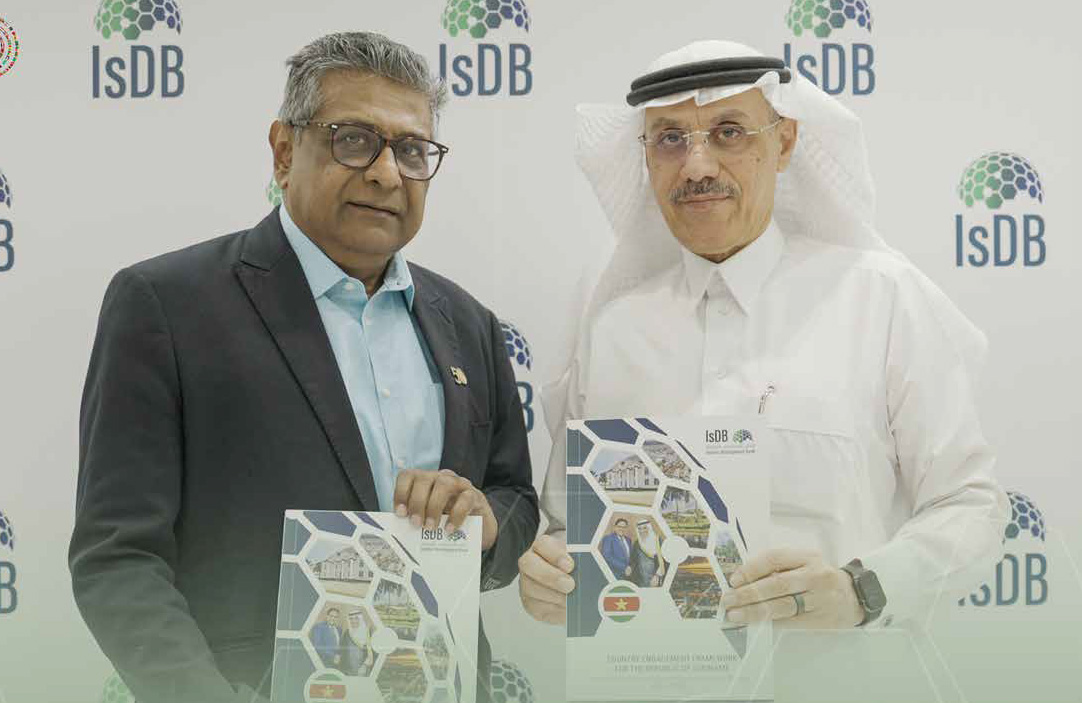
Suriname has demonstrated a proactive approach in fostering cooperation with the IsDB Group. The Group launched the new Country Engagement Framework (CEF) for the Republic of Suriname (2024-2026) on 1st May 2024 in Riyadh on the sidelines of the 2024 IsDB Group’s Annual Meetings and the Bank’s 50th Anniversary Golden Jubilee.
Going forward, the IsDB Group will focus on two main pillars of engagement during 2024-2026: (i) Igniting Growth and Diversification will support three sectors: energy, agro-industry, and water and sanitation, and (ii) Building Human Capital for the Future will support complementary human development by focusing on health, education, and affordable housing.
Cross-cutting CEF pillars will include Islamic finance sector development and small and medium-sized enterprise (SME) support, climate change, women and youth empowerment, and capacity development.
As part of implementation of the Suriname CEF, and as a significant recent development in this partnership IsDB approved a financing for the “Expansion of Transmission and Distribution Systems” project, amounting to more than USD105.7 million, of which IsDB contributed USD47.7 million, with the participation and co-financing by the Saudi Fund for Development (SFD) and OPEC Fund for International Development (OFID).
This project is essential not only for improving energy infrastructure but also for supporting economic recovery by providing reliable electricity to both urban and rural areas. Improved energy access is critical for local businesses and overall economic activity.
Potential for Future Cooperation with IsDB Group/ ICIEC
Suriname is a member of all other IsDB Group Entities, including ICIEC joining in January 2019. The future potential for cooperation between Suriname and ICIEC holds promise, particularly in promoting investment to and international commerce with Suriname. Recent improvements in the economy reflected in steady recovery and stabilization of macroeconomic fundamentals, there is a growing interest from investors’ community in mining, agrobusiness, tourism and oil sector.
ICIEC’s risk mitigation products and services could provide Suriname with ample opportunities to attract FDI flows, boost trade and further enhance growth related sectors in the years to come.
The IsDB Group facilitated the establishment of the first and only Islamic bank in the region, Trust Amanah in 2018, while also extending Technical Assistance to the Central Bank to create an enabling environment for further expansion of the Islamic Banking and Finance industry in Suriname.

PROFILE INTERVIEW EXCLUSIVE

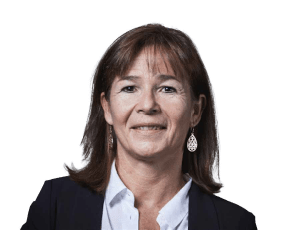
A Bright Future Built on Resilience, Embracing Digitalisation and AI, and Empowering the Next Generation of Credit InsurersThe Berne Union is the industry body of the International Union of Credit and Investment Insurers, of which ICIEC is a member. Despite the geopolitical tensions, the sluggish global economic recovery, and supply chain disruptions, 2023 was a “huge” year for export credit. BU members provided over USD3 trillion new support for international trade in 2023, expanded across business lines. All this happened under the stewardship of Ms. Maëlia Dufour, President of the Berne Union, and seasoned credit insurer in her other role as Chief International Officer, BPIfrance Assurance Export. With her two-year term ending on 31 October, Ms. Dufour discusses with Mushtak Parker in an exclusive interview in her capacity as President of the Berne Union, the state of the credit and investment insurance industry, the challenges of digitalization and AI, the economic power of gender balance, the priorities going forward, but at the same time looking back at the achievements of the last two years
One observation of our members is that contract timeline is longer and therefore contract close takes longer. The contract pipeline is dominated by big ticket transactions in defence, aviation and cruise ships, and other sectors too. But the two top priorities in demand according to our members is a big increase in demand to underwrite SME business and all aspects of climate related projects involving green and transition projects. Another priority that often comes up is digitalisation and AI with the aim of simplifying and speeding up the process for clients to give answers quicker, communicating and matchmaking between exporters and buyers.
We are seeing many potential disruptions in supply chain such as the trade route disruptions in the Red Sea (due to the conflict in the Middle East) and the Panama Canal (due to severe drought), and of course the conflict in Ukraine, the subdued global economic recovery and GDP growth. To what extent have these factors affected the industry and the business of your members?
Our members have been around for many years. They have been faced with several crisis before including the financial crisis of 2008, the Middle East Crisis, the COVID-19 crisis, the Supply Chain Crisis because of the Ukraine conflict. What we have realised is that we have always been very resilient, and always been there for our clients. During crisis we always ask clients about their needs. If the need changes, then we brainstorm and create new products. As such we have come up with new products depending on the various tensions.
If we look ahead, we have had a record number of general and presidential elections in 2024 in various parts of the world. We are all looking ahead to the US elections in November 2024. This is the one that counts. In other markets such as in Africa, we have the sovereign debt issue. As a result, it is true more exporters are asking for support and guarantees on African contracts. There is a lot of risk involved, but being an insurance provider, you must take risks.
Ukraine is very important. Many ECAs have signed MoUs with Ukraine to tell them we are ready to help in the reconstruction of the country. I know some governments have provided big loans for Ukraine, but the biggest problem we have heard is that there are some short-term contracts, but we don’t have any demand for medium-and-long-term contracts. The reason is that onsite visits especially for projects such as hospitals and roads are important. You need to have people on the ground. But because of the conflict, the security of the people is at risk. In France, for instance we look at this security issue very tightly compared to some other countries. The security of staff on the ground is a major concern for members of the Berne Union. Another problem is that they would find it difficult to get financing from the bank, unless the bank is 100% covered. BU members however have expressed their will to help in the reconstruction of Ukraine.
Developing countries consistently stress the high cost of credit and investment insurance which deters market entry and penetration. They talk about exaggerated risk perceptions of the international credit rating agencies about their markets which they say is unfair. This has led to the payment of extra premiums and higher cost of finance. Do you think that developing countries are getting a fair deal on credit and investment insurance and is there a two-tier system in pricing risk between developed and developing markets?
It is true that the cost of premium is a major issue. As you know we follow the OECD rating scale of Categories 0 to 7. If the country is rated 5, 6 or 7, the premium would be higher. It is a decision taken by economists inside the OECD. We cannot tell them why you rated a country 6 and not 5. Not surprisingly, it is the country that says we deserve a 5 and not a 6 rating.
You are right this is an issue for the developing countries, but we must take it as it is. Talking about a premium, Ukraine was saying that their premium was too high. They are at war, so they are in Category 7. They would like to be in Category 6, but we must comply with the OECD rating.
You have flagged climate action and finance as a key priority for Berne Union members. Especially as the world approaches COP29 in Baku. What about other areas such as food insecurity, post-pandemic health systems and clean energy transition?
We deal a lot with clean energy transition projects and green projects. Regarding climate action and finance, we look at three things: i) Decarbonisation of our portfolio, ii) Creating financial incentives to better insure green and transition projects, iii) Government policies and strategies and considering the statements of the various COPs.
Food security is very important. Some members do short term underwriting of agriculture business and for healthcare projects, both of which we support. There have been discussions with the OECD to give some financial incentives in support for healthcare contracts.
The phasing out of fossil fuels will take some time. The credit insurance industry is no longer interested in underwriting the coal, oil and gas industries. There are some countries that have been very clear in that that they will not support investments in fossil fuels. There are new emerging sectors such as critical minerals – nickel, manganese, lithium, cobalt etc. We see greater movement in this direction, and it is now becoming a priority sector for our members.
How important is adopting digitalization in across-the-board applications for the de-risking industry to embrace the defining challenges in the world – trade, investment, food security, climate action, clean energy transition, mitigating catastrophic climate events and natural disasters? Generative and/or extractive AI, Blockchain and Tokenisation are the great disruptors currently albeit they are all at their nascent stages of evolution. Digital trade has grown rapidly reaching USD4.25 trillion in 2023. The passing of the UK Electronic Trade Documentation Act 2023 is fast gaining traction as a global model. What are the implications for trade, trade finance and trade insurance ecosystem?
I can tell you no one ignores the challenge and opportunities of digitalisation. Nevertheless, the biggest markets such as the UK, France, Germany and so on can invest in digitalisation infrastructure and the cost is always very high especially for IT budgets. Some of the smaller nations such as Poland are very much advanced in digitalisation despite their size. Everybody wants to digitalise. We also have the rapid emergence of generative and extractive AI, Blockchain and Tokenisation. The Chinese are more advanced in this. They know that it is a pain for the client to have to write down the information on an application form. If everything is digitalised, then it goes quicker for them. Digitalization is vital for our clients and of course for the teams working inside the insurance institutions. There is a correlation between the increase in digital trade and uptake of digitalisation in insurance institutions.
Of course, we must look at AI and its applications for the credit insurance industry. We must use it in an appropriate manner. It is too early to say how it will impact the industry because we are still at the early stage. Everything is moving so fast. We must catch up otherwise we might be left behind. For AI, I can see an adoption timeline within the next year. There is also the issue of cybersecurity, online fraud and the various emerging risks. A lot of Berne Union members are looking at this. It is a very important issue for our members.
What is the current state of women in credit and investment insurance including among BU members? What measures are the BU and its members adopting to enhance the role of women in the industry across the spectrum?
I am very happy about the status and role of women inside the Berne Union. We have had three women serving as President consecutively for the last three terms. My term expires at the end of October 2024. The next President I believe following the annual meeting will be a man. In the industry, there are almost as many women as men. There is a balance between men and women. It is true when it comes to executive members, it is dominated by men. Nevertheless, if I look at some of major ECAs then there are several women who are Presidents. In our industry there is not really a problem of gender balance.
The latest OMFIF Gender Balance Index 2023 relating to central banking and financial services concluded that although progress has been made, the gap between men and women especially in senior positions in finance is still huge.
I can tell you only what I see inside the Berne Union – the dignity and institutional culture we have with almost 300 people working at the organisation. We create a working group if we have a problem. When there is no problem why create a working group?
One thing I am very passionate about is our Young Professional Group of credit insurance cohorts because they are the future, the next generation, and about how to retain new talent. I have supported a positive engagement with our young professionals, establishing and encouraging them to speak at panel discussions, sometimes including with senior professionals. The young professional working group is about 100 strong. They learn from managers who attend the panel discussions on a range of topics – from products, processes to even human and wellbeing issues. I told them I don’t want it to be only top down but also bottom up. From their feedback, the defining areas of interest are digitalisation and the onset of AI.
The Berne Union is celebrating its 90th anniversary and ICIEC its 30th anniversary. ICIEC is a multilateral insurer with 50 member countries which uniquely operates under alternative Islamic insurance principles. Do the two institutions have something to learn from each and further their cooperation?
I am very happy ICIEC is a member of the Berne Union. We have members from all areas of the world, so we can learn more about their countries and institutions. It is very important to have member ECAs from all over the world. At the next annual meeting, our Chief Economist will give us an industry update from all parts of the world. There will be a member from the Middle East who will give an update on the region.
There is one thing that is very important inside the Berne Union in that before the annual meeting we send surveys to all members for them to tell us how they are organising, developing new products, what are the figures in ST and MLT business, for investment and so on. We get to learn a lot from these surveys. If there is something ICIEC has written as a new product, for example, another member might ask for more information. We have a lot of exchanges and networking at the annual meeting. We ask the members to give us some feedback on what they would like to talk about to create breakout sessions. I encourage ICIEC to write down what is relevant for them in the survey, so that we can take it into account.
Often the perception is that credit insurance is too expensive, so we won’t bother with it. The culture of credit and investment insurance and market penetration is still underdeveloped especially in the developing markets. What is the Berne Union doing in general in spreading the message of credit and investment insurance?
I agree about the perception that credit insurance is too expensive. It is difficult to ride seven horses at the same time. We do what we can. I think we have done it well. But there is always room for improvement. We do interact with peer international institutions such as the IMF, World Bank, OECD, WTO through speaking at conferences on these issues.
I think we must improve on our communication and engagement with member ECAs. During my presidency I have been asked to speak at many conferences which I have done. This contributes to spreading our message and what we can do for export trade and insurance. Another of my objectives is to leverage the huge data resource we have at the Berne Union and communicate much more what we are doing and how we can help.
As you come to the end of your two-year term in office as President of the Berne Union at the end of October 2024, what will be the legacy of Maëlia Dufour? What are the achievements you are most proud of?
I am very proud of what we have done on climate action, especially in facilitating green projects and transition, and giving financial incentives for such projects. I am also proud of the Young Professional Group I introduced at the Berne Union to ensure continuity and the next generation of credit and investment insurers, and to ensure knowledge transfer to them.
I am proud of the extensive data resource we have developed at the Berne Union. Every member must report its data. I am also proud of creating a much more interactive AGM where we can engage on a whole range of issues. I call them my export family. I am confident that the Berne Union will continue to excel as the voice of the industry, articulating its successes, achievements, and concerns whether in technical matters, product innovations and emerging risks.
Last year, our members underwrote USD3 trillion of trade and investment business. I expect this to increase over the next three years. I have been in this industry for decades and have come across many crises. The fact that we are still in business, reflects our resilience. I am sure we will come across other crises. If I look at the figures for the last two years, business insured in fact has increased despite the impact of the pandemic or Ukraine. The defining impacts which have affected our business are geopolitical tensions and climate change. Before the Ukraine conflict, our members did a lot of business with both Russia and Ukraine. The war has stopped all that.
The Economic Power of Gender Balance

Whether it is the McKinsey & Company’s ‘Women in the Workplace 2024’ report, OMFIF’s ‘Gender Balance Index 2024’, the ‘UN Sustainable Development Goals Report 2024’, or the observations of global leaders such as Kristalina Georgieva, the Managing Director of the International Monetary Fund (IMF), the message is consistent: promoting gender balance in the economy and workplace is beneficial for inclusive growth and higher productivity. However, while there has been real progress for women at every level of corporate activity, this progress remains slow, particularly in advancing women into managerial positions.
The positive correlation between gender balance in the workplace and the wider economy, alongside key economic indicators such as GDP growth, productivity, and social and financial inclusion is undisputed. However, the gender balance gap varies from country to country regardless of economic status, with low-and-medium-Income-countries (LMICs) often disproportionately affected.
The reality remains that women are underutilized stakeholders, with lower participation in the economy and in leadership positions, including in financial services. The fact that diversity and gender balance are smart economics, and are essential for development agendas, increasing aggregate productivity and socio-financial inclusion, while also maintaining the dignity and wellbeing of women in the workplace and society, is beyond dispute.
The IMF in a blog on ‘Inclusion and Gender’ authored by Antoinette Monsio Sayeh, Deputy Managing Director, alongside economists Alejandro Badel and Rishi Goyal, the link between narrowing the gender gap in the workplace and potentially higher global economic outcomes was highlighted, particularly amid the weakest medium-term growth outlook in more than three decades.
The IMF’s World Economic Outlook, released in July 2024, projected global GDP growth at 3.2% in 2024 and 3.3% in 2025. The average growth rates for the Developed Economies are projected at 1.7% and 1.8% for the same period, while for the Emerging Market and Developing Economies are expected to grow by 4.3% for both 2024 and 2025. The two regions where the IsDB and ICIEC membership is concentrated, the Middle East and Central Asia, and Sub-Saharan Africa (SSA), are projected to grow at 2.4% in 2024 rising to 4.0% in 2025, while SSA alone is projected to fare slightly better at 3.7% in 2024 rising to 4.1% in 2025.
For developing countries, these figures suggest disproportionality not only in the impact of the subdued global economic recovery but also in sharing the burden of any remedial policy reforms. These numbers present both challenges and opportunities for narrowing the gender balance gap in the workplace, a reform that the IMF views as crucial to reviving economies amid the weakest medium-term growth outlook in more than three decades.
“With global growth predicted to languish at just 3% over the next five years, and with traditional growth engines sputtering, many economies are missing out by not tapping into women’s potential. Only 47% of women are active in today’s labor markets, compared with 72% of men. The average global gap has fallen by only 1 percentage point annually over the past three decades and remains unacceptably wide,” maintain the authors of the IMF Blog.
Gender Balance and GDP Growth
The IMF estimates that emerging and developing economies could boost GDP by about 8% over the next few years by raising the rate of female labor force participation by 5.9 percentage points—the average amount by which the top 5% of countries reduced the participation gap during 2014-19. This increase would more than offset the economic “scarring,” or output losses, inflicted on countries by the COVID-19 pandemic.
In search of new growth sources
Narrowing gender gaps in labor force participation could more than offset pandemic scarring.
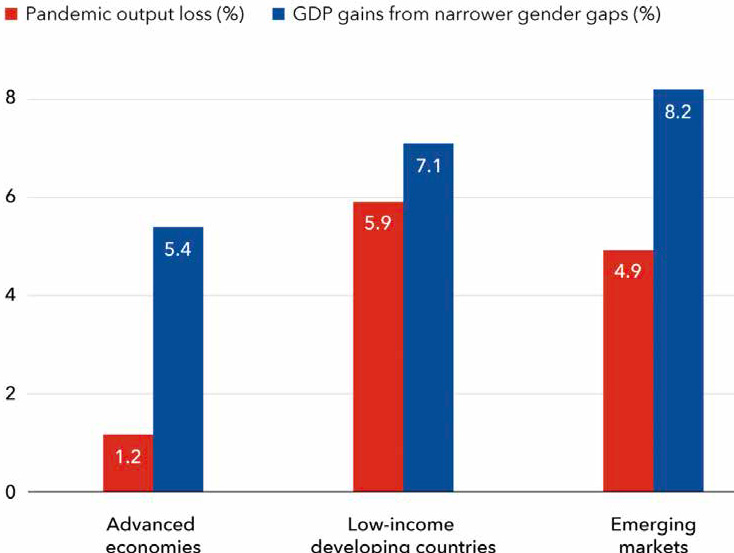
Source: IMF Staff Calculations.
Note: Pandemic Output Loss is the percent deviation of projected real GDP in 2023 relative to the pre-pandemic (Jan. 2020) WEO projection. GDP gains are computed from narrowing the gender gap by 5.9 percentage points, which is the improvement achieved in the top 5 percent of EMDEs during 2014-19.
Policymakers can influence growth in various ways, from governance reforms to strengthen institutions, to financial and fiscal reforms, and investment incentives to unlock capital flows, for investment especially in infrastructure. However, as the IMF researchers suggests, complementing these reforms with measures to narrow gender gaps would greatly amplify these returns.
The challenge is how to enhance current policy trends at the government, institutional, and corporate levels to close gender gaps. “Our analysis of three decades of data,” says the IMF, “shows that countries have made progress increasing women’s participation, but economies of all income levels experienced several setbacks—a result of shocks, crises and policy reversals.
Countries must step up efforts to break down barriers to women’s participation in the labor market and workplace. Unfair laws, unequal access to services, discriminatory attitudes, and other obstacles prevent women from realizing their full economic potential.
The result is a shocking waste of talent, leading to losses in potential growth.”
There are other compelling reasons for pushing gender balance parity in the economy and the workplace. For instance, Global trade is poised to rebound in 2024 according to UNCTAD’s latest trade update, reversing the downward trend in 2023 when overall, the value of global trade fell by 3% to USD 31 trillion. The WTO’s July 2024 Goods Trade Barometer similarly reports signs of recovery in trade flows. After remaining flat since Q4 2022, the volume of world merchandise trade began improving in Q4 2023 and gained momentum in Q1 2024, rising 1.0% compared to the previous quarter and 1.4% year-on-year.
International gatekeeper organizations, including the Bretton Woods institutions and peer MDBs, must also reflect on their approach to gender responsiveness and balance. At the 49th Meeting of the International Monetary and Financial Committee during the 2024 Spring Meetings of the World Bank/IMF in Washington, DC, the clarion call from LMICs to the World Bank/IMF Executive Boards to “make meaningful strides” towards greater Diversity and Inclusion, particularly for gender parity in the Executive Board of the IMF, as well as enhanced gender balance on all grade levels in the offices of Executive Directors.
“We recognize the progress made on Diversity and Inclusion and accelerating gender equality and inclusion as key drivers of effective and impactful development,” reminded Lesetja Kganyago, Governor of the South African Reserve Bank (SARB). “But we call for continued commitment to make meaningful strides in tackling the ongoing challenges of greater recruitment and promotion of staff from underrepresented regions, as well as more female appointments at all levels, to ensure a level playing field and equitable treatment for staff at all grade levels across the membership.” In this respect, the World Bank Group’s new Gender Strategy assumes even greater importance in strengthening work to elevate human capital, expand economic opportunities, and engage women as leaders.
Gender outcomes were a prominent feature at the 13th Ministerial Conference (MC13) of the WTO in Abu Dhabi in March 2024, particularly concerning gender inclusivity in trade, trade finance and insurance. To mark International Women’s Day on 8 March 2024, the WTO through its Informal Working Group on Trade and Gender launched the International Prize for Gender Equality in Trade, which recognizes the most impactful gender-responsive trade policies implemented by WTO members and observers.
Looking ahead, the WTO and the WTO Gender Research Hub will organize the second edition of the World Trade Congress on Gender in 2025, focusing on innovation. The Secretariat will also release new policy tools during the Aid for Trade Global Review 2024, including incorporation of gender indicators in Aid for Trade programming and a new database mapping gender-responsive trade policies.
The Current State of Gender Balance
Research and data on gender balance and the socio-economy has flourished enormously over the last decade . The Sustainable Development Goals (SDG) Report 2024 reminds us through SDG 5 on Gender Equality, that “the world continues to lag in its pursuit of gender equality by 2030. Parity in women’s participation in public life remains elusive, and in management positions, at current rates, parity will require another 176 years. Enhancing women’s roles in leadership and decision-making and adequately scaling up investments in gender equality on national, regional, and global scales are top priorities.”
Earlier this year, Moody’s Analytics published a research study that highlights a significant shift in the global labor market. The study found that gender employment gaps are narrowing across the world due to increased female participation rates, adding USD 1.5 trillion to global income since 2019.
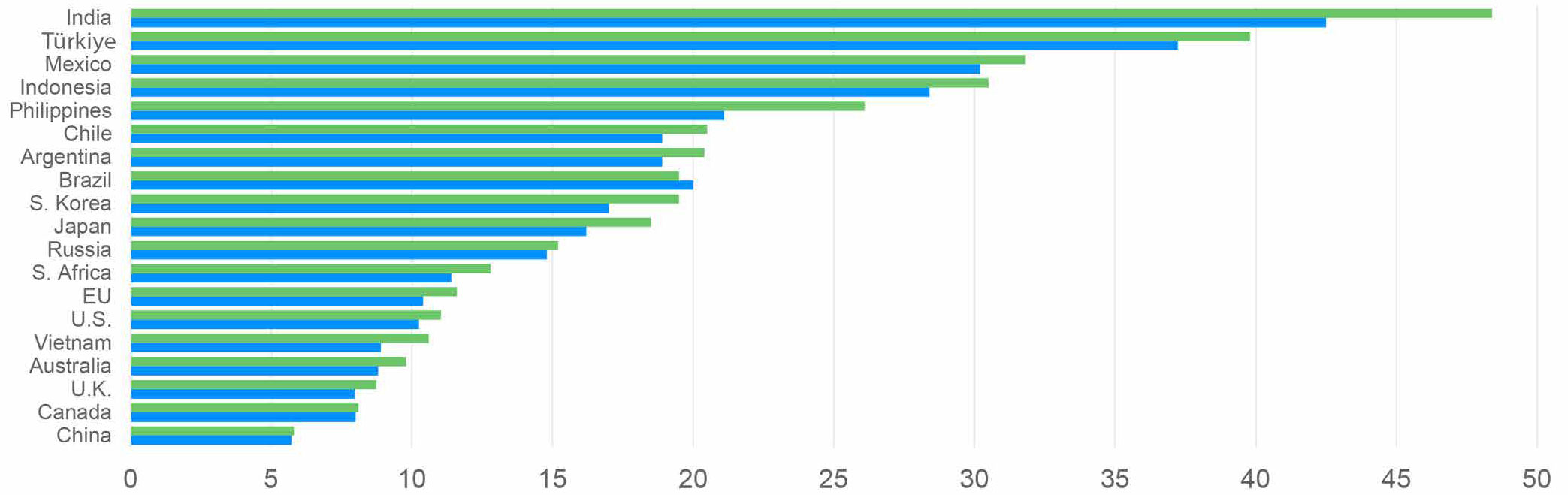
The female participation rate rose above its pre-pandemic level already in 2021 in the European Union, and in 2022 in the U.S. Progress in the EU has been especially remarkable, with the female labour force participation rate rising almost three percentage points in just over three years.
Moody’s Analytics identified three key forces behind the narrowing in gender gaps:
- Tight labour markets – unemployment rates are at or near record lows in many countries. To attract talent, employers may be offering higher wages or incentives, drawing participants into the labor market.
- Cost of living increases – high inflation and interest rates have squeezed household budgets, promoting new entrants into workforce to make ends meet.
- More flexible working conditions – the post-pandemic shift towards remote working and more flexible work arrangements has increased labor participation.
Narrowing Gender Gaps Have Added $1.5 Trillion to Global Income
Contribution to global income, $ bil international (purchasing power parity)
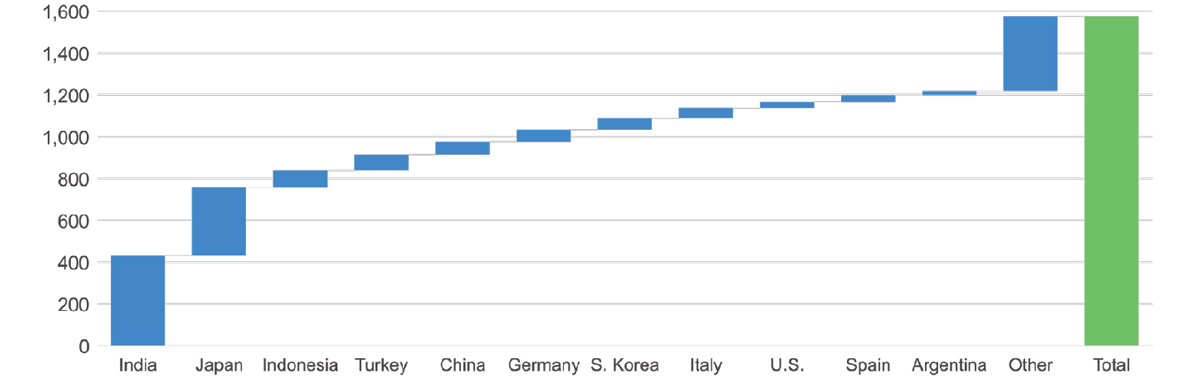 Source: Moody’s Analytics
A report by Moody’s Investors Service in March A report by Moody’s Investors Service in March 2024 found that higher-rated companies tend to have a higher proportion of women on their boards. Women account for an average of 29% of the board seats of investment-grade companies (those rated Baa and above), and an average of 24% of the board seats of speculative-grade companies (those rated Ba and below). Companies based in advanced economies show a correlation between board gender diversity and credit ratings, whereas those in emerging markets do not. “The presence of women on boards – and the potential diversity of opinion they bring – supports good corporate governance, which is positive for credit quality,” emphasized Moody’s.
Another report by Sustainable Fitch indicates that companies with high gender diversity across all staff levels tend to have better overall ratings, suggesting a link between gender diversity and comprehensive ESG performance. Banks and financial institutions lead in gender diversity, while sectors such as energy, automotive, and transportation lag behind. “Board-level gender diversity,” says the report, “has risen in recent years, facilitated by supportive regulations. However, more effort is required to promote greater representation across countries and sectors. Our data indicate that European countries continue to lead in terms of the number of women on boards, with the Middle East and Latin America behind. Female board representation is also higher in insurance, healthcare, and education.”
McKinsey & Company’s ‘Women in the Workplace 2024’ report echoes the consensus that there have been important gains for women at every level of the corporate pipeline (in this case in the US for instance), particularly in senior leadership. “Research shows that companies with more women in leadership benefit from greater innovation, healthier cultures, and stronger performance. And in addition to offering valuable skills and perspectives, women leaders inspire the next generation of women to make their mark.”
However, progress toward parity remains slow for women at the manager and director levels, creating a weak middle in the pipeline and impacting most women. “At the current rate of progress, it will take almost 50 years to reach parity for all women in corporate America—and that assumes companies can translate their somewhat precarious momentum into more substantial and sustainable gains,” concludes the report.
Missed Opportunities
Two other reports provide sobering insights into the current and near-to-medium-term state and prospects for women in finance, the workplace, and trade. The 11th edition of the Gender Balance Index (GBI) published by OMFIF, the independent forum for central banking, economic policy, and public investment, paints a picture of missed opportunities. The index tracks the presence of men and women in senior positions in central banks, commercial banks, pension funds and sovereign funds.
“Even though there are more women in senior positions across central banks and top financial institutions in 2024, only 14% of the 63 institutions with new governors or chief executive officers in the past year appointed women. At this rate of change, the prospect of gender parity in leadership remains decades away,” states OMFIF.
However, in this landscape of gender gaps and parities, the data can be misleading. While absolute numbers may show some improvements, they often mask the fact that the base for the metrics is low and that barriers to entry remain high. These barriers are dominated by policymakers and national leaders, who are still predominantly men. According to OMFIF, in 2023, the share of new women CEOs in commercial banks and SWFs was zero, and in central banks and pension funds it was only 18% and 22% respectively.
Take, for instance, the South African Reserve Bank (SARB), the central bank. SARB’s gender balance record is mixed. Although SARB’s ranking in the GBI improved from 100 in 2022 to 63 in 2023, and its GBI score rose by 19 points year-on-year to 54. the percentage of senior female staff at the central bank was still only 35%. In March 2024, President Cyril Ramaphosa reappointed Ms. Nomfundo Tshazibana as Deputy Governor of SARB for a period of five years effective from 1 August 2024. He also appointed the prominent economist Dr. Mampho Modise as a new Deputy Governor of SARB for a period of five years effective from 1 April 2024. The gender bias has now shifted in favour of women in the Deputy Governor cohort, which now includes three female appointments.
Considerable progress across institutions in the long term
Average GBI scores
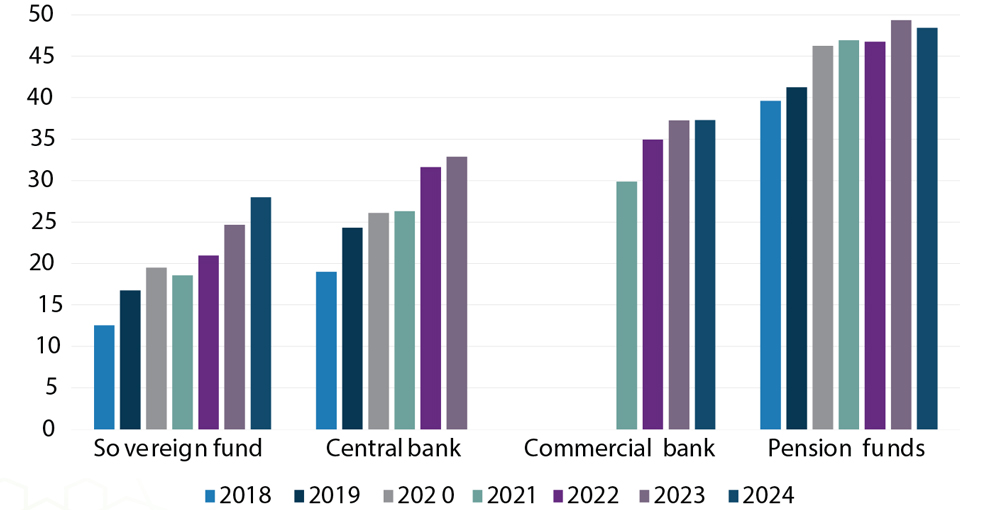 Source: OMFIF Gender Balance Index 2018-24Note: Commercial banks were included in the index from 2021 onwards. The sample of pension funds and sovereign funds included in the index changed in 2022 to cover 50 of the largest institutions by assets under management across regions.
The proportion of female leaders in the 335 institutions in the GBI increased to 16% – its highest ever share. Most of the progress was seen in central banks, where the number of female governors increased to 29 (16%) from 23 (15%) in 2023. Pension funds hold the highest share of women in the top rank, –rising to 28% from 24% in 2023. However, commercial banks and insurance companies have regressed: the share of female CEOs fell to 12% this year from 16% in 2023. Sovereign Wealth Funds (SWFs) have an even lower representation, with 10% led by women.
However, in this landscape of gender gaps and parities, the data can be misleading. While absolute numbers may show some improvements, they often mask the fact that the base for the metrics is low and that barriers to entry remain high. These barriers are dominated by policymakers and national leaders, who are still predominantly men. According to OMFIF, in 2023, the share of new women CEOs in commercial banks and SWFs was zero, and in central banks and pension funds it was only 18% and 22% respectively.
Take, for instance, the South African Reserve Bank (SARB), the central bank. SARB’s gender balance record is mixed. Although SARB’s ranking in the GBI improved from 100 in 2022 to 63 in 2023, and its GBI score rose by 19 points year-on-year to 54. the percentage of senior female staff at the central bank was still only 35%. In March 2024, President Cyril Ramaphosa reappointed Ms. Nomfundo Tshazibana as Deputy Governor of SARB for a period of five years effective from 1 August 2024. He also appointed the prominent economist Dr. Mampho Modise as a new Deputy Governor of SARB for a period of five years effective from 1 April 2024. The gender bias has now shifted in favour of women in the Deputy Governor cohort, which now includes three female appointments.
Women in Technology
Senior technology roles in financial institutions present a promising avenue for women in leadership, with encouraging signs for women in technology. Of the seven sovereign fund Chief Technology Officers (CTOs) included in the OMFIF’s GBI index, four are women. Two out of five African sovereign funds have women in leading technology roles, including Makano Mosidi CTO of South Africa’s Public Investment Corporation (PIC) and Sheila Malebogo Sealetsa, adviser on banking and currency digitisation of Botswana’s Pula Fund. In fact, the Central Bank of Seychelles and Bank of Namibia were the two highest ranked African countries in the GBI, with 54% senior staff comprised of women professionals. In contrast, the PIC has 17 female executives but no women on its board. Meanwhile, Absa and Standard Bank had 43 and 29 female board members, respectively, and 23 female executives each.
Share of women in tech is on par with industry trends
Share of women in senior positions, %
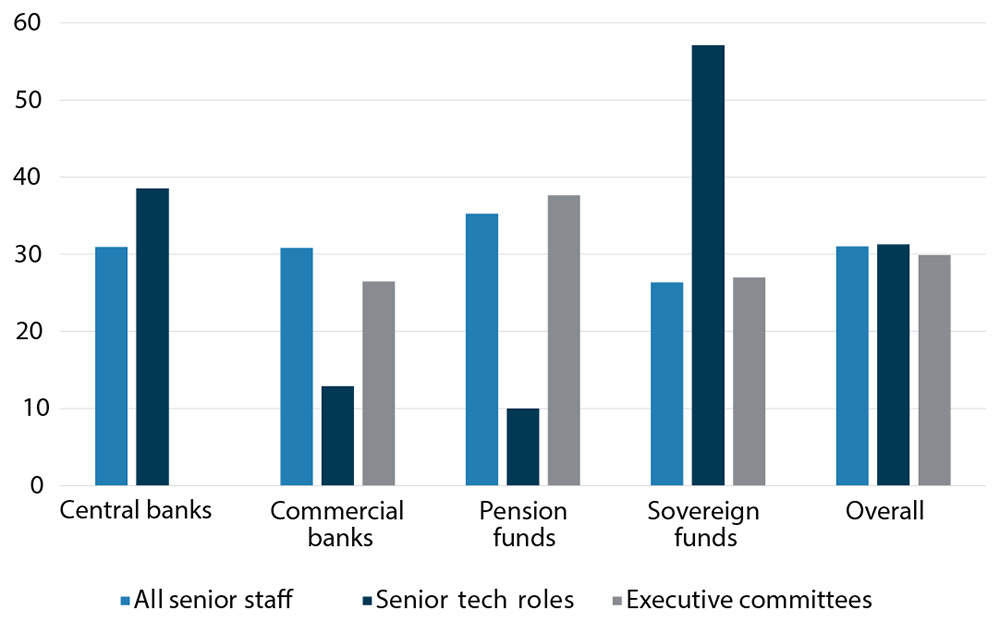
Source: OMFIF analysis
Note: Executive committee data unavallable for central banks.
The biggest challenge for women in the workplace may be reflected in the World Bank Group’s ‘Women, Business and the Law’ Report launched in March 2024. The report confirms that “the global gender gap for women in the workplace is far wider than previously thought. When legal differences involving violence and childcare are included, women on average enjoy just 64% of the legal protections and rights that men do—far fewer than the previous estimate of 77%. No country provides equal opportunity for women, -not even the wealthiest economies.”
The Report reveals a disconcerting implementation gap. Although laws suggest women enjoy roughly two-thirds of the rights men do, countries have established less than 40% of the systems needed for full implementation. For example, 98 economies enacted legislation mandating equal pay for women for work of equal value. Yet only 35 economies – fewer than one out of every five – have adopted pay-transparency measures or enforcement mechanisms to address the pay gap. The gender and implementation gaps highlight how much hard work lies ahead towards achieving parity.
New Trade and Gender Initiatives for MSMEs
In the field of trade, members of the World Trade Organisation (WTO) are increasingly discussing how to make trade more inclusive by fostering the greater participation of women and Micro-and-Small-and-Medium-Sized Enterprises (MSMEs) in trade. The recognition of the specific constraints of MSMEs and businesses owned by women in integrating global trade and leveraging trade for economic empowerment has resulted in the establishment of the WTO Informal Working Groups on MSMEs and on Trade and Gender.
According to the WTO, the Informal Working Group on MSMEs provides a forum to exchange information and experiences on ways in which WTO members could better support the participation of MSMEs in global trade. The Informal Working Group on Trade and Gender aims to enhance women’s participation in international trade by sharing best practices and exploring how women can benefit from the Aid for Trade initiative, among others. Discussions on inclusive trade have also gained significant importance in other WTO committees and working groups.
In this respect, the International Finance Corporation (IFC), the private sector funding arm of the World Bank Group, recently launched a new MSME Finance Platform initiative to aid financial service providers in delivering funds to small businesses in emerging markets, with a particular focus on those owned by women and those in the agriculture and climate sectors.
The Platform will include a financing package of up to USD4 billion from IFC’s own account to banks, non-bank financial institutions, microfinance institutions, and innovative digital lenders that focus on MSMEs. It will also utilize various forms of credit enhancement to mobilize private capital, including an innovative Catalytic First Loss Guarantee, which together aim to crowd in an additional USD4 billion in financing from eligible financial service providers to expand lending to these businesses.
“Micro, small, and medium enterprises.” explained Makhtar Diop, Managing Director of IFC, “form the backbone of most developing economies, yet they face significant financial barriers that hinder their potential. Our new financing platform addresses these challenges head-on, empowering financial service providers to extend critical support to these businesses, particularly those that are women-led or environmentally focused.” MSMEs, according to the IFC, make up over 90% of all firms and account, on average, for 60-70% of total employment and 50% of GDP worldwide. Still, according to the SME Finance Forum, there is currently a roughly USD5.7 trillion financing gap for MSMEs.
In emerging markets, MSMEs and the informal sector are essential to economic growth, job creation, and poverty alleviation. Recent crises have weakened financial service providers financially, constraining their ability to meet increasingly stringent lending requirements. As a result, businesses are seeing a credit contraction in emerging markets and developing economies due to tighter credit conditions, rising interest rates, and a limited appetite for risk.
The IFC will leverage its risk capital to extend first loss protection to eligible financial service providers, which often have ample local currency liquidity but have limited exposure to MSMEs due to the segment’s perceived high risk. Through this mobilization approach, the MSME Platform aims to create a financing solution through capital optimization structures and potentially redirect significant amounts of local currency financing to businesses.
The Platform will be supported by the International Development Association’s Private Sector Window (IDA PSW) to help de-risk the credit and foreign currency exposures in projects in low-income countries. Up to USD100 million will come from the IDA PSW Blended Finance Facility (BFF). In addition, resources from the Global SME Finance Facility (GSMEF) and the Women Entrepreneurs Opportunity Facility (WEOF) will be allocated to support and incentivize lending to businesses in the agriculture sector and women-owned MSMEs.
Looking ahead, as IMF Managing Director, Kristalina Georgieva and her co-authors Nadia Calvino and Odile Renaud-Basso stressed in a recent article titled ‘The Economic Power of Gender Equality,’ “women’s talent is a driving force behind economic progress and an essential part of the solution to climate change. Women already lead some of the world’s most influential financial bodies and play a growing role in the political arena. Now women must lead the shift to a more inclusive and sustainable growth model. We have a unique opportunity to advance inclusion, to inspire similar commitments from others, and to shape the future for the better.”
Gender and Climate – a Tale of Two Transitions

“As a leading multilateral insurer, ICIEC remains committed to supporting its 50 Member States in achieving their development goals, including resilience, mitigation, and adaptation to the threats posed by climate change.”
It is no coincidence that COP29 President-Designate, Azerbaijan’s Mukhtar Babayev, in a formal letter to member states and the global community outlining the plan and expectations for the climate summit in Baku in November 2024, included Gender Equality in climate action as one of the 10 themes up for discussion during the 11-day 2024 UN Conference of the Parties, otherwise known as COP29.
Following COP27 in Sharm El Sheikh, Egypt, in 2022, COP28 in Dubai, UAE, in 2023 and COP29 in Baku, Azerbaijan, later this year, it is remarkable that for three consecutive years, the climate summits have been held in member states of ICIEC. Azerbaijan, in fact, became the 49th member state to accede to ICIEC’s membership last year.
COP29 President-Designate Mukhtar Babayev has allocated a whole day to discuss socio-climate issues including the role of gender equality, balance, leadership and responsiveness in climate action, nature and biodiversity, indigenous people, oceans and coastal zones.
Babayev’s COP29 priorities are implicit:
- Keep 1.5 degrees within reach and leave no one behind.
- National Adaptation Plans and Biennial Transparency Reports.
- 1.5-aligned Nationally Determined Contributions from all stakeholders.
- New Collective Quantified Goal (NCQG) on climate finance, starting at a floor of USD 100 billion with the aim of dramatically increasing this figure.
- Finalise Article 6 of the Paris Agreement
Azerbaijan has also launched at Climate Finance Action Fund (CFAF) to invest in climate-related adaptation and projects in the developing world, although some experts question its ambition and size. “The proposal for the CFAF indicates an initial round of USD 1billion per year by 10 countries or shareholders.
Shock Absorbers and Mitigators of Risk
Multilateral insurers such as ICIEC, alongside national export credit agencies and private sector insurers act as the shock absorbers and mitigators of a wide range of risks, exacerbated in recent years by extreme climate related events, natural disasters, catastrophic occurrences, and conflict, all of which have served to undermine progress towards the Net Zero ambitions of the Paris Climate Agreement of 2015.
The Net Zero Export Credit Agencies Alliance (NZECAA) launched by a group of ECAs led by UK Export Finance (UKEF) under the aegis of the United Nations Environment Programme Finance Initiative (UNEP-FI) has the simple mandate of promoting the role of export credit in achieving net zero emissions by 2050 and limiting global warming to 1.5°C, in collaboration with the Glasgow Financial Alliance for Net Zero (GFANZ).
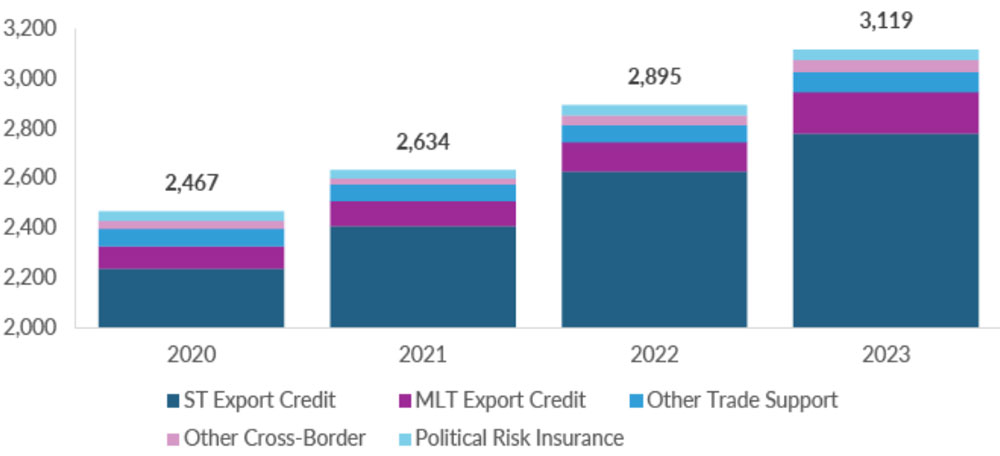
Berne Union (BU) members, of which ICIEC is one, according to the BU’s Export Credit and Investment Insurance Industry Report 2023, supported USD 3.12 trillion of finance in support of export and investment in 2023 – an impressive 8% increase overall compared to 2022. “The tools and products members deployed have been necessary for supporting trade recovery, and members now support higher values of trade than ever before,” says the report.
As a leading multilateral insurer, ICIEC remains committed to supporting its 50 Member States in achieving their development goals, including resilience, mitigation, and adaptation to the threats posed by climate change. The Corporation’s cover extends various sectors, with USD 2.35 billion in 2023 specifically directed towards clean energy initiatives, such as solar energy systems and wind farms – assisting with their importation and use in national infrastructure projects. At COP28, IsDB President, H.E. Dr. Muhammad Al Jasser, also unveiled a USD 1 billion climate finance initiative for fragile and conflict affected member countries over the next three years.
Berne Union – New Business Insured by Product Line 2020-2023
New Business by Product Line (USD bn.)
 Source: Berne Union – Export Credit & Investment Insurance Industry Report 2023
In contrast in 2023, ICIEC’s Business Insured (BI) reached USD13.3 billion representing a14.66% growth from the previous year. New Insurance commitments reached USD4.2 billion and Total Gross Written Premium totaled USD108 million.
Ensuring gender equality in domestic legislation is essential to providing equal conditions for men and women to access economic opportunities created by international trade, whether in business, finance, credit insurance, surety, and policy making.
COP29 and the Gender Paradigm
UN Climate Change Executive Secretary Simon Stiell, in his Q1 2024 update message to the Parties and Observers, emphasized that “2024 will need to instigate a major step up in climate finance, both in quality and quantity. At COP29, Parties are expected to set the New Collective Quantified Goal on Climate Finance (NCQG) from a floor of USD 100 billion per year, considering the needs and priorities of developing countries, advancing gender equity and bolder climate action in tandem.”
In this context, UN Climate Change, in collaboration with UN Women and UNDP, recently hosted the first-ever African regional workshop for National Gender and Climate Change Focal Points in Nairobi, Kenya, as a precursor to the Baku Summit. The agenda included the upcoming review of the UNFCCC enhanced Lima work programme on gender, highlighting opportunities for national gender-responsive climate policies and plans. This workshop saw a record-breaking 110 submissions from Parties and Observers.
There is a consensus that significant gender disparities in export activities, underscoring the imperative to provide enhanced support for women in international trade. Ensuring gender equality in domestic legislation is essential to providing equal conditions for men and women to access economic opportunities created by international trade, whether in business, finance, credit insurance, surety, and policy making.
At the same time, there are several encouraging developments aimed at closing the gaps in gender balance. For example, the World Trade Organization (WTO) and the International Credit Insurance and Surety Association (ICISA), which brings together the world’s leading companies providing credit insurance and/or surety bonds, have established trade and gender working groups. However, these are Informal Working Groups (IWGs) set up by dedicated industry women rather than permanent structures within the entities’ articles of association.
Their task was not easy, especially considering that it was only the 13th WTO Ministerial Conference (MC13) Declaration in Abu Dhabi earlier this year which recognized the importance of promoting women’s participation in trade. Another issue is that women’s participation in trade is often sidelined as a Financial Inclusion initiative targeting female entrepreneurs, traders, and Micro, Small and Medium-sized Enterprises (MSMEs) as important as it is to help policymakers design gender-responsive trade policies, as opposed to a mainstream activity across the trade ecosystem.
GENDER GAPS IN THE LABOUR MARKETS HAVE NARROWED
Percentage point difference between male and female labour force participation rate, all ages
 Sources:Eurostat, International Labour Organization, OECD, Moody’s
The WTO’s IWG is also spearheading proposals to develop gender disaggregated data and statistics relating to women in world trade. Similarly, ICISA’s Women in Credit Insurance (WICI), founded in 2023, is an informal association of individuals, which strives to increase the representation of women in the trade credit insurance industry especially in leadership roles, through mentorship, speed networking and training. Members include women experts from Allianz Trade, AON, Atradius, Coface, FinCred, Marsh and Tokio Marine HCC.
In this context the WTO-sponsored World Trade Congress on Gender, scheduled for 24-27 June 2025, under the theme “Gender Equality and Innovation: The Keys to Sustainable Trade,” assumed a much greater urgency and importance.
ICIEC, Gender Balance, Climate Action
Diversity and gender balance are important consideration for ICIEC, which counts 50 member states as shareholders. The Corporation has a total of 85 employees, approximately of whom 15 are female, indicating room for improvement. In this issue of the Newsletter we show the experiences and career paths of four of ICIEC’s female staff.
ICIEC’s female employees are represented across various role including Country Managers, finance, underwriting, credit risk, corporate affairs, training, communications and marketing, human capital and resources, and public relations professionals. Their commitment, aspirations, knowledge, experience, expectations, and career pathways are universal, irrespective of the identity metrics, be it ethnicity, gender and creed.
Similarly, ICIEC, as a multilateral corporation, embodies an exemplary model of embedding Climate and ESG considerations into its business ethos and operational playbook. The Corporation is guided by its Climate Change Policy and ESG Framework, launched at COP28. This marks the beginning of a transformative, results-oriented process, where ICIEC’s operations, insurance, physical assets, human capital, and focus address the Climate Crisis at their core. This approach is based on the needs of ICIEC’s member states, the Islamic Development Bank (IsDB) Group synergies, the role of the private sector in climate finance and industry best practice.
The ICIEC Climate Change Policy reinforces the Corporation’s unwavering commitment to combatting climate change and serves as a blueprint for increasing its intervention in sustainable projects and programmes. Anchored in this policy, ICIEC pledges to scale up its support for initiatives aimed at reducing carbon emissions, safeguarding nature, and fostering sustainable economic growth. To advance the role of climate action, ICIEC commits to assisting Member States in meeting their obligations under the Paris Agreement and promoting investment and trade opportunities that enhance resilience and increase adaptability to climate change.
The ICIEC ESG Framework is similarly a holistic tool that showcases our strong dedication to ESG principles. The framework emphasizes embedding ESG principles to ICIEC’s operations, developing ESG-centric products and services, and incorporating ESG imperatives into risk assessment and underwriting. Measures are also implemented to promote sustainability throughout internal processes, including sourcing and resource usage practices.
Noteworthy also is the first ESG Credit Impact Score (CIS-2), assigned by Moody’s Investors Service to ICIEC, which is neutral-to-low . This score indicates a limited impact from environmental and social factors on the Corporation’s rating. ICIEC’s strong governance, combined with its predominant focus on trade credit insurance, and its diversified portfolio, help in mitigating its exposure to environmental risks.
As a signatory to the Principles of Sustainable Insurance (PSI), first introduced in 2012, ICIEC is the unique sole Shariah-based multilateral insurer in the world, gender responsiveness and balance are embedded in ICIEC’s strategic playbook, although it remains a work in progress, as in almost all multilaterals and corporates worldwide, regardless of demography and socio-economic status.
ICIEC also underwrites gender-responsive policies for transactions it supports in its 50 member states, in line with their respective development agendas, particularly in promoting women-owned-and-run Micro-and-Small-and-Medium-Sized-Enterprises (MSMEs) and women entrepreneurs. Gender responsiveness is increasingly becoming a core component of the global MDB and corporate architecture globally including the PSI.
Proactive Supporter of Gender Advancement in Development
In a recent joint article, IMF Managing Director Kristalina Georgieva and economists Nadia Calvino and Odile Renault-Basso, stressed that gender equality and equal rights are not just a matter of equity, but are also of paramount economic importance. Research from the IMF suggests that narrowing the gender gap in labor markets could increase GDP in emerging markets and developing economies by almost 8%. The gains from fully closing the gender gap would be even higher, lifting GDP in those countries by 23% on average.
Similarly, research by the European Central Bank suggests that a one-percentage-point increase in female managers at a firm leads to a 0.5% reduction in carbon dioxide emissions. Additionally, the European Investment Bank found that firms led by women have higher Environmental, Social, and Governance (ESG) scores. Likewise, IMF research shows that such firms are also more profitable, and that greater gender balance on bank boards is associated with greater financial stability and better performance.
Simply put, they emphasize, diversity and an equal role for women in the economy, in decision-making, and in policy debates lead to better results. Mobilizing all available talent maximizes productivity and competitiveness, which will be crucial for addressing climate change and promoting global prosperity. It is especially important at a time when the combined effects of the climate crisis, the COVID-19 pandemic, and on-going regional conflicts threaten to reverse many of the achievements we thought we had secured.
As for President-Designate Mukhtar Babayev, the message in his open statement to the COP29 process could not be more poignant: “There is nothing easy about this challenge or these negotiations, but this process is better than any alternative. It is our best hope, and we must now do whatever it takes to make it work.”
MEMBER COUNTRY PROFILE Azerbaijan
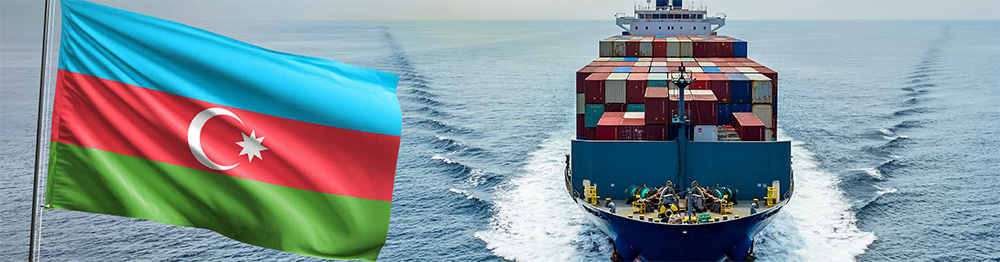
Baku, the capital city of Azerbaijan, is the host city for COP29, leading up to the actual conference in November 2024. Baku is also the latest accession member state of ICIEC. The government of President Ilham Aliyev is prioritizing key economic development in areas such as the promotion of regional connectivity (rail, gas pipelines, and electricity transmission), decarbonization especially through solar and wind renewable energy, the ‘Middle Corridor’ project which is aimed at supporting SMEs through collaboration with local domestic banks, and the promotion of Islamic finance and utilizing ICIEC’s credit and investment de-risking insurance. As COP29 looms, the central agenda will be climate finance, which is crucial for implementing the commitments made at previous conferences. Azerbaijan’s COP 29 Presidency is also stressing the importance of reviewing past promises to ensure they are being acted upon. Arysbek Zhumabek, Country Manager, Asia Region Division, Business Development Department, ICIEC profiles Azerbaijan’s clean energy transition status and its Net Zero pathway, and ICIEC’s recent and future involvement in the country’s SDG and decarbonization journey, and the potential for collaboration especially in the pioneering area of the green economy relating to food security, energy transition, climate action and regional connectivity.
From among its 49 Member States, Azerbaijan is the newest country to join ICIEC in January 2023. The country is located at the intersection of the Middle East, Central Asia, and Europe, and is bordered by the Caspian Sea and the Caucasus Mountains.
Known as “the Land of Fire,” it boasts unique natural beauty and a rich cultural and historical heritage. With a population of about 10 million, Azerbaijan has seen significant economic growth in recent decades, driven by its abundant oil reserves and strategic leadership that invests in infrastructure, renewable energy, regional connectivity, decarbonization, and digitalization. As the country prepares to host COP29 in November 2024, it reaffirms its commitment to sustainable development.
Traditionally, Azerbaijan’s economy has been heavily reliant on the oil and gas sector. The International Energy Agency (IEA) predicts that the country’s oil reserves will last for another 25 years, underlining the need for alternative energy sources. In response, Azerbaijan ratified the Paris Climate Agreement in 2017 and aims to reduce greenhouse gas emissions by 40% by 2050. By increasing its renewable energy capacity to 30% by 2030, Azerbaijan seeks to diversify its energy sources and lead in sustainable energy initiatives.
In 2023, the International Energy Agency (IEA) highlighted an unprecedented increase in global renewable energy capacity, indicating a potential achievement of significant climate goals by the end of the decade. Azerbaijan is committed to sustainable development and aims to become a leader in “green growth.” The Presidential Order approving “Azerbaijan 2030: National Priorities for Socio-Economic Development” outlines the country’s objectives to maintain a clean, healthy, and sustainable environment.
Azerbaijan’s climate is well-suited for generating electricity from solar and wind energy. Major renewable energy sources will include onshore and offshore wind farms, solar power, and hydroelectricity. The potential for solar and wind energy is especially high, with strong prospects for wind power development on the Absheron Peninsula and along the Caspian coastline. This year declared the “Green World Solidarity Year,” the government is focusing on developing a long-term energy strategy. This strategy, extending to 2050, will address key areas such as electricity and natural gas supply, energy efficiency, and the adoption of renewable energy sources.
Following the liberation of the occupied territories, Azerbaijan has unlocked new opportunities for renewable energy development in areas like Karabakh, Eastern Zangazur, and Nakhchivan. The focus includes adopting modern construction models and establishing a “Green Energy Zone” aimed at achieving net-zero emissions. These areas have significant potential for hydro energy development, with key rivers such as the Tartar, Bazarchay (Bargushadchay), and Hakari offering substantial hydropower prospects.
Besides hydropower, the implementation of wind and solar power plants in these regions will greatly contribute to the green energy transition. ICIEC has already begun considering projects for hydropower plants and other renewable energy projects in Azerbaijan and plans to expand its activities in the country.
To meet its targets, Azerbaijan has initiated partnerships in “green energy” projects with key players like Masdar (Abu Dhabi Future Energy Company), ACWA Power, BP, and others. In 2023, Azerbaijan inaugurated the 230 MW Garadagh Solar Power Plant, the region’s largest operational solar plant, in collaboration with Masdar. Additionally, Masdar has signed agreements for solar and onshore wind projects totaling 1 GW in Azerbaijan. ACWA Power has also agreed to develop 500 MW renewable energy projects.
ICIEC continues to support clean energy initiatives, having signed a memorandum of understanding with Masdar in 2023 to promote renewable energy projects in member states using ICIEC’s credit enhancement and risk mitigation solutions. Also, at COP28 in UAE, ICIEC launched its Climate Change Policy and ESG Framework.
In its renewable energy portfolio, ICIEC supported a 316 MW Wind Farm Project in Türkiye, reinsuring Eksport Kredit Fonden (EKF) for USD 80 million. In 2018, ICIEC provided USD 68 million in political risk cover for Alcazar Energy’s plan to construct 4-50 MW solar plants. In Sharjah, UAE, ICIEC supported a waste-to-energy (WtE) project led by Masdar and Bee’ah (Sharjah Environment Company), providing insurance cover for the project’s construction financing in partnership with SMBC, a leading Japanese bank.
In recent years, Azerbaijan has prioritized the digitalization of its economy. ICIEC has extensive experience supporting telecommunications companies in member states. In June 2024, ICIEC provided coverage to a telecom equipment supplier for its exports to Azerbaijan.
Azerbaijan plays a crucial role in ICIEC’s activities across the CIS region. ICIEC has been active in Azerbaijan even before the country became a member. For example, ICIEC reinsured KazakhExport for the export of diesel locomotives to Azerbaijan Railways and insured several member country banks and exporters for transactions involving Azerbaijan.
ICIEC has outlined key priorities for its participation in Azerbaijan’s development, including promoting regional connectivity (rail, gas pipelines, and electricity transmission), decarbonization (renewable energy – solar, wind), the “Middle Corridor” project, supporting SMEs through collaboration with local banks, promoting Islamic finance and insurance, and aiding in the reconstruction of Karabakh.
ICIEC MEET THE TEAM

ICIEC Strategies for a Dynamic Sustainable Future
Well-Positioned to Consolidate Intra-OIC Trade and FDI Flows in Support of South-South Relations, UN SDGs, and Energy Transition
ICIEC, as part of the IsDB Group, is well-positioned to adapt to the changing global trade, finance, investment, and risk mitigation environment. Its focus on supporting trade within the member states of the Organization of Islamic Cooperation (OIC) aligns with the increasing importance of South-South trade. ICIEC can continue to play a vital role in promoting economic development for its member countries by facilitating trade flows and supporting foreign direct investments. Khosro Rashid, Associate Manager, Underwriting Operations Department at ICIEC, considers the Corporation’s performance/achievements in credit and investment insurance in FY 2023, and ponders the prospects for 2024 and beyond, and how the Corporation is dealing with the ever-emerging developments in trade and finance taxonomies, regulations, sector challenges, trade digitization and the new ISO 20022 standard for trade finance and insurance messaging in transactions.
ICIEC in 2023 – a Year of Impressive Growth
In 2023, ICIEC’s Business Insured (BI) reached USD13.3 billion representing 14.66% yearon-year growth from the previous year. New Insurance commitments reached USD4.2 billion and Total Gross Written Premium totaled USD108 million.
Since its inception in 1994, ICIEC has insured USD108.3 billion in trade and investment across the globe for its 49 Member States, including USD86.2 billion in export credit and USD22.1 billion in investment insurance. We have been a champion of intra-OIC business, supporting USD51 billion in trade and investment within OIC countries.
To sustain the impressive growth experienced since 2015, the Board of Governors unanimously approved the 3rd General Capital Increase (GCI) during its 29th Annual Meeting on June 4, 2022, in Egypt.
Throughout 2023, substantial support was garnered from our member states, and we are pleased to announce that most shareholder member states have duly confirmed their subscriptions while the rest are in process (please refer to ICIEC’s 2023 Annual Report for further details).
The capital increase enhances ICIEC’s financial strength, boosts its loss-bearing equity resources, improves internal capital generation capacity, helps to continue its operation on a solid and stable foundation, and strengthens its credit fundamentals.
In addition, the Board of Governors approved a Special Share Class comprising 20% of the increase in Subscribed Capital (ID100m) for subscription by financial institutions owned/ controlled by Member States.
Outlook for 2024 and Beyond
We remain committed to expanding our impact and integrating climate action and food security for the benefit of our Member States. We will continue to engage with stakeholders to identify challenges and devise bespoke insurance solutions.
During COP28 in Dubai, ICIEC launched its Climate Change Policy and ESG Framework, reaffirming ICIEC’s policy thrust in promoting sustainable development and resilience in the face of climate challenges.
Additionally, the IsDB and ICIEC joined the Energy Transition Accelerator Financing Platform (ETAF), managed by The International Renewable Energy Agency (IRENA), positioning ourselves as a key player in climate action initiatives.
Development Areas of ICIEC in 2024 and Beyond
| Development Area | Description |
|---|---|
| Underwriting | Soon-to-be-live ICIEC Takaful System (ITS) |
| Financials | Implementation of IFRS 17 and 9 (reserving) |
| Enterprise Risk Management | Stress Test and Risk Based Pricing Framework to be implemented in addition to establishment of Sustainability Risk practices |
| Business | Becoming an insurance facilitator and broker of choice |
| Member Country | Recent concerted efforts to advance ICIEC services in CIS countries |
| Credit Intelligence | OBIC for providing credit intelligence for OK stakeholders |
| Risk Assessment | Acclimatize for advance climate risk assessment |
| IsDB Group Synergy | Bank Master Policy (BMP) for increased cooperation between sister entities in IsDB Group |
Source: ICIEC Annual Report 2023
Navigating the Evolving Landscape Credit Insurance and Foreign Investment Insurance in a Changing World
The trade and finance landscape are undergoing a dynamic transformation. New technologies, evolving regulations, and emerging sector challenges necessitate that credit and investment insurers such as the Islamic Corporation for the Insurance of Export Credits (ICIEC), the unique Shariah-based multilateral insurer of the Islamic Development Bank (IsDB) Group, adapt their strategies to remain relevant and effective.
The key developments impacting the industry and proposed strategies for credit and foreign investment insurance companies to navigate this evolving environment include:
1.Trade and Finance Taxonomies and Regulations – Keeping Up with the Flow
- Standardization: Classification systems like the United Nations Standard Products and Services Code (UNSPC) and the Harmonized System (HS) are crucial for efficient trade finance transactions. Credit and foreign investment insurers, such as ICIEC, need to stay updated on these taxonomies and any revisions to ensure seamless integration with their processes.
- Regulatory Shifts: Regulatory frameworks for trade finance are constantly evolving. ICIEC needs to monitor changes in areas like anti-money laundering (AML), countering the financing of terrorism (CFT) and know-your-customer (KYC) regulations (now also called customer due diligence (CDD), sanctions lists, and environmental, social, and governance (ESG) considerations and disclosures. This allows for proactive risk mitigation and ensures compliance with evolving legal requirements. Failing to comply with such requirements, may cause reputational risk, and or losing the confidence of its partners such as reinsurance to provide the muchneeded reinsurance support required by any insurance company.
2.Sector-Specific Challenges – Tailoring Solutions for Diverse Needs
- Emerging Sectors: The rise of new sectors like renewable energy, fintech, and e-commerce presents both opportunities and challenges. ICIEC needs to develop expertise in these sectors to assess risks accurately and offer tailored insurance products.
- Traditional Sectors: : Established sectors like manufacturing and agriculture also face challenges due to factors like climate change and global competition. ICIEC can provide targeted solutions such as supply chain disruption coverage (due to commercial and noncommercial risks) for these sectors.
Emerging Sectors and Associated Risks – ICIEC Solutions
| Sector | Potential Risks | Insurance Solutions |
|---|---|---|
| Renewable Energy | Project delays, failure of project employer to honor their financial obligations | Political risk insurance (PRI) and Non-Honoring of Financial Obligations (NHSO) |
| Fintech | Non-honor their financial obligations | Political risk insurance (PRI) and Non-Honoring of Financial Obligation (NHSO) |
| E-commerce | Fraudulent transactions, logistics disruptions | Payment protection insurance, supply chain disruption coverage via credit, PRI, and NHSO covers |
3. Trade Digitization – Embracing the Technological Wave
The digitalization of trade finance is transforming how business is conducted. ICIEC as with other credit and foreign investment insurers needs to embrace these advancements to stay competitive:
- Trade Finance Platforms: On-line platforms like Marco Polo and we.trade are facilitating faster and more secure trade transactions. ICIEC shall enhance its online platform to offer real-time risk assessment and automated policy issuance.
- Big Data and Analytics:Leveraging big data and advanced analytics allows insurers, like ICIEC, to gain deeper insights into risk profiles, develop dynamic pricing models, and identify emerging trends.
4.The New ISO 20022 Standard – Streamlining Communication
The ISO 20022 standard enables more efficient and reliable exchange of information between parties involved in trade transactions, reducing processing times and errors associated with manual data entry and reconciliation.
Moreover, the standardization of messaging formats facilitates straightthrough processing (STP) of transactions, leading to cost savings and improved customer experience.
By adopting the noted standard, ICIEC can enhance their partnership with other stakeholders in the trade ecosystem, such as banks, corporates, and regulatory authorities which requires:
- System Upgrades: ICIEC needs to upgrade its system to be compatible with the new standard for seamless data exchange with banks, customs authorities, and other stakeholders.
- Training and Awareness: Training staff on the new standard and its implications for workflow adjustments is crucial for a smooth transition.
ICIEC Strategies for a Dynamic Future
ICIEC, as part of the IsDB Group, is well-positioned to adapt to the changing environment. Its focus on supporting trade within the member states of the OIC aligns with the increasing importance of South-South trade. By incorporating the strategies outlined above, ICIEC can continue to play a vital role in promoting economic development for its member countries by facilitating trade flows and supporting foreign direct investments.
ICIEC can navigate the evolving landscape by adopting the following strategies:
- Strategic Partnerships: Collaborating with trade finance platforms, banks, and other stakeholders can facilitate knowledge sharing and foster the development of innovative solutions.
- Flexibility and Agility: The ability to adapt quickly to changing circumstances is critical. We need to develop agile business models that can accommodate new technologies, regulations, and industry trends.
- Data-Driven Decision Making: Leveraging big data and analytics empowers us to make informed decisions about risk assessment, product development, and resource allocation.
- Continuous Learning: Establishing a culture of continuous learning allows ICIEC to stay updated on the latest developments in the industry. This can involve attending industry conferences, collaborating with academic institutions, and subscribing to relevant publications.
Navigating Complexities

New Challenges Arising from IFRS 9 and IFRS 17 Implementation
The Takaful industry, being a risk mitigation cornerstone to many economic players adhering to Shariah principles of financial intermediation, is facing various challenges that demand profound adaptation and strategic solutions to safely navigate the current landscape.
One such challenge of interest has been the introduction of new accounting standards by the International Accounting Standards Board (IASB) to replace existing standards and enhance reporting of insurance activities and financial instruments, in an attempt, to provide stakeholders with quality information for decision making.
The newly introduced standards (namely IFRS 9 and IFRS 17) have brought about significant changes in the financial reporting for insurance companies in general.
As these standards aim to enhance financial transparency towards a clearer view of an entity’s financial health and to overcome the shortcomings of the earlier standards, their implementation, however, has not been without challenges.
I will endeavour in the subsequent sections to briefly discuss the new IFRS 9 and IFRS 17 standards and present some selected operational hurdles encountered by insurance companies as they strive to comply with these standards.
Contrary to an abundant literature, our focus would be on the challenges and implications of the new standards from an investment and ALM (Asset and Liability Management) perspective.
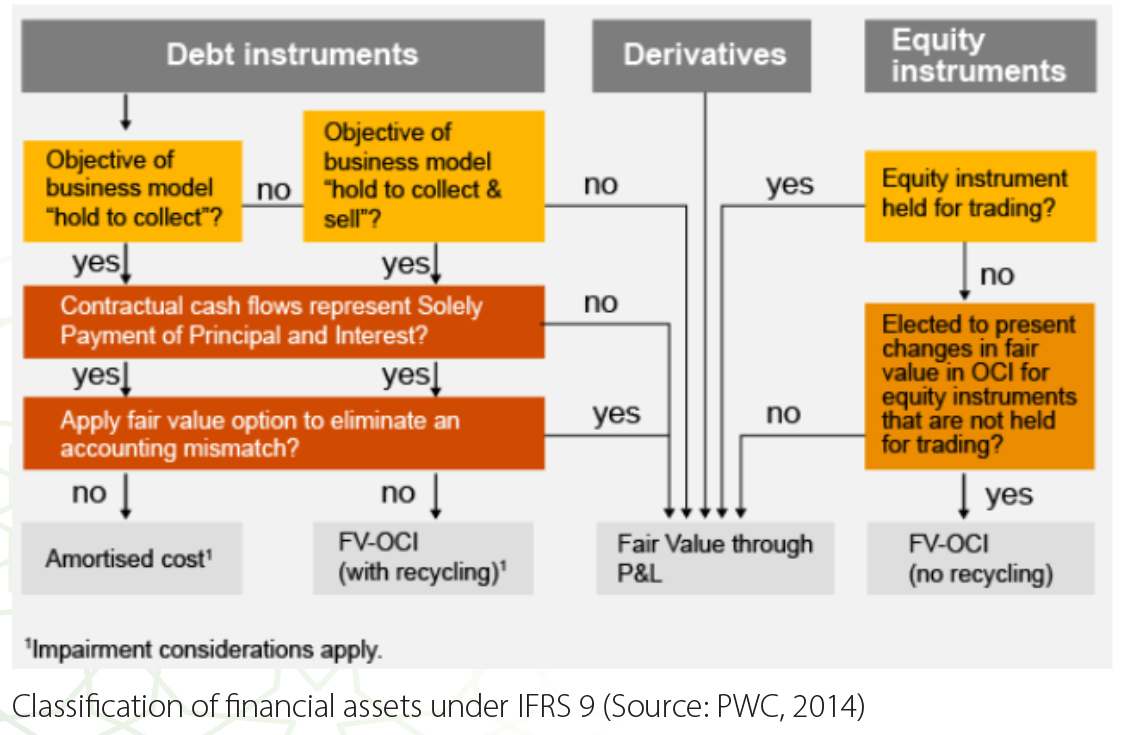
IFRS 9 and IFRS 17:
New Accounting Standards for Better Financial Reporting
IFRS 9, the new standards for Financial Instruments, sets out the
accounting principles for such instruments. The standard has been in force since January 1, 2018, but for listed insurance companies it became mandatory on January 1, 2023, at the same time as IFRS 17.
Under IFRS 9, financial instruments are to be classified according to
the following scheme.
In addition to Classification and Measurement, IFRS 9 also proposes a
new approach for Impairment of Financial Assets: Expected Credit Loss (ECL). The ECL model, which is
expected to allow for timely and more accurate recognition of credit losses, assumes a forward-looking
information approach rather than an incurred loss model.
As regards IFRS 17, which was a replacement to IFRS 4, it is an international financial reporting standard issued by IASB in May 2017 with an effective implementation date January 1, 2023. Its primary objective is to enhance transparency in the accounting for insurance contracts and improve comparability across different jurisdictions.
The new standard sets out principles for the recognition, measurement, presentation and disclosure of insurance contracts. It provides a clear definition of liabilities for future (i.e. remaining) coverage and liabilities for incurred claims. Under the general model (also called General Measurement Model-GMM or Building Block Approach-BBA), the insurance entity should consider three main elements (blocks):
- Estimates of the Fulfilment Cash Flows (FCF), discounted at a rate that prices in both time value of money and financial risks.
- The risk adjustment to compensate for bearing the uncertainty due to non-financial risks.
- The Contractual Service Margin (CSM), which is the unearned profit the insurer will be posting to the P&L over time as the insurance contract is serviced.
Better Financial Reporting but also …. More Challenges
The implementation of IFRS 9 comes with multiple challenges. Indeed, the insurance entity’s systems will need significant modifications and adjustments. For instance, the required ECL (Expected Credit Loss) model would require sophisticated procedures to make economic forecasts and assess EAD (Exposure at Default), PD (Probability of Default) and LGD (Loss Given Default) which requires human, technical, and financial resources. Additionally, integration of processes from various departments, mainly from investments and accounting, would most likely be required to ensure better data optimization and processing. All this will result in huge costs.
Similarly, IFRS 17 has also introduced significant operational complexity to the insurance world. It requires large volumes of spreadsheet calculations, huge data collection and preparation, substantial system integrations, and obviously very skilled people who would need to test, run, check, and validate sophisticated models. Significant resources have been spent on data, systems, actuarial models, accounting policy, or solution development to implement IFRS 17. All these resources come at a cost that will impact the performance of the insurance company.
Beyond these direct financial costs, which can be enormous, many insurers would still struggle for years to attain compliance rather than achieving true value creation to their shareholders. Some insurers opted to use solutions offered by external accounting service providers to separately run IFRS 17 models with less disruption to their existing finance, actuarial and accounting processes and systems. These toolboxes, usually available to run on the Cloud or on premises, would simply require data feed from the insurer. Among the problems that such solutions may cause is the one that would mainly mention data confidentiality and full dependency on external providers.
All the above challenges are visible and expected, and many insurers have already taken steps to handle them. There are, however, other consequences of the adoption of IFRS 9 and IFRS 17 that could lead to less apparent challenges. These ones, if not addressed properly, may cause serious issues to conventional and Takaful insurance operators. The next section briefly describes two of these “hidden” challenges triggered by the two new accounting standards.
New accounting standards and Strategic Asset Allocation considerations
By looking closely at the classification scheme proposed by IFRS 9, one would apprehend that the contractual cash-flow test and the business model assessment (required criteria for an amortized cost classification) are becoming key factors in deciding whether to invest in an instrument or not. This is obvious since failure in satisfying these two criteria will likely result in the financial instrument being classified in the residual group of Fair Value through Profit and Loss (FVTPL).
Following a classification of the financial instruments as per the IFRS 9 classification scheme, the Profit and Loss (P&L) as well as the Other Comprehensive Income (OCI) accounts of an insurance company can display large volatility, which may or may not be desirable. For instance, investments in mutual funds imply that the resulting revaluation gains or losses are to be posted to P&L. Such accounting treatment would not be desirable for insurers who prioritize the stability of their P&L accounts over time.
In such a context, fixed income securities passing the SPPI (Solely Payments of Principal and Interest) and the business model tests, and equity instruments elected to be accounted for at Fair Value through Other Comprehensive Income (FVOCI) would mostly find their way to the investment portfolios of insurers who are concerned about the P&L volatilities. On the contrary, for entities who are more concerned about the size of their equity on their balance sheet (i.e. those who seek stability in the OCI which is an equity reserving account) but less concerned about P&L volatility, then mutual funds, equity, and fixed income securities accounted for at FVTPL, would be more desirable.
As we can see, IFRS 9 may cause a kind of natural selection of asset classes that insurance companies need to account for. It is expected that IFRS 9 will trigger revisions and updates to investment strategies and Strategic Asset Allocation of insurers.
New Accounting Standards and ALM Considerations
IFRS 4 (the predecessor of IFRS 17) gave insurance companies, if they opt to, the possibility to value their insurance liabilities (contracts) at book value. Under IFRS 17, however, the valuation of the insurance contracts will take into consideration discounting factors and risk adjustments making it, to a much greater extent, based on market values.
Immediately, one could easily see that the new valuation of the insurance liabilities required under IFRS 17 introduces an element of “interest ratesensitivity” to the liability side of the balance sheet. It is then the role of the ALM to assess and mitigate this risk factor and take necessary actions.
One particular important element of IFRS 17 is that subsequent changes in the valuation of insurance liabilities due to market (discount) rates will normally flow into the P&L, unless the company opts to allocate the impact to the OCI instead of the P&L. Additionally, and as seen before, classification under IFRS 9 may also result in gains or losses attributed to P&L and/or OCI. Indeed, loans and receivables under IFRS 9 can be accounted for at amortized cost, FVPL, or FVOCI. Under any of the two latter cases, gains and losses are to be posted to either the P&L or the OCI accounts. Furthermore, and while equity investment can be accounted for at FVPL or FVOCI (election with no recycling), IFRS 9 stipulates that puttable instruments are to be accounted for at FVTPL.
Thus, when looking at these two standards together from an ALM perspective, it would be in the best interest of the insurance operator to simultaneously consider and align the accounting choices for the treatment of liabilities (changes due to interest rate posted to P&L or OCI) with those of the investments (assets) side. Treating insurance contracts at FVPL while accounting for assets at amortized cost for instance would appear less optimal and may result in higher P&L volatility in addition to a potential balance sheet mismatch.
What about ICIEC?
As ICIEC navigates the current dynamic economic landscape, and while encountering its inevitable challenges, the Corporation took necessary steps and measures to equip itself with strategies, policies, processes, and resources so as, to shape its trajectory towards excellence.
Indeed, ICIEC engaged in the preparation for IFRS 9 and IFRS 17 early enough to be ready for implementation and full compliance with both standards starting from January 2023. As such, internal taskforces were formed, external consultants (as needed) were hired, and timelines were defined to complete the preparation projects on time.
To optimize the ALM implications of the joint adoption of IFRS 9 and IFRS 17, the Corporation decided to enhance its organizational structure and governance framework so that the Finance Division, responsible for accounting and bookkeeping, can be in continuous communications with the Treasury & Investment Division, Risk Management Division, Underwriting Department and other relevant units within the Corporation.
Furthermore, a new Liquidity Policy, Investment Strategy, and an ALM framework have emerged for implementation in which IFRS 9 and IFRS 17 impacts were duly considered and assessed. Such a governance setup has ensured close coordination between business units and reinforces the strategy that ICIEC investment activities are creating value to its stakeholders.
An Impressive Legacy of Insurance Service Delivery

A Sound Building Block for Future Expansion and Engagement
Given ICIEC’s uniqueness in being the only Shariah-compliant multilateral insurer in the world, and this year marking its Pearl Jubilee of 30 years of operations, underwriting and service to its 40 member states, it is only timely that the Corporation articulates this compelling backstory as the foundation for its next three decades while at the same time helping to promote the credit and investment insurance culture in its 49 member states. Mohamud Hussein Khalif, General Manager of Underwriting Operations, and Yasser Alaki, General Manager of Business Development at ICIEC, give a legacy insight into the world of risk mitigation and credit enhancement, of credit and investment insurance culture, of navigating emerging risks, and the huge advances made by ICIEC in three decades in a cohort of manifold metrics, with a special focus on future priorities, strategies, innovations, delivery objectives, and standout achievements, and what needs to be done by IsDB member states and industry bodies to enhance the awareness, uptake and culture of credit and investment insurance in their economies.
ICIEC has made significant advancements in the credit and investment insurance landscape over the past three decades. As the only Shariah-based multilateral insurer in the world, it has played a crucial role in promoting trade and investment among IsDB (Islamic Development Bank) member states. Some notable achievements of ICIEC include:
- Expansion of Coverage: ICIEC has expanded its coverage to various segments of credit and investment insurance, including short-term trade credit, and medium and long-term investment insurance. This expansion has provided comprehensive risk mitigation solutions to support economic growth and development.
- Business Development: ICIEC has focused on business development initiatives to enhance the awareness and uptake of credit and investment insurance in member states. It has actively engaged with IsDB member states and industry bodies to promote the benefits of insurance, develop customized solutions, and facilitate capacity building programs.
To further enhance the awareness, uptake, and culture of credit and investment insurance in member economies, ICIEC member states and industry bodies can:
- Foster Collaboration: by encouraging collaboration between ICIEC and member states’ financial institutions, insurance companies, and industry associations to jointly promote credit and investment insurance and exchange best practices.
- Create Awareness: by conducting awareness campaigns to educate businesses, investors, and financial institutions about the benefits of credit and investment insurance. This can include workshops, seminars, and publications highlighting successful case studies and the positive impact of insurance on economic growth.
- Engage Regulatory Bodies: Through streamlining regulations and creating a conducive regulatory environment that facilitates the use of credit and investment insurance. This can involve simplifying procedures, reducing barriers, and providing incentives for businesses to adopt insurance solutions.
The current state of the credit and investment insurance landscape especially Takaful-based solutions in ICIEC member states, especially in an era of poly-crises and growing uncertainties and risks is at best evolving. ICIEC is cooperating with the AMAN UNION in this respect. But, in ICIEC member states, including advanced countries such as Saudi Arabia, UAE, Türkiye, Egypt, as well as countries in Africa and Asia, Takaful-based solutions in the credit and investment insurance landscape have gained traction. However, several challenges persist in underwriting transactions and projects. These challenges include:
- Policy Limitation: as seen in the limited availability and suitability of Takaful-based insurance policies that specifically cater to credit and investment risks. Developing comprehensive and tailored policies aligned with Shariah principles is crucial to address this challenge.
- Limited Market Penetration: due to limited awareness and understanding of Takaful-based credit and investment insurance among businesses and financial institutions. Increasing market awareness through targeted marketing campaigns, education, and training programs can help overcome this challenge.
- Credit Information and Structured Product Challenges: affects the potential of assessing creditworthiness, managing counterparty risks, and developing suitable products for complex transactions. Collaboration between ICIEC, member states, and industry stakeholders can address these challenges through the sharing of expertise, conducting risk assessments, and developing innovative products.
ICIEC’s cooperation with the AMAN UNION, the premier professional forum for commercial and non-commercial risk insurers and reinsurers within the member countries of the Organization of the Islamic Cooperation (OIC), can facilitate knowledge exchange, capacity building, and collaborative initiatives to address these challenges in underwriting transactions and projects – policy, market, credit, product, lack of reinsurance capacity – in member states, both in credit insurance advanced countries such as Saudi Arabia, UAE, Türkiye, Egypt and others in Africa and Asia.
Given the manifold emerging risks and tensions in the global geopolitical, economic, trade and investment, climate-related and catastrophic events landscape, it is inevitable that this is affecting the business side of credit and investment underwriting in terms of premiums, claims, claims ratio and insured exposure. ICIEC is adapting to mitigate and enhance its risk management strategy to meet these challenges head on. ICIEC’s forward-looking Risk Management strategy revolves around the following key considerations:
- In alignment with its multilateral status, ICIEC prioritizes achieving long-term sustainability by ensuring business continuity, portfolio and operational resilience, as well as capital preservation and optimization. This strategic approach not only aims to scale up developmental interventions for Member States (MSs) but also makes a significant contribution to IsDB Group’s overarching strategic directions.
- The enhancement of existing risk management frameworks to adeptly identify and manage emerging and strategic risks amongst others. It emphasizes fostering collaboration between economic sustainability and risk management functions to create a more integrated and responsive approach.
- Streamlining ICIEC’s focus on optimizing capital utilization through the implementation of forward-looking, risk-based capital planning. This ensures efficient allocation of resources and supports ICIEC’s overall financial resilience.
- Scaling up overall performance through the implementation of automated and tailored ERM architectures. This approach contributes to increased efficiency and effectiveness in addressing risks across ICIEC.
The defining issues and risks of the day include the ever-increasing need for climate action, sustainability, food security, infrastructure, and tackling disaster events. All stakeholders, especially in the financial services and underwriting sectors, have been urged to contribute more through resource mobilization and risk mitigation solutions. In this respect, ICIEC’s Board of Directors recently approved ICIEC’s Climate Change Policy which aims to mainstream Climate Action across ICIEC’s operations.
Climate Change, food security and sustainable development are inextricably linked through the water-food-energy nexus and ICIEC’s de-risking tools can make a positive contribution in all three areas. ICIEC has a crucial role in facilitating increased climate investment through de-risking climate action transactions and projects in its member countries.
De-risking through insuring non-payment due to commercial and political risk is needed across various value chains linked to procuring equipment and services for clean energy, agriculture and other activities linked to climate change resilience.
ICIEC is a member of the Berne Union’s Climate Working Group and signed an MoU with the Global Green Growth Initiative at COP28 which aims to develop innovative blended finance solutions that include de-risking for climate action in ICIEC member countries. Through its membership in the Energy Transition Accelerator Financing (ETAF) Platform, managed by IRENA, ICIEC is proactively engaging with partners to de-risk renewable energy projects and transactions.
Technology especially Generative AI, Tokenization and Blockchain apart from the normal online services including processing applications, payments and claims are set to be the game changer in most economic and financial services activities.
ICIEC recognizes the transformative potential of emerging technologies such as Generative Artificial Intelligence (AI), tokenization, and blockchain to enhance underwriting operations and business development and has set ways to integrate these technologies while adhering to Shariah-compliant underwriting and investment metrics as follows:
Implementation of ICIEC Takaful System (ITS)
Considering the Vision of the IsDB Group that explicitly recognizes the importance of Information Technology in improving the Group’s productivity and contribution to the IsDB Group Member Countries, ICIEC is in the last phases of deploying the ICIEC Takaful System (ITS) whose main objective is to enhance ICIEC’s institutional performance, capacity, and responsiveness in pursuit of its strategic objectives outlined in its Strategic Plan.
These objectives aim to increase the volume of intra-trade between member countries, attract investments, and promote Islamic Insurance Services and Solutions.
Adoption of Generative Artificial Intelligence (AI), Tokenization, and Blockchain
Following the deployment of the ITS, ICIEC will advance its digital strategy through major initiatives to adopt:
- Generative AI: Enhance risk assessment and underwriting by analyzing large datasets, detect fraud through anomaly and pattern detection in claims and transactions, and improve customer service with AI-driven chatbots and virtual assistants.
- Tokenization and Blockchain: Implement smart contracts for automated claims processing, enhance transaction transparency and security, and play a major role in ICIEC’s digital platform.
- Enhanced Online Services: Improve online platforms for seamless application, payment, and claim processing, utilize advanced encryption and security protocols to protect sensitive information, and expand mobile services to allow clients to manage their policies and claims from anywhere, increasing accessibility and convenience.
This is in addition to supporting the development of new products that leverage technology while adhering to Islamic principles. By embracing these technologies, ICIEC aims to enhance operational efficiency, improve customer experience, and maintain its commitments to Shariah-compliant practices. This strategic adoption positions ICIEC to better serve its Member Countries and support their economic development agendas.
In terms of business development, ICIEC’s most impactful policies and services have significantly contributed to international trade and economic development through various initiatives, including trade credit insurance, investment promotion, capacity building, and innovative risk mitigation strategies, and through innovations in terms of products, strategies, markets, technical education and market awareness, credit, and investment risk strategies.
These include:
- Trade Facilitation and Investment Promotion: ICIEC’s trade credit insurance has facilitated international trade by mitigating risks like non-payment and default, while its investment insurance has attracted foreign direct investment by covering political risks such as expropriation and currency inconvertibility.
- Capacity Building and Risk Mitigation: ICIEC has engaged in capacity-building initiatives to enhance stakeholders’ understanding of credit and investment insurance and developed innovative risk mitigation strategies, including Shariah-compliant products and support for green projects.
- Market Expansion and New Innovations: ICIEC has expanded its presence in Africa and Asia to support economic development and introduced new insurance products for emerging sectors to improve customer experience.
ICIEC’s outlook for its underwriting business and for developing new initiatives for the near-to-medium term remains cautiously encouraging. There are still 8 member states of the IsDB/OIC that have not acceded to ICIEC membership, so we have more work to do in this respect.
At ICIEC, we are committed to meticulously addressing our clients’ specific needs, ensuring that their distinct requirements and concerns are the cornerstone of our operational strategy. Consequently, ICIEC has undertaken a comprehensive revision of existing insurance/reinsurance policies and has been instrumental in formulating innovative products to meet our clients’ demands.
In the near future we will unveil two groundbreaking policies: the Fair and Unfair Calling of Bonds Insurance Policy and the Avalized Drafts Insurance Policy. These policies have undergone thorough deliberation and dilligence by our esteemed Product Development Committee and have received the endorsement of the IsDB Group Shariah Board. We have also engaged in constructive dialogues with external stakeholders, including policyholders, brokers, banks, and others, to refine these offerings.
The Fair and Unfair Calling of Bonds Insurance Policy is designed to provide contractors with robust coverage against both commercial and political risks associated with the issuance of various bonds, including bid, advance payment, and performance bonds, particularly for operations within ICIEC Member Countries.
The Avalized Documents Insurance Policy is tailored for use in international trade operations. Avalized bills of exchange and promissory notes are instruments commonly utilized by exporters, importers, and traders in documentary collection operations. Banks that are policyholders and in possession of avalized documents stemming from trade transactions will benefit from ICIEC’s comprehensive protection against the commercial and political risks posed by the avalizing bank/party.
Profile Interview Richard Wulff

The International Credit Insurance and Surety Association (ICISA), founded in 1928, is the first and leading trade association representing trade credit insurance and surety companies internationally. Its current members account for the great majority of the world’s private credit insurance business. The Schiphol, Netherlands headquartered Association also serves as an important platform for collaboration and the development of best practices in the industry. Today, with almost USD3 trillion in trade receivables insured and billions of dollars’ worth of construction, services and infrastructure guaranteed, ICISA members play a central role in facilitating trade and economic development on all five continents and practically every country in the world. In an exclusive interview, Richard Wulff, Executive Director of the International Credit Insurance and Surety Association (ICISA), discusses the current state of the credit and investment insurance landscape, the potential impact of manifold risks emerging in the global geopolitical, trade and investment landscape, the significance of the recent strategic collaboration signed between ICISA and the AMAN UNION to advance credit and investment insurance initiatives in member states common to both, and despite talk of deglobalization and fragmentation, why he maintains that trade and credit insurance remains one of the binding factors of our world and the way to bring people together.
ICIEC Newsletter: What is the current state of the credit and investment insurance landscape especially in an era of polycrises and growing uncertainties and risks? Is there room for much greater collaboration between government insurers through state-owned insurers and ECAs, and private sector re/insurers?
Insurance & Surety Association (ICISA)
The current landscape of credit insurance is marked by significant uncertainty and heightened risks due to a multitude of overlapping crises, often referred to as polycrises. These include geopolitical tensions, such as trade wars and regional conflicts, economic instability characterized by fluctuating markets and recession threats, and environmental challenges like climate change and natural disasters
In this complex environment, there is indeed substantial room for enhanced collaboration between government insurers, including state-owned entities and Export Credit Agencies (ECAs) and Development Financial Institutions (DFIs), and private sector re/insurers. Such collaboration can lead to the development of more comprehensive risk mitigation strategies by leveraging the strengths of both sectors
Government insurers and multi-lateral institutions bring stability and regulatory support, while private insurers contribute agility and innovative risk management solutions. By sharing expertise, pooling resources, and engaging in public-private partnerships, the industry can better address the increasing complexity of global risks, improve market penetration, and provide more robust support for businesses navigating these diverse challenges.
Another example of public-private partnership is found on the reinsurance market. Government and multi-lateral institutions utilize the reinsurance market to increase the capacity that these institutions can bring to their clients. Reinsurers tend to be inclined to reinsure projects insured by the public market because of the government-to-government relations the public institutions have.
Trade Credit Insurance – Premiums, Claims and Claims Ratio ICISA Members (excl reinsurance members)
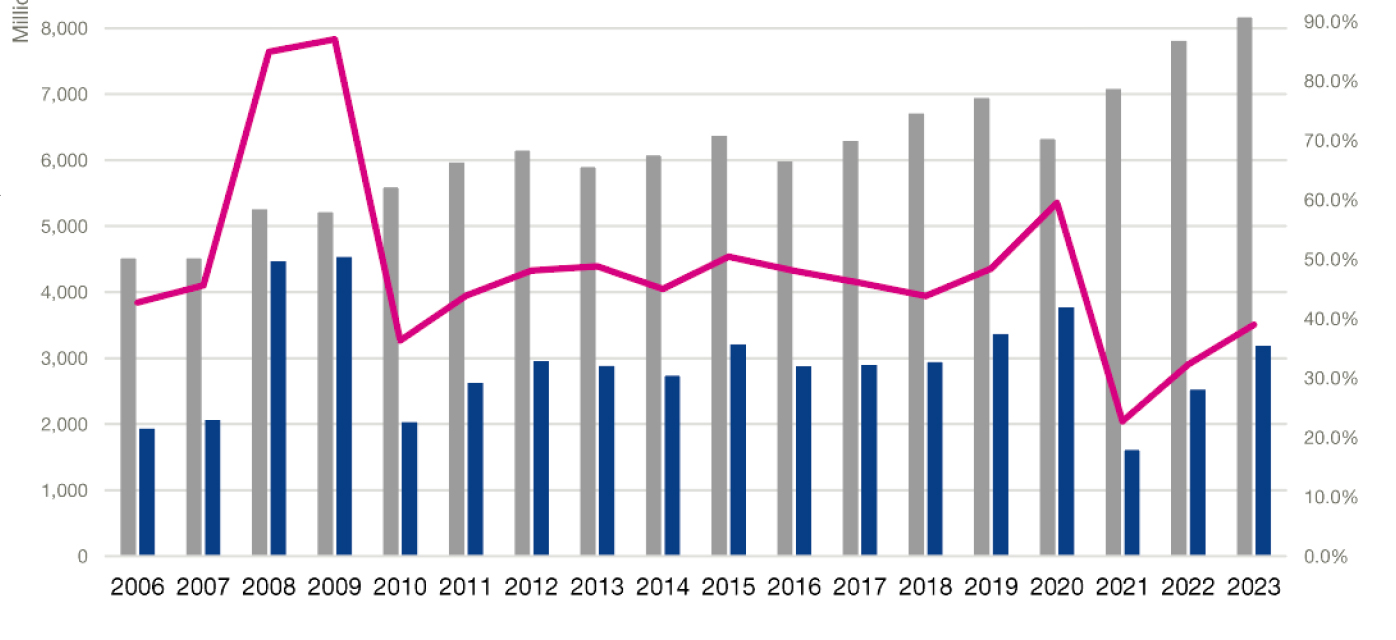
Given the manifold risks and tensions in the global geopolitical, economic, trade and investment, climate-related and catastrophic events landscape, how is this affecting the business side of credit and investment underwriting in terms of premiums, claims, claims ratio, and insured exposure?
The myriad of risks and tensions in the global landscape—ranging from geopolitical and economic upheavals to climate-related and catastrophic events — may have profound effects on the credit underwriting business. ICISA members, in response to heightened risk levels, have had to adjust their premiums upwards to adequately reflect the increased uncertainties.
This risk-sensitive pricing ensures that insurers can maintain solvency and continue providing coverage. We have seen over the past years since COVID, that the insured exposure has increased by more than 25% since 1-1-2022. This has led to the claims ratio stabilizing at a sustainable levels, comparable to the level before COVID. This is also due to insurers continuously reassessing their risk models and pricing strategies, incorporating more sophisticated data analytics to stay financially stable and responsive to client needs in this dynamic environment.
Credit and investment insurance provision is rightly or wrongly perceived as operations largely prevalent in the developed and in high-and-middle-income emerging markets. The culture of credit insurance in developing countries for manifold reasons at best is fragmented, underdeveloped and perhaps undervalued. What is ICISA and other industry bodies doing to ‘democratize’ credit and investment insurance and its reach beyond traditional markets?
ICISA and other industry bodies are undertaking concerted efforts to democratize credit insurance, extending its benefits beyond traditional high-income markets to developing countries where the sector is often fragmented and undervalued. A prime reason for this is the well-publicized financing gap in the developing world.
One of the major reasons why (especially small and medium-sized) companies in the developing world have issues in getting financing from financial institutions to support their business is that they have little “hard collateral” to offer to the financier as security. A credit insurance policy written by a highly rated credit insurance company is the collateral that is needed so badly.
Initiatives Include:
Providing resources to local insurers to enhance their understanding of Trade Credit Insurance. This includes sharing best practices to improve the overall quality of insurance services offered in these regions.
Working closely with regional organizations and financial institutions to increase awareness about the value of trade credit insurance. By partnering with these entities, ICISA aims to foster a better understanding of credit insurance among businesses and policymakers, highlighting its role in facilitating trade and investment.
Conducting educational campaigns and workshops to inform businesses in developing markets about the benefits of credit insurance. These efforts are designed to dispel myths and misconceptions, demonstrating how credit insurance can protect against non-payment risks and support business growth. An example of these campaigns is the Trade Credit Insurance Week, which is a yearly celebration of trade credit insurance sector. This year, the third edition will be hosted, between 7 – 11 October, with 8 online sessions with free registration. Find out more about this initiative on www.icisa.org.
Through these strategies, ICISA aims to create a more inclusive and accessible credit insurance market, helping businesses in developing countries to manage risks effectively and participate more fully in the global economy.
ICISA recently signed an MoU with the AMAN UNION to advance credit and investment insurance initiatives in the latter’s member states. Can you expand on how you see this collaboration unfolding? What are the priorities and expectations under the MoU?
The MoU signed between ICISA, and the AMAN UNION represents a significant step towards enhancing credit and investment insurance initiatives within the member states of both organizations.
This collaboration is expected to unfold through several key avenues:
i. Exchange of Best Practices: Facilitating the exchange of best practices and experiences between ICISA and AMAN UNION. This knowledge-sharing will help both organizations enhance their operational efficiencies and service offerings, benefiting member states.
ii.Market Development Initiatives: Identifying and promoting opportunities for market development and expansion. By working together, ICISA and the AMAN UNION can help with the promotion of TCI products in developing countries.
iii. Policy Advocacy: Collaborating on policy advocacy efforts to create a better regulatory environment for credit and investment insurance, by working together with policymakers to highlight the importance of supportive regulations and incentives that can drive the growth of the insurance sector.
This partnership between ICISA and the AMAN UNION aims to create a more resilient and inclusive insurance market that supports economic growth and stability.
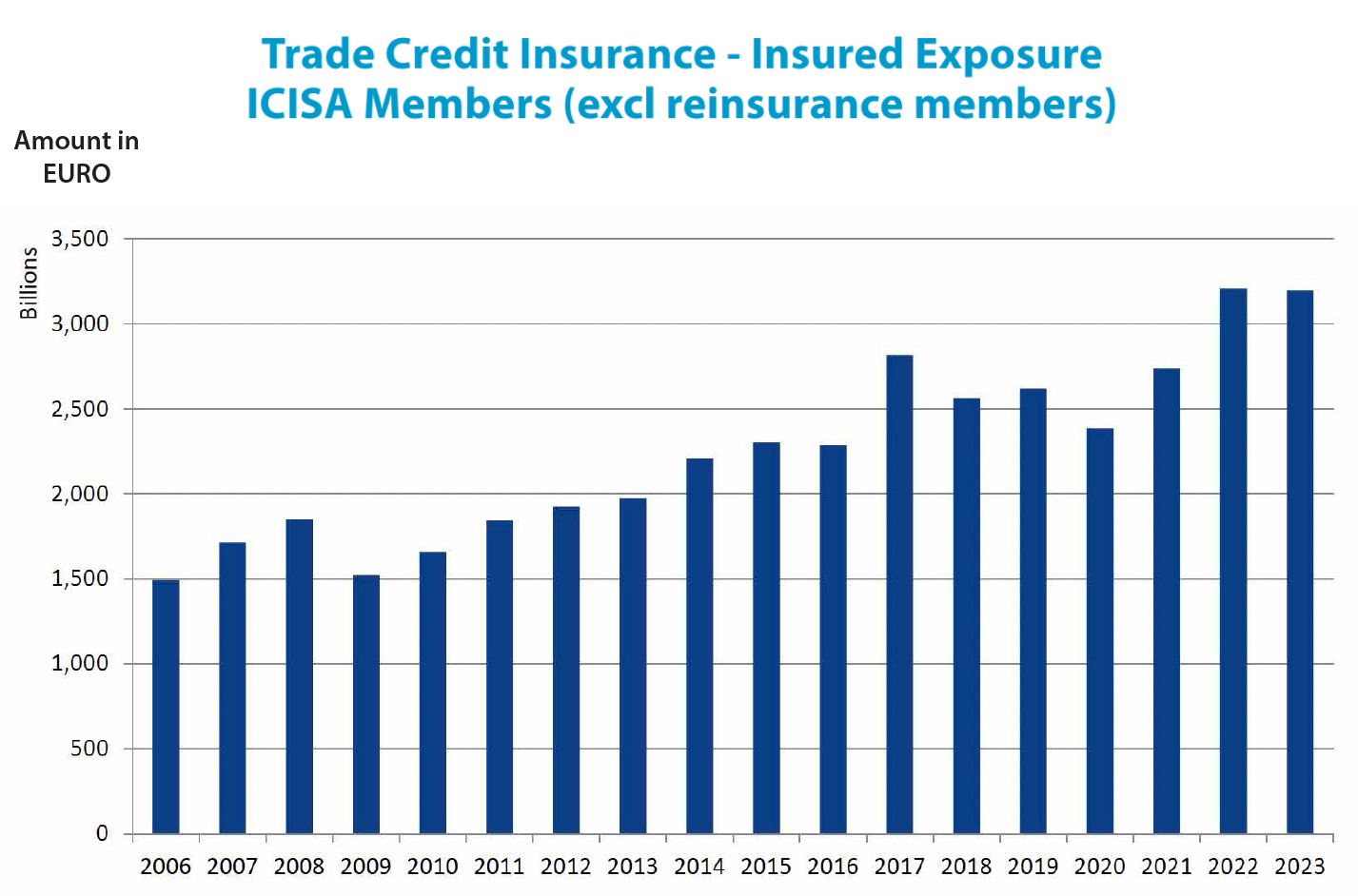
How do you see the prospects for the credit and investment insurance industry over the near-to-medium term? What are the most challenging evolving and future risks the industry is faced with especially in relation to trade and FDI flows and disruptions, financing infrastructure, climate action and food supply chain gaps?
We see trade credit insurance remaining an essential part of the landscape. Short-term credit insurance covers just shy of 15% of the annual value of world-wide trade. It is an essential part of doing business and affording (end) customers credit terms and offering security to financiers.
Whereas there is much talk of deglobalization, trade remains one of the binding factors of our world and the way to bring people together. Credit insurance is one of its facilitators, and therefore here to stay.
Global Trade Shows Resilience, amid Subdued GDP Outlook and Geopolitical Tensions

Sometimes the devil is not in the detail but lurking in the divergent metrics of the global gatekeeper organisations supposed to stabilise them. When it comes to global trade metrics – finance, digitisation, insurance, and partnerships – it is no exception. Perhaps the ‘Steady but Slow: Resilience amid Divergence’ banner of the IMF’s World Economic Outlook (WEO) unveiled at the Spring 2024 Annual Meetings in Washington DC in April was no coincidence.
The Fund projects world trade growth at 3.0% in 2024 and 3.3% in 2025, with revisions of a 0.3 percentage point decrease for 2024 and 2025 compared with its January 2024 projections. Trade growth is expected to remain below its historical (2000–19) annual average growth rate of 4.9% over the medium term, at 3.2% in 2026. This projection implies, in the context of the relatively low outlook for economic growth, a ratio of total world trade to GDP (in current dollars) that averages 57% over the next five years, broadly in line with the evolution in trade since the global financial crisis in 2008.
However, warns the IMF, even as world trade-to-GDP ratios remain relatively stable, significant shifts in trade patterns are taking place, with increasing fractures along geopolitical lines, especially since the start of the war in Ukraine in February 2022, leading to greater trade protectionism even among allied blocs in an increasingly fragmented global economic ecosystem. Indeed, says the IMF, growth in trade flows between geopolitical blocs has declined significantly since then compared with growth of trade within blocks. “This reallocation of trade flows is occurring in the context of rising cross-border trade restrictions, with about 3,200 new restrictions on trade in 2022 and about 3,000 in 2023, up from about 1,100 in 2019, according to Global Trade Alert data, and increased concerns about supply chain resilience and national security,” added the IMF.
In contrast, according to the World Trade Organisation (WTO), the volume of world merchandise trade should increase by 2.6% in 2024 and 3.3% in 2025 after falling by 1.2% in 2023. Similarly, regional conflicts, geopolitical tensions, and economic policy uncertainty pose substantial downside risks to the forecast. The expectation is that inflationary pressures in many countries will abate in 2024 leading to a recovery in demand especially in the developed economies. There is the issue of fiscal, and policy drag, which can take years to work through – hence the feeling of an ongoing cost-of-living crisis despite the claims of remedial actions.
In contrast still, the UN Trade and Development’s (UNCTAD) latest Trade and Development Report Update in April 2024, reiterates that the contraction of international merchandise trade in a context of global economic expansion in 2023 is unprecedented in recent times. But since then, “two further negative shocks have hit maritime routes, the backbone of international merchandise trade. Both relate to shipping disruptions in key arteries of maritime transport: the Panama Canal and the Red Sea. The first one affected by a prolonged drought which forced the reduction in crossings, and the second one affected by attacks on shipping in the wake of the war in Gaza which compelled major ocean carriers to suspend Suez transits and to reroute through the Cape of Good Hope, adding between 12 and 20 days of transport and therefore freight costs and rising consumer prices.
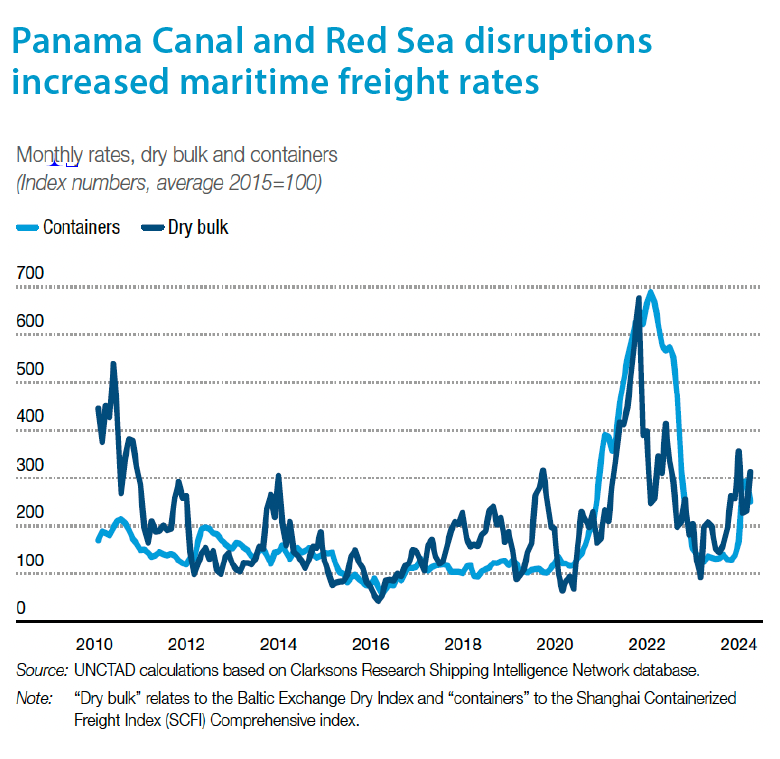
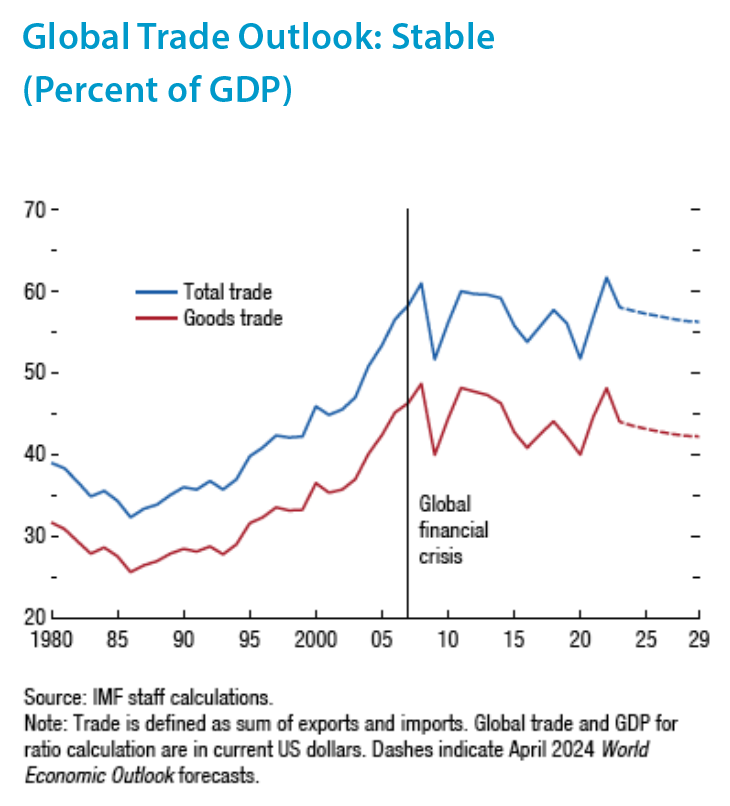
The growth of merchandise trade, overall, is expected to remain subdued in 2024, albeit prospects for trade in services in 2024 look brighter even if a slowdown in some of its components cannot be ruled out. Trade like any other sector is beholden to a range of interlinked risks and uncertainties – sovereign debt levels, higher global interest rates, inflation management, calls for protectionism, continuing trade tensions and rising political uncertainty. This suggests meagre improvement in 2024 for trade in goods and services.
Total goods and services trade was only down 2%. An encouraging development for services was the global exports of digitally delivered services, which reached USD4.25 trillion in 2023, up 9% year-on-year, accounting for 13.8% of world exports of goods and services.
The value of these services — meaning services delivered digitally across borders through computer networks and encompassing everything from professional services to streaming of music and videos and including remote education — surpassed pre-pandemic levels by over 50% in 2023.
GDP Growth and Trade – a Volatile Relationship
The relationship between trade and GDP growth (output) is well established, although it can be tempestuous, volatile, unpredictable, and even stable depending on the prevailing and looming national, regional, and global macroeconomic indicators and trends.
UNCTAD expects a further growth deceleration in global GDP growth in 2024 to 2.6%, slightly slower than in 2023. This makes 2024 the third consecutive year in which the global economy will grow at a slower pace than before the pandemic, when the average rate for 2015–2019 was 3.2%.
The UN body remains very critical of the obsession of the G7 countries with containing inflation. “Policy discussions continue to centre on inflation, conveying confidence that anticipated monetary easing will heal the world’s economic woes. Meanwhile, the pressing challenges of trade disruptions, climate change, low growth, underinvestment, and inequalities are growing more serious,” it lamented in its April Trade and Development Report Update.
It remains concerned that growth was largely driven by private consumption funded largely by debt in both private and public sectors. This, says UNCTAD, has led to a mismatch “between seeking financial market stability and attaining other macroeconomic goals.” Prioritizing the stability of the financial markets tends to have a negative impact on funding for the public sector, as government deficits are frequently chastised by bond markets and international financial institutions. Fast value creation by the financial markets benefits the holders of financial assets while crowding out fixed investment. Not surprisingly, observes UNCTAD, private investment globally in 2023 performed dismally and a worse one is projected for 2024.
In contrast, the IMF’s April 2024 WEO estimates global growth at 3.2% in 2023, which is projected to continue at the same pace in 2024 and 2025. The forecast for 2024 is revised up by 0.1 percentage point from the January 2024 WEO Update. “The pace of expansion,” notes the Fund, “is low by historical standards, owing to both near-term factors, such as still-high borrowing costs and withdrawal of fiscal support, and longer-term effects from the COVID-19 pandemic and Russia’s invasion of Ukraine, weak growth in productivity, and increasing geo-economic fragmentation.
At the same time, the WTO in its April “Global Trade Outlook and Statistics” report estimates global GDP growth at market exchange rates will remain mostly stable over the next two years at 2.6% in 2024 and 2.7% in 2025, after slowing to 2.7% in 2023 from 3.1% in 2022. The contrast between the steady growth of real GDP and the slowdown in real merchandise trade volume is linked to inflationary pressures, which had a downward effect on consumption of trade-intensive goods, particularly in Europe and North America.
Forecasts for Global GDP and GDP per Capita (Percent; five-year-ahead projections)
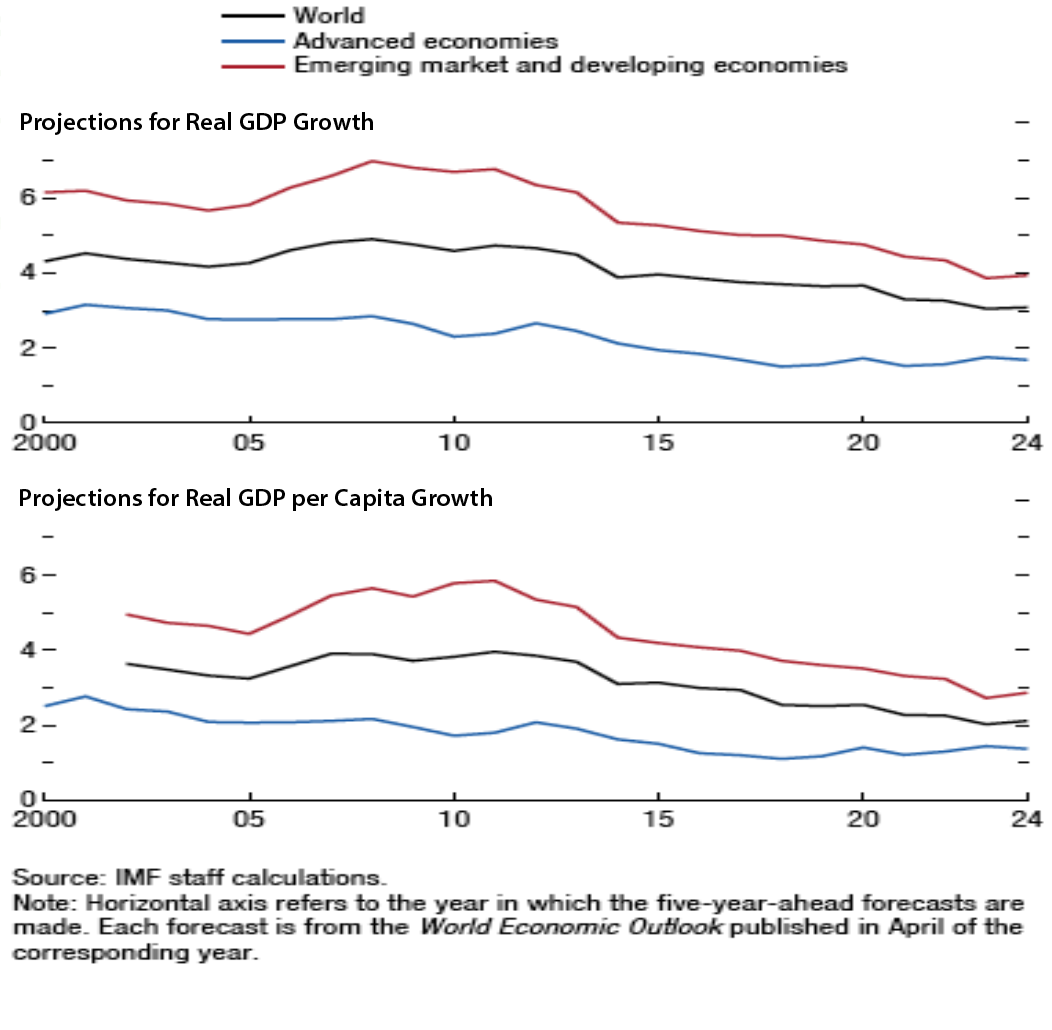
Regional Trade Outlook
One of the core mandates of COMCEC, the Organisation for Islamic Cooperation (OIC), and the Islamic Development Bank (IsDB) Group specifically requires all three institutions to promote intra-OIC trade and foreign direct investment (FDI) flows in their Member States. In fact, COMCEC has set a target of reaching 25% of intra-OIC trade by 2025.
The IsDB marks its 50th Anniversary and ICIEC its 30th Anniversary in 2024. The fact that intra-OIC trade and investment have not even hit 25% of their total exports and imports and FDI flows suggests what an uphill struggle it remains for Member States to upscale their bilateral and multilateral trade and investment flows.
The reasons are manifold. There is a fundamental mismatch and dissonance between the OIC economies, ranging from the wealthiest nations in terms of GDP per capita to some of the poorest nations on earth, especially in Sub-Saharan Africa and South Asia.
The huge economic disparities between the various segments of OIC cohorts exacerbate a multitude of challenges, of which intra-OIC trade and investment is high on the agenda.
Merchandise trade of LDCs, 2019-2023 Billion USD and % shares
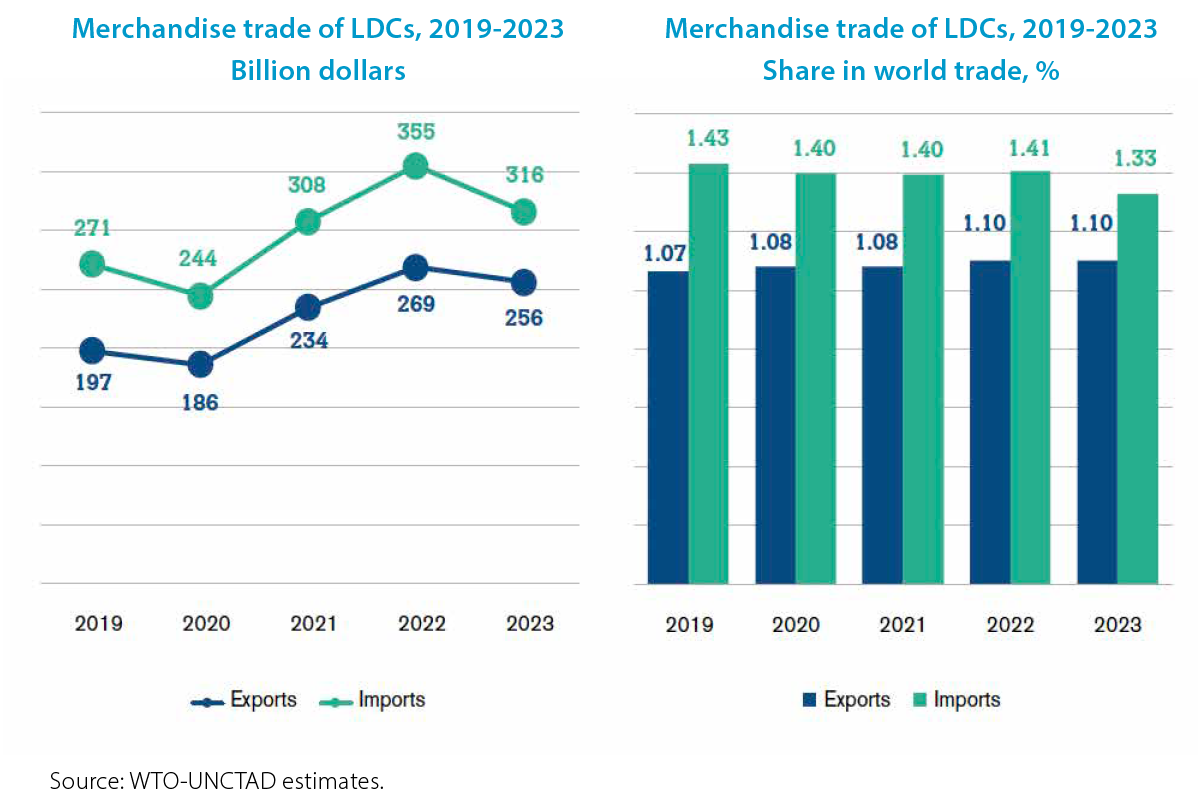
ICIEC serves its mandate by providing risk mitigation and credit enhancement solutions to Member States’ exporters selling to buyers across the world, and to investors from across the world investing in Member States. ICIEC also supports international exporters selling to Member States if the transactions are for capital goods or strategic commodities. In this context, ICIEC’s intervention through the provision of export credit and political risk insurance is more crucial than ever to support Member States in securing strategic commodities and fostering cross-border trade and investments.
Intra-Trade and Intra-Investment Facilitated for OIC Member States During 2019 to 2023 (USD million)
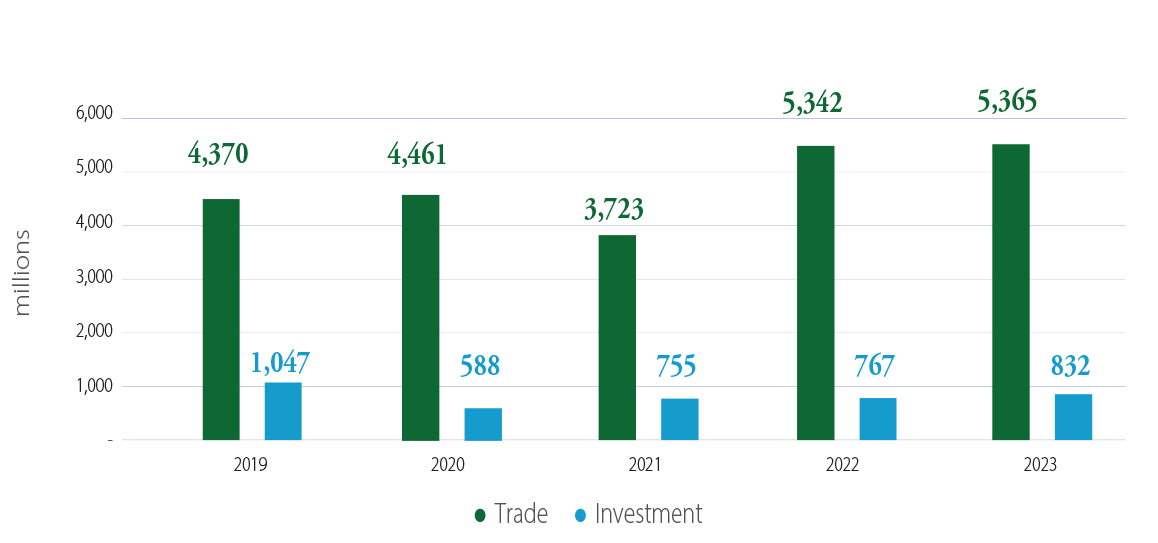
According to the ICIEC 2023 Annual Report, intra-OIC trade increased from USD 4,370 million in 2019 to USD 4,461 million in 2020, reaching USD 5,365 million in 2023. Similarly, intra-OIC investments increased from USD 1,047 million in 2019 to USD 832 million in 2023.
Given that the intra-OIC trade and investment base is very low, the pathway to increased intra-OIC trade and investment flows assumes even greater challenges. The IsDB Group, including ICIEC with its risk mitigation and credit enhancement tools, can only contribute measuredly to boosting OIC trade and investment, as the Group must contend with competing priorities and demands on their finite resources.
Major Member States by Export Business Facilitated in 2023 (USD million)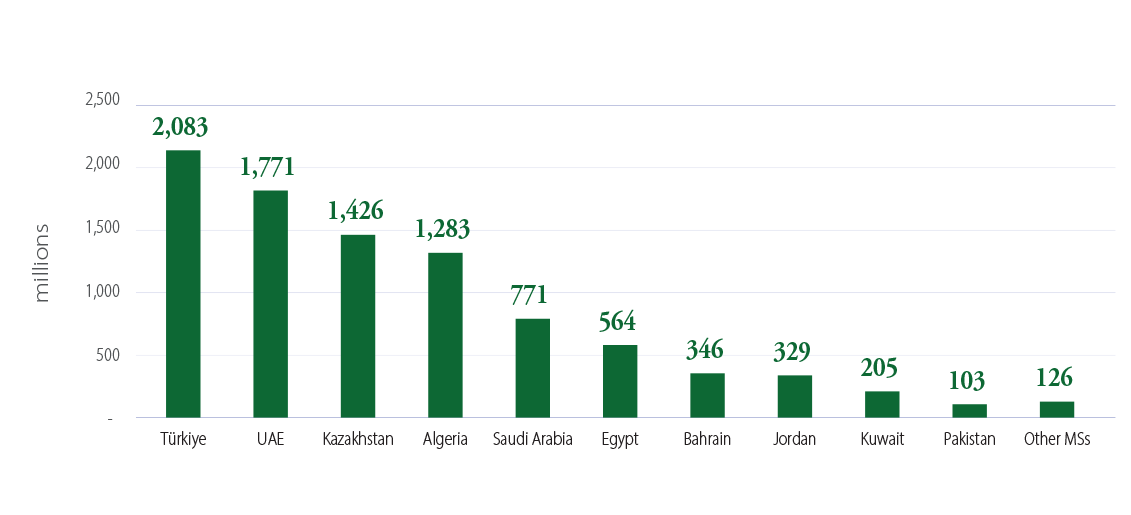
Major Member States by Import Business Facilitated in 2023 (USD million)
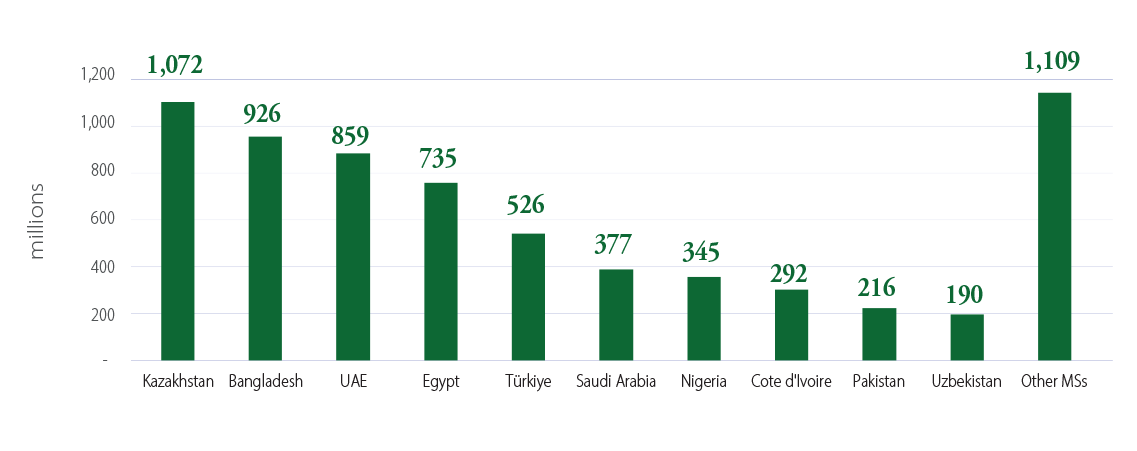
Governments, corporates, banks, and credit insurers can do much more to give intra-OIC trade and investment traction and a boost. They should ensure that their regulations, seamless strategies, and trade and investment incentive packages are in place, going beyond traditional bilateral and multilateral MoUs and cooperation agreements.
OIC Trade Snapshot
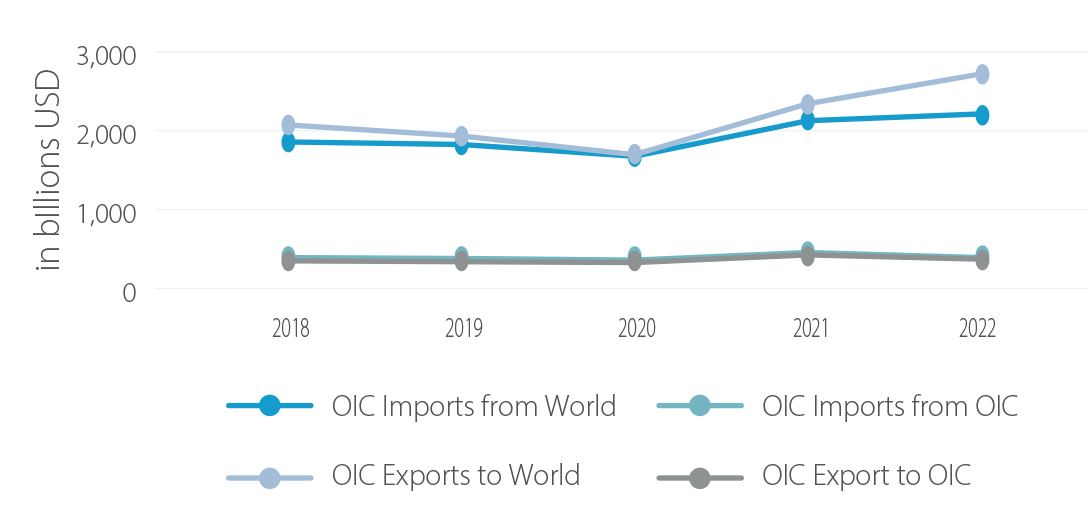
The usual caveats are the low sovereign credit rating, poor or nonexistent regulatory frameworks, the lack of facilitating institutions and qualified human capital, a lack of credit insurance market awareness and education, in conjunction with increased geopolitical risks including conflict, climate change, governance issues and natural disasters. The question remains how to mitigate this huge disequilibrium in OIC economies, their natural resource and commodities strengths and weaknesses, and a spate of associated metrics.
ICIEC’s involvement in intra-OIC trade and investment is commendable – facilitating USD51billion in intra-OIC trade and investment since inception. But the latest data for FY2023 shows that there is much room for improvement despite the various barriers to boost such facilitation. Most of the export business facilitated in 2023 came from six countries – Türkiye, UAE, Kazakhstan, Algeria, Saudi Arabia, and Egypt, with Türkiye alone accounting for USD2,083 million.
Intra-OIC trade and investment have the potential to be a gamechanging facilitator to lead the OIC economies into recovery from the impacts of the pandemic era, the subdued global economic recovery, and the vagaries of geopolitical tensions and their impacts on commodities price volatility, sovereign indebtedness, a global cost-of-living crisis and a break on reaching the UN SDG and Paris Net Zero targets – all of which affect developing countries including the IsDB ones disproportionately.
According to the ICIEC 2023 Annual Report, a deeper dive into intra OIC trade dynamics reveals an intriguing paradox. While 2021 marked a zenith for intra-OIC imports at 436.0 billion, a subsequent contraction to 365.4 billion in 2022 raises pertinent questions about the internal trade synergies and potential barriers within the OIC ecosystem. Similarly, the export narrative mirrors this trend, with intra-OIC exports peaking in 2021 but retracting in 2022. The retraction, however, is almost certainly due to the pandemic, the Ukraine conflict supply chain impacts, and the slow global economic recovery.
Outlook and Drivers
WTO Director-General Ngozi Okonjo-Iweala maintains that “we are making progress towards global trade recovery, thanks to resilient supply chains and a solid multilateral trading framework — which are vital for improving livelihoods and welfare. It’s imperative that we mitigate risks like geopolitical strife and trade fragmentation to maintain economic growth and stability.” Already some governments have become more skeptical about the benefits of trade and have taken steps aimed at reshoring production and shifting trade towards friendly nations.
However, her Chief Economist Ralph Ossa warns that “while the trade environment is clearly challenging, we should not paint too dark a picture of international trade. The volume of world merchandise trade was essentially flat throughout 2023, and the 1.2% decline in 2023 is relative to 2022. In fact, it was up 6.3% compared to the pre-pandemic peak in the third quarter of 2019, and up 19.1% compared to 2015. These figures emphasize the resilience of international trade.”
The global trade outlook for 2024 nevertheless remains subject to significant uncertainties. Persistent geopolitical tensions, rising shipping costs, and high levels of debt weighing on economic activity in many countries may still exert negative influences on global trade.
According to UNCTAD’s Global Trade Update in March 2024, some of the most relevant factors influencing global trade in 2024 and beyond include:
• Positive economic growth, but with significant disparities. Global forecasts for GDP growth remain at around 3% for 2024, but these still fall below historical averages. Furthermore, substantial disparities persist among countries and regions in terms of their anticipated economic outlook for the upcoming year. Such disparities will influence patterns of trade.
• Strong demand for both container shipping and raw materials.
During the last few months, there has been increasing demand for container shipping, as reflected by the strong increase in the Shanghai Containerized Freight Rate Index and the Baltic Dry Index on the back of a rise in global demand for raw materials.
• Commodity prices volatility. Ongoing geopolitical tensions and regional conflicts could renew volatility in energy and agricultural markets. Additionally, the increasing importance of secure access to critical minerals for the energy transition is expected to affect prices and further contribute to market volatility in these commodities.
• Lengthening of supply chains. Global trade is being influenced by the response of supply chains to shifts in trade policy and geopolitical tensions.
• Increase in subsidies and trade restrictive measures. The prioritization of domestic concerns and the urgency of meeting climate commitments are driving changes in industrial and trade policies. Trade restrictive measures and inward-looking industrial policies are anticipated to negatively impact on the growth of international trade.
• Shipping routes disruptions. Geopolitical tensions are also causing disruptions in shipping routes, particularly those related to the Red Sea and Suez Canal. Moreover, efforts to maintain water levels in reservoirs supplying the Panama Canal are anticipated to continue reducing passages in 2024. These events are driving up shipping costs,
extending voyage durations, and disrupting supply chains.