Navigating the Future: The UAE's Digitalization and Technology Adoption Strategy Unveiled
In the realm of economic recovery, resilience, de-risking, and inclusive growth, the United Arab Emirates (UAE) stands as a pioneering force, steering its trajectory through a robust Digitalization and Technology Adoption Strategy. Here Raphael Fofana, Acting Head of the UAE office of the Islamic Corporation for the Insurance of Investment and Export Credit (ICIEC) in Dubai, delves into the transformative journey the UAE is undertaking in leveraging technology for a prosperous and inclusive future.
At the core of the UAE’s digital transformation lies a ground-breaking shift in e-Government initiatives catalysed by the visionary Smart Dubai project. This strategic undertaking represents more than a technological evolution; it signifies a reimagining of governance, where advanced technologies such as artificial intelligence (AI) and blockchain are seamlessly integrated into public services. The Smart Dubai initiative stands as a testament to the nation’s commitment to innovation, efficiency, and transparency.
Artificial intelligence, with its advanced algorithms and machine learning capabilities, is revolutionizing governmental processes. Tasks are not only automated but optimized for precision, enhancing the overall efficacy of public service delivery. Concurrently, the integration of blockchain technology ensures the security and integrity of critical government data. Its decentralized nature creates an immutable ledger, instilling a new level of trust and setting unprecedented benchmarks for data reliability and security.
This digital evolution is not confined to efficiency gains alone; it is reshaping the very essence of governance by fostering transparency and accessibility. By making information readily available to the public, the UAE is setting new standards for open governance, where citizens can scrutinize government actions, fostering a culture of accountability. As ICIEC actively collaborates with government entities, our mission harmoniously aligns with the UAE’s vision, contributing to an ecosystem where advancements in e-Government become catalysts for economic growth and robust investment protection.
Insurtech Revolution
The UAE’s unwavering commitment to technological innovation is notably evident in the insurance sector, where the convergence of insurance and technology, commonly referred to as Insurtech, is orchestrating a transformative shift. Insurtech has emerged as a dynamic force, reshaping the traditional landscape by integrating advanced technological solutions. Key among these advancements is the utilization of data analytics, which empowers insurers with the tools to conduct precise risk assessments.
This analytical prowess enables a more nuanced understanding of potential risks, enhancing decision-making processes and ultimately fortifying the resilience of the insurance sector in the face of evolving and complex risks.
Moreover, the adoption of blockchain technology within Insurtech initiatives brings an additional layer of security and transparency to insurance transactions. Blockchain ensures the integrity of contracts and facilitates secure, tamper-proof record-keeping, thereby fostering trust among stakeholders.
In this landscape of rapid technological evolution, Insurtech stands as a strategic frontier, embracing innovation to streamline operations, improve efficiency, and offer tailored solutions to the dynamic needs of businesses and individuals alike.
As a pivotal player in the realm of investment insurance, ICIEC is acutely aware of the transformative role technology plays in the de-risking process. Embracing these technological advancements aligns with our mission of supporting sustainable economic development by providing robust insurance solutions. In recognizing the synergies between Insurtech and investment protection, ICIEC continues to contribute significantly to the resilience and innovation of the insurance sector within the UAE and beyond.
Government Agencies, SWFs, and Development Banks
The UAE’s strategic vision extends beyond individual efforts to encompass a collective, collaborative approach that actively engages government agencies, sovereign wealth funds (SWFs), and development banks. This concerted effort reflects a commitment to fostering an environment conducive to growth and innovation. The collaboration between these entities forms a synergistic alliance, pooling resources and expertise to drive transformative initiatives that propel the nation forward.
In this collaborative landscape, government agencies play a pivotal role in setting the strategic direction, crafting policies, and providing regulatory frameworks that facilitate innovation and sustainable growth. Sovereign wealth funds, as strategic financial vehicles, contribute substantial resources to fuel economic development projects. Development banks, with their focus on financing initiatives that promote long-term economic growth, complement this synergy by providing crucial funding and expertise.
ICIEC actively participates in and mirrors this collective effort through collaborative endeavors with government bodies. Our collaboration aligns seamlessly with the overarching national strategy, working hand in hand to safeguard investments and encourage economic development. By forging these partnerships, ICIEC contributes to the nation’s economic resilience, fostering an environment where collective innovation and collaboration lay the foundation for sustained growth and prosperity. This collaborative model not only amplifies the impact of individual initiatives but also exemplifies the UAE’s dedication to a holistic and inclusive approach to national development.
Banking Sector’s Digital Leap
The pervasive digital transformation sweeping across industries has reached the very heart of the financial sector, inducing a profound shift within the banking industry. This transformative journey encompasses a spectrum of advancements, ranging from the ubiquity of mobile banking to strategic fintech partnerships, as financial institutions actively embrace technology to redefine their service offerings. The motive behind this shift is clear – to provide more efficient, secure, and customer-centric financial services that align with the expectations of a digitally savvy clientele.
Mobile banking has become a cornerstone, empowering customers with the convenience of managing their finances on-the-go. Simultaneously, strategic collaborations with fintech entities inject innovation into traditional banking practices, fostering a dynamic landscape that adapts to the evolving needs of the modern market. These technological integrations not only enhance operational efficiency but also elevate the overall customer experience.
The alignment of ICIEC’s mission with this financial sector transformation is palpable. As a key player in investment insurance, ICIEC recognizes the symbiotic relationship between its mission and the ongoing digitalization in banking. The digital transformation contributes significantly to the de-risking of financial transactions, introducing sophisticated risk management mechanisms that bolster the security and integrity of investment activities. In turn, this proactive embrace of technology within the banking sector promotes investment protection, aligning seamlessly with ICIEC’s commitment to facilitating sustainable economic development through robust insurance solutions.
Credit and Investment Insurers in the Digital Era
Within the intricate fabric of the economic resilience framework, credit and investment insurers emerge as pivotal players actively harnessing the power of digitalization. This strategic integration of advanced technologies is instrumental in reshaping traditional approaches, focusing on streamlining processes, enhancing risk assessment methodologies through data analytics, and ensuring agile responses to the ever-evolving challenges within the dynamic economic landscape.
The digitization of credit and investment insurance processes introduces unprecedented efficiencies. By automating and optimizing workflows, insurers can provide quicker, more responsive services, reducing turnaround times and enhancing the overall customer experience. The utilization of data analytics amplifies risk assessment capabilities, enabling a more nuanced understanding of potential risks and allowing for tailored, data-driven solutions that resonate with the specific needs of businesses and investors.
In this digital era, where economic landscapes are characterized by rapid changes and uncertainties, the commitment to innovation is paramount. ICIEC exemplifies this commitment by mirroring the industry’s embrace of digitalization. We actively engage in providing comprehensive insurance solutions that align seamlessly with the digital aspirations of our stakeholders. Through technology-driven initiatives, ICIEC not only fortifies its role as a key player in investment insurance but also contributes to shaping a resilient economic environment that thrives amidst the complexities of the contemporary business landscape. The synthesis of innovation and digitalization within the realm of credit and investment insurance lays the foundation for a more adaptive, responsive, and robust economic framework.
Corporate Sector’s Digital Drive:
The corporate sector in the UAE stands at the forefront of the ongoing digital evolution, transcending the role of a mere observer to become an active participant in this transformative journey. Across various facets, from supply chain optimization to elevated customer engagement strategies, businesses are embracing technology to enhance operational efficiency and navigate the complexities of the modern marketplace. This proactive adoption of technological advancements not only fosters innovation within individual enterprises but collectively contributes to fortifying the overall resilience of the economy.
Supply chain optimization, facilitated by digital technologies, ensures a more streamlined and responsive flow of goods and services. Businesses leverage data analytics, artificial intelligence, and blockchain to enhance the visibility and efficiency of their supply chains, thereby reducing costs and minimizing disruptions. Simultaneously, the incorporation of technology in customer engagement strategies enhances communication, personalization, and overall satisfaction, fostering lasting relationships and loyalty.
As a stalwart supporter of international trade and investment, ICIEC recognizes the strategic importance of a digitally empowered corporate sector in achieving sustained economic sustainability. The digital transformation of businesses not only aligns with ICIEC’s mission but also plays a crucial role in fostering an environment where international trade and investment can flourish. Through its commitment to providing comprehensive insurance solutions, ICIEC actively contributes to the resilience and growth of the digitally empowered corporate landscape, ensuring a sustainable and dynamic economic future for the UAE.
Benefits to the UAE’s Economy and Development Agenda:
The Digitalization and Technology Adoption Strategy of the UAE stands as a catalyst for a multitude of benefits that extend beyond mere efficiency gains and cost savings. At its core, the strategy creates an environment that acts as a magnet for foreign direct investment (FDI). By leveraging advanced technologies, the UAE positions itself as an attractive destination for global investors seeking a dynamic and digitally mature ecosystem.
The strategy’s emphasis on efficiency translates into substantial cost savings for businesses, enabling them to operate with increased effectiveness and competitiveness. Moreover, the digital ecosystem created by this strategy serves as a testament to the nation’s commitment to innovation, fostering an environment that not only retains existing investors but also entices new ones. Foreign direct investment is drawn to the prospect of operating within a technologically advanced and forward-thinking landscape.
In this transformative landscape, the role of ICIEC is paramount. The Corporation acts as a crucial facilitator, providing insurance solutions that align seamlessly with the digital ambitions of investors. By mitigating risks associated with investments, ICIEC contributes significantly to sustainable economic development and resilience. As a strategic partner in this digital journey, ICIEC plays a pivotal role in ensuring that the benefits of the UAE’s Digitalization and Technology Adoption Strategy are not only realized but also safeguarded, fostering a robust and secure investment environment that propels the nation toward enduring economic prosperity.
Emerging Risks and Challenges:
As the UAE boldly strides into the vast landscape of the digital future, it encounters a spectrum of challenges intrinsic to this transformative journey. Foremost among these challenges are the persistent threats posed by cybersecurity vulnerabilities, data privacy concerns, and the imperative need for adaptive regulatory frameworks. The interconnected nature of the digital realm exposes entities to evolving cyber threats, necessitating a vigilant approach to safeguard sensitive information and critical infrastructure. Data privacy concerns further intensify as digitalization amplifies the volume and complexity of personal and corporate data.
Addressing these challenges requires not only technological fortification but also adaptive regulatory measures that keep pace with the dynamic digital landscape. Recognizing the multifaceted risks inherent in the digital era, ICIEC proactively engages in a continuous dialogue.
This proactive approach aims to craft innovative insurance solutions tailored to address the emerging challenges of the digital age effectively. By doing so, ICIEC fulfils its pivotal role in providing a secure environment for investments, reassuring stakeholders that their ventures are shielded against the complexities of the ever-evolving digital risk landscape. In this commitment to risk mitigation, ICIEC not only safeguards investments but also contributes to the overall resilience and sustainability of the UAE’s digital ambitions.
In conclusion, the UAE’s Digitalization and Technology Adoption Strategy heralds a new era of economic prosperity, resilience, de-risking, and inclusion. As ICIEC aligns its mission with the UAE’s vision, we recognize the transformative power of technology in shaping a robust and inclusive future. The collaborative efforts across sectors, coupled with ICIEC’s commitment to investment protection, position the UAE as a global leader in navigating the digital frontier, ensuring a dynamic and resilient economic landscape for generations to come.

ICIEC Meet the Team – Mohamad El Sayed, Manager, Information Technology Management Division, ICIEC
Embracing Zero-Trust Cybersecurity
A Comprehensive Approach to Protecting and Enhancing
Resilience of the Modern Organization
The Evolution of Cybersecurity
In today’s interconnected world, where data breaches and cyberattacks have become commonplace, traditional perimeter-based security measures are no longer sufficient to protect organizations from advanced threats. Advanced Persistent Threats (APTs) and insider threats have demonstrated that the traditional approach is no longer effective. The consequences of a breach in this context can be devastating, leading to data theft, financial losses, and reputational damage. The need for a more robust and adaptable approach to cybersecurity has led to the rise of the Zero-Trust approach.
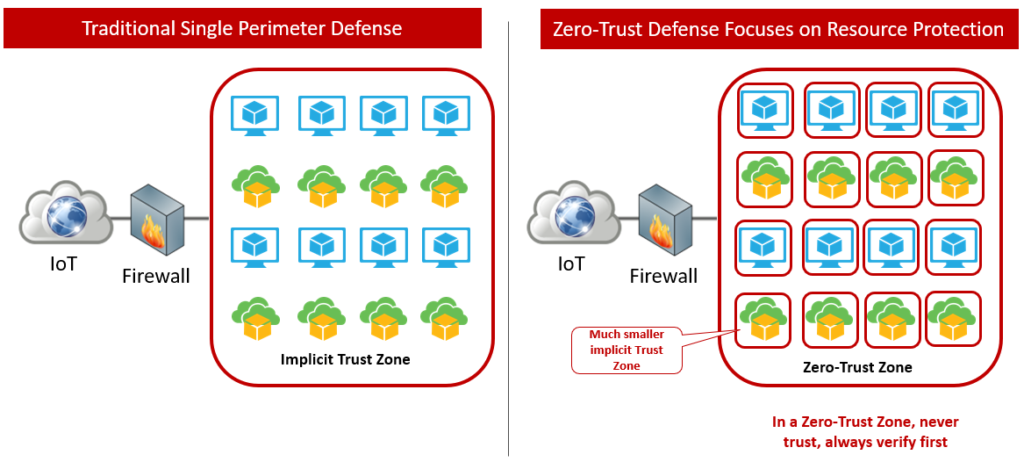
The Zero-Trust approach challenges the conventional wisdom of “trust but verify” by assuming that no entity, whether inside or outside the network, can be trusted implicitly. Instead, it advocates the complete abandonment of the implicit trust in any entity, whether inside or outside an organization’s network. This approach assumes that no device, user, or application can be trusted by default, and every access request must be authenticated, authorized, and continuously monitored, regardless of its source.
The Zero-Trust Approach: Unravelling the Core Principles
Zero-Trust is not just another buzzword , it’s a comprehensive and adaptable security framework designed to address the evolving threat landscape. To understand the Zero-Trust approach better, let’s delve into its core principles:
- Never Trust, Always Verify: The fundamental premise of Zero-Trust is to reject the assumption that anything, or anyone, is inherently trustworthy. Instead, it promotes continuous verification of every user, device, application, and network connection trying to access resources within the network. Users and devices must authenticate themselves before gaining access to resources. Multi-factor authentication (MFA) is commonly used to strengthen identity verification.
- Least Privilege Access: Zero-Trust minimizes the privileges granted to users and devices. Users are only given access to the resources necessary for their job, limiting lateral movement within the network for potential attackers. Access privileges are granted on a need-to-know basis. Users and systems only receive the minimum permissions necessary to perform their tasks.
- Micro-Segmentation: In a Zero-Trust architecture, the network is divided into smaller segments, each with specific security policies. This way, even if a breach occurs in one segment, it is contained, preventing lateral movement.
- Real-time Monitoring: Continuous monitoring of user and device behavior, network traffic, and system activity is a cornerstone of Zero-Trust. Any deviations from the established norms trigger alerts and potential security responses.
- Contextual Access Control: Access decisions are based on contextual information, such as user identity, device health, location, and the sensitivity of the data or resource being accessed. Access is dynamically adjusted based on changing conditions. All access requests are explicitly approved or denied based on policies, not based on trust or location.
To implement a Zero-Trust cybersecurity approach, organizations need to consider several key components and strategies:
- Identity and Access Management (IAM): A robust IAM system is essential for verifying the identity of users and devices. It includes Single Sign-On (SSO), Multi-Factor Authentication (MFA), and role-based access control.
- Network Micro-Segmentation: This involves dividing the network into smaller, isolated segments or zones. Each segment can have its own set of access controls and security policies, reducing the lateral movement of threats.
- Security Analytics and Threat Detection: Utilizing advanced security analytics and machine learning, organizations can continuously monitor network traffic and user behavior to detect anomalies and potential threats in real-time.
- Application Security: Applications must be secured at the code level, and access should be controlled based on a user’s privileges and the least privilege principle.
- Secure Access Service Edge (SASE): SASE is an emerging technology integrating network security and Wide-Area Networking (WAN) capabilities. It extends Zero-Trust principles to remote users and cloud services.
Benefits of Zero-Trust
Implementing a Zero-Trust approach offers numerous advantages that significantly enhance an organization’s security posture:
- Minimized Attack Surface: The attack surface is significantly reduced by implementing least privilege access and micro-segmentation. Attackers have difficulty moving laterally within the network and accessing critical assets.
- Improved Data Protection: Zero-Trust ensures that sensitive data is protected from unauthorized access. Access controls adapt to changing conditions and user behavior in real time, reducing the risk of data breaches.
- Enhanced Security Posture: The continuous monitoring and real-time access control provided by Zero-Trust allow organizations to respond to threats quickly and effectively. This proactive approach to security minimizes the impact of potential breaches.
- Adaptability: Zero-Trust is scalable and can be tailored to an organization’s needs. Whether a small business or a large organization, the principles of Zero-Trust can be applied effectively.
- Compliance Alignment and Risk Mitigation: Many industry regulations and standards, such as the General Data Protection Regulation (GDPR), require organizations to implement strong security controls. Zero-Trust helps organizations align with these compliance requirements. Organizations adopting a Zero-Trust model can better protect sensitive data and reduce the risk of data breaches and associated financial and reputational damage.
- User-Friendly: Despite its robust security measures, Zero-Trust can be implemented to minimize disruption to user experiences, ensuring that security doesn’t hinder productivity
Challenges in Implementing Zero-Trust
While the benefits of a Zero-Trust approach are compelling, implementing it is not without its challenges:
- Complexity: Transitioning to a Zero-Trust architecture can be complex and disruptive. It may require changes in infrastructure, policies, and a cultural shift within the organization. Organizations must carefully plan and execute this transition to avoid service disruptions.
- Integration: Integrating Zero-Trust into existing systems and processes can be challenging. Legacy systems may not easily support the principles of Zero-Trust, requiring additional investments in technology and training.
- User Experience: The strict access controls and continuous verification can sometimes hinder user experience. Organizations must strike a balance between security and usability.
- Cost: The initial investment in Zero-Trust technology and training can be high, particularly for smaller organizations with limited resources. The investment in new technologies and training can be significant. However, the long-term benefits often outweigh the upfront costs.
- Change Management: Adopting a Zero-Trust approach often requires a cultural shift within the organization. Employees may resist additional security measures, such as MFA and more frequent authentication requests, which can slow their workflow. Employees need to understand and embrace the new security mindset.
- Skill Shortages: Finding and retaining cybersecurity professionals with expertise in Zero-Trust can be challenging, as the demand for these skills is rising.
Zero-Trust in Action: Practical Use Cases
To illustrate the real-world applications of Zero-Trust, consider a few use cases where organizations can successfully adopt this approach:
- Cloud Security: As more organizations migrate their services to the cloud, Zero-Trust provides a secure way to access cloud resources. Users and devices are continuously authenticated and authorized before connecting to cloud-based applications and data.
- Remote Work: The rise of remote work has created new security challenges. Zero-Trust allows organizations to secure remote access to corporate resources, ensuring that only authorized users with the proper credentials can access sensitive data and applications.
- Mobile Device Security: In the age of “Bring Your Own Device” (BYOD), Zero-Trust helps organizations secure mobile devices. Users are authenticated, and their devices are checked for compliance with security policies before accessing corporate resources.
- Insider Threat Mitigation: Zero-Trust is effective in mitigating insider threats. Employees with valid credentials are continuously monitored to detect unusual behaviour or data access, reducing the risk of insider data breaches.
- Network Security: Traditional network security often relies on perimeter defences. Zero-Trust takes a more holistic approach by applying security controls at the network level, with real-time monitoring and access control.
- IoT Security: The proliferation of IoT devices presents new security challenges. Zero-Trust can help by ensuring that IoT devices are authenticated, authorized, and segregated from critical systems to prevent potential threats.
As the cybersecurity landscape continues to evolve, Zero-Trust is expected to become the standard approach for securing organizations of all sizes. The principles of least privilege, continuous monitoring, and strict access control will remain central to safeguarding against cyber threats. Additionally, the following trends will likely shape the future of Zero-Trust:
- Identity and Access Management (IAM) Solutions: IAM solutions are crucial in verifying user identities and enforcing access policies. They are integral to Zero-Trust architecture.
- Integration with Artificial Intelligence (AI) and Machine Learning (ML): AI and ML will play a more significant role in threat detection and anomaly identification within the Zero-Trust framework.
- Blockchain: Blockchain can be used to create a tamper-proof audit trail of access and changes to sensitive data. This ensures data integrity and accountability within a Zero-Trust network.
- Software-Defined Perimeter (SDP): SDP solutions create a secure and isolated network overlay, ensuring that only authorized users and devices can access network resources. This technology simplifies the implementation of Zero-Trust principles.
- Convergence of Network and Security: Zero-Trust and security networking will merge further, with solutions like Secure Access Service Edge (SASE) becoming more prevalent.
- Industry-Specific Adoption: Different industries like insurance, healthcare, banking, and finance will tailor their Zero-Trust implementations to meet their specific regulatory and security requirements.
- Zero-Trust as a Service: Managed service providers will offer Zero-Trust to help organizations implement and maintain this complex security model.
- User Education: Increasing user awareness and education on Zero-Trust principles will be essential to minimize user resistance and ensure successful adoption.
In today’s digital age, organizations need to adopt and adapt to the principles of Zero-Trust to safeguard their valuable assets and ensure their continued success. Zero-Trust is a buzzword and a strategic approach to cybersecurity, becoming the standard for modern organizations facing ever-evolving cyber threats.
While implementing Zero-Trust can be challenging and complex, the benefits, including enhanced security, improved compliance, and risk mitigation, make it a worthwhile investment. Many successful organizations are already reaping the rewards of this approach and maintaining the trust of their customers and stakeholders in an increasingly digital and interconnected world.
The Nourishing Role of Digitalisation in Nurturing Resilient Food Security and Systems, Agriculture and Water Management

Technology and digitalisation possess significant potential in addressing the increasing demand for safe and nutritious food, efficient natural resource management, fostering high-quality productivity growth, and contributing to the attainment of the UN Sustainable Development Goals (SDG) Agenda. But the state of digitalisation in agriculture, water, and food systems in low-and-medium-countries (LMICs) in particular, varies widely, with ongoing efforts to leverage technology for sustainable development. Maher Salman, Team Lead, Agricultural Water Management, Food and Agriculture Organization (FAO) of the UN, in an exclusive interview discusses the importance of digital innovation in agriculture, water management, and building resilience in food systems, and emphasises its distinctive capabilities to bridge the rural-urban gap, create employment opportunities, enhance resilience in rural areas, and empower youth and women by providing access to information, technology, and markets.
ICIEC Quarterly Newsletter: Technology is critical to affecting change and driving development. In agriculture, it is said that digitalisation could be a game changer in boosting productivity, profitability, and resilience to climate change. An inclusive, digitally enabled agricultural transformation could help achieve meaningful livelihood improvements inter alia for smallholder farmers and pastoralists and could drive greater engagement in agriculture of women and youth and employment. What is the state of digitalisation in agriculture, water, and food systems in the low-and-medium-income countries (LMICs)? What is the economics of digitalisation in agriculture?
Maher Salman: Technologies and digitalisation possess significant potential in addressing the increasing demand for safe and nutritious food, efficient natural resource management, and fostering high-quality productivity growth. Furthermore, they play a crucial role in ensuring inclusivity and contributing to the attainment of Sustainable Development Goals. Digital innovation in particular has distinctive capabilities to bridge the rural-urban gap, create employment opportunities, enhance resilience in rural areas, and empower youth and women by providing access to information, technology, and markets.
The state of digitalisation in agriculture, water, and food systems in low- and medium-countries varied widely over the most recent years, with ongoing efforts to leverage technology for sustainable development. Digitalisation in these sectors holds significant potential for addressing key challenges linked to agricultural development, and hence to broader economic growth for several countries whereby agriculture is the leading sector. The status of digitalisation in these contexts is dynamic and shows both opportunities and challenges.
The adoption rate, for instance, varies across regions and countries, whereby some areas have made significant strides, while others may be lagging due to factors such as infrastructure limitations, education, and access to technology. Furthermore, technology in agriculture is becoming more and more a critical aid in decision-making. The collection and analysis of data is increasingly informing management processes, as well as investment decisions.
The economics of digitalisation in agriculture, on the other hand, involves a delicate balance of investment and returns. While initial costs are associated with adopting digital tools, the potential benefits include increased efficiency, improved market access, and elevated livelihoods for smallholder farmers and pastoralists. The inclusive nature of digitally enabled agricultural transformation also holds the promise of engaging a broader range of stakeholders, including women and youth, offering not only improved economic prospects but contributing to broader social and employment objectives.
In the face of economic slowdown and uncertainty, FAO has been playing a key role in advocating for the use of digital technologies to transform agrifood systems and agribusinesses. This involves advising on and promoting a policy agenda to address the digital divide and extend digital benefits on a mass scale, with a commitment to leaving no one behind. As part of its Digital Agriculture Program Priority Area, FAO has already initiated various programs to translate this vision into tangible support for its Member States.
To further advance this trajectory and bring digital innovation’s benefits closer to people, technology-based solutions need to be taken at scale and developed with inputs from final beneficiaries and local partners. FAO has been working in this direction, for instance, in Lebanon, with the development of the BlueHouse-Leb application that provides timely information on the irrigation needs of crops in unheated plastic greenhouses and thus contributes to improve the farm profitability and household-level food security of farmers.
What are the biggest threats, challenges and needs for sustainable agricultural development, quality land improvement and management, water and irrigation systems management, crop and land water productivity – in other words, for sustainable agri-food system transformation?
The sustainability and resilience of agri-food systems is seriously under threat unless current trends of drivers that are affecting them do change. An increase of food crises can be expected if we do not act immediately to transform the way we produce our food. Factors like the growing population and urbanization, economic uncertainties, poverty and disparities, conflicts, intensified competition for natural resources, are causing significant disruptions in socioeconomic structures and harmful effects on environmental systems.
Furthermore, the escalating threat of climate change, posing risks to crop yields, water availability, and overall land productivity poses serious challenges to the pursuit of sustainable agricultural development. Ensuring sustainable land management is hindered by factors such as soil degradation, deforestation, and inadequate land-use planning. The effective management of water and irrigation systems, critical for agricultural productivity, faces challenges related to water scarcity, inefficient irrigation practices, and the need for sustainable water resource governance.
Additionally, achieving optimal crop water productivity is impeded by the lack of access to advanced agricultural technologies, limited farmer education, and unequal distribution of resources. The overarching need lies in developing holistic approaches that integrate climate-resilient practices, advance sustainable land management, and promote efficient water resource utilization. The 2022 FAO “The Future of Food and Agriculture” report identifies four key triggers for the transformation of agri-food systems toward these objectives: improved governance; increased consumer awareness; better income and wealth distribution; widespread technological, social, and institutional innovations.
Moreover, the implementation of appropriate public strategies and policies, involving the active participation of all stakeholders are crucial. Addressing these challenges requires collaborative efforts, technology dissemination, policy support, and capacity building to foster a sustainable agri-food system transformation that is resilient, equitable, and environmentally sound.
The world is plagued by a cornucopia of negative metrics which tend to undermine progress towards achieving the 17 UN SDGs, of which sustainable agriculture, food security and universal digitalisation are key goals. I refer to policy inertia; lack of convergence on trade policies and tariffs; hidden protectionism through subsidies and other barriers to market entry; national interest; supply chain disruptions, land degradation and water pollution due to conflict, civil unrest, terrorism, polluting heavy industries, illegal mining, and logging; rising inequalities, and of course the impacts of the Covid-19 pandemic. What is the real economy, social, health and opportunity cost lost, and how do we future proof such challenges?
The number of challenges indeed poses formidable obstacles to the attainment of the Sustainable Development Goals, particularly in the domains of sustainable agriculture, food security, and universal digitalization. As pointed out by the UN Secretary-General and confirmed by the FAO report “Tracking Progress on Food and Agriculture-related SDG Indicators 2023”, many SDGs are off-track, including those to which agri-food systems are expected to contribute.
Issues like policy inertia, divergent trade policies, and hidden protectionism through subsidies are impeding global progress. Additionally, disruptions in supply chains, land degradation, water pollution from various sources including conflict, civil unrest, terrorism, and polluting industries intensify the complexity. The exacerbation of inequalities and the profound impacts of the Covid-19 pandemic further compound these challenges. The real costs, spanning the economy, society, and health sectors are highly significant, but so are the opportunities.
To future-proof against these challenges, a comprehensive approach is needed. This involves fostering international collaboration to address policy gaps, promoting transparent trade policies, and develop management and technical capacities of stakeholders at different levels. Moreover, investing in resilient supply chains, sustainable practices, and leveraging digital technologies for equitable access to resources are crucial steps. Building robust multipurpose infrastructures for both health and agricultural uses, and implementing social safety nets can enhance resilience, ensuring a more inclusive and sustainable future despite the multifaceted challenges we are confronted with.
The role of water is highlighted in the theme, “Water is life, Water is food. Leave no one behind,” of World Food Day 2023. There are over 2.4 billion people in water-stressed countries and 600 million reliant on aquatic food systems who face pollution, ecosystem degradation, and climate change impacts. Water scarcity, shortages and rationing are on the increase, and no country, irrespective of economic status and wealth, is spared. How did we get it so wrong, and in a world of poly-crises with competing demands for finance, how are we going to finance the remedial mechanisms required?
The thematic emphasis posed on water in this year World Food Day underscores the critical role of water in global food security. The statistics of over 2.4 billion people in water-stressed nations and 20% decline in the availability of freshwater resources are alarming. The escalating challenges of water scarcity, shortages, and accessibility are pervasive, and affect populations across nations and along economic spectrums. The question of how we reached this critical juncture prompts reflection on past resource management and policy decisions. In the contemporary context of poly-crises and competing financial demands, financing the necessary remedial mechanisms becomes a paramount concern.
Addressing water-related challenges requires innovative, collaborative solutions, a reallocation of financial resources, and a commitment to sustainable practices to ensure equitable access to water, safeguard aquatic ecosystems, and mitigate the impacts of climate change. The urgency of the situation calls for a global commitment to responsible water management, transcending economic boundaries to leave no one behind in the quest for water security and sustainable food systems. Agriculture, as the largest consumer of freshwater, has the biggest potential for impact, by changing the ways we produce our food.
In terms of governance, we need to strengthen partnerships between governments, researchers, business, and civil society to design science and evidence-based policies and improve coordination among sectors for better planning and management of water resources. As for financial solutions, more investment are required to enhance the efficiency of water resources and the development of irrigation systems based on ground-truth data, to be made available through accessible knowledge platforms.
Global water demand is likely to grow in the next three decades due to agriculture intensification, population growth, urbanization, and climate change. In water-stress regions, future demand will require the reallocation of 25 to 40 percent of water from lower to higher productivity and employment-oriented activities. These reallocations are likely to come from the agriculture sector due to its high share of current water use. Are you confident that new actions such as Smart Irrigation, Smart Wash, Land and Water Rehabilitation, Soil Enrichment will help to enhance increase water use efficiency, especially in irrigation, and enhance agricultural production and productivity?
The projection of increasing global water demand over the next three decades, driven by factors such as agricultural intensification, population growth, urbanization, and climate change, underscores the imperative for innovative solutions. The World Bank estimates that between 25 to 40 percent of water will need to be re-allocated from lower to higher productivity and employment-oriented activities in water-stressed regions.
Agriculture, once more can play a pivotal role and the FAO Strategic Framework hence indicates the need to increase global agricultural production by at least 40 percent by 2050, given the limited availability of water resources. Initiatives like the ones mentioned holds promise in enhancing water use efficiency and boosting agricultural production and productivity. In particular, the Smart Irrigation-Smart WASH approach, which was promoted under my lead by the Land and Water Division of FAO, addresses the concept of multiple water use and proposes solutions to enhance irrigation and provide WASH facilities to vulnerable communities, thus, responding to the critical needs in times of pandemic crisis.
With the Covid-19 emergency behind us, our focus is redirected to irrigation and its development to support the most efficient management of water resources. The “Irrigation Mapping of need and potential” initiative aims at supporting countries to mobilize sufficient resources for irrigation development and to sustain sound irrigation strategies with well-justified, prepared, and targeted action plans.
The objective is to ensure that irrigation meets actual needs, leverages untapped potential, and accommodates potential future scenarios, planning and decision-making processes. The initiative is developed by FAO through a broad partnership, including global and national stakeholders who share similar concerns about the need to enhance irrigation efficiency and are ready to promote effective solutions in countries worldwide.
In one of your recent papers, ‘Enabling pathways for intensifying drought finance flows’, you seem to suggest an important correlation between digitalisation and financial actors and recipients, and information management as the enabler of this process. Technology needs assessment, you stressed, can lead to the identification of bankable projects and support investors in establishing portfolios. You also mention customer clustering and value chain management. Making projects bankable, especially in drought prevention and mitigation is dependent on a whole range of metrics which are not readily evident in LMICs – credit enhancement, de-risking solutions, integrated policies and so on. Given that droughts are an increasing phenomenon in FAO member states, what is the outlook for increased drought finance and underwriting of the associated risks?
The report is formulated under the framework of the “Enabling Activities for Implementing UNCCD COP Drought Decisions.” project, executed in partnership with the United Nations Convention to Combat Desertification (UNCCD) and financially supported by the Global Environment Facility (GEF).
The primary focus of the publication is to delve into the complexities, alternatives, and mechanisms associated with drought finance. It is meant as a contribution to the creation of a conducive framework for the comprehensive management of drought, aligning with the overarching goal of integrated drought management. In the publication a number of short-term and readily implemented strategies are presented as pathways to drive drought finance forward, which include information management, digitalization, drought awareness, technology needs assessment, customer clustering and value chain management.
Recognizing the complexities inherent in drought prevention and mitigation projects, such alternative enablers of drought finance should be considered, especially in low- and middle-income countries (LMICs), where metrics like credit enhancement, de-risking solutions, and integrated policies are not always available. The growing recognition of the urgency and severity of drought occurrences confirms the need for increased drought finance and underwriting of associated risks, but the outlook is still far from the requirement.
Digitalization, coupled with innovative financial instruments, has the potential to unlock new avenues for financing. Moreover, the focus on customer clustering and value chain management contributes to creating a conducive environment for making drought-related projects more bankable. The imperative lies in sustained collaboration, international partnerships, and continued efforts to bridge financial gaps, ultimately fortifying the resilience of member states in the face of escalating drought challenges.
Digitalisation is a source of new growth and new efficiencies but also of new risks. The talk is about smart agriculture, precision agriculture and building agri-resilience through greater digitalisation. Risks include policy, market, water, investment, technology, cyber and insurance risks. At the same time, increased dependency on digital infrastructure especially in large-scale food systems, makes such assets more vulnerable to business interruption and cyberattacks. How do you mitigate these risks, especially for LMICs? Is targeted involvement and innovation of credit and investment insurance a potential answer?
FAO promotes inclusive and adapted innovative technologies, including digitalisation for sustainable production and improved market access, as key accelerators for the sustainable transformation of agri-food systems. There is considerable optimism that the integration of digitalization into agri-food systems, encompassing aspects like input management, disease control, supply chain management, and automation, holds the potential to enhance operational efficiency and concurrently reduce environmental impacts.
The infusion of information as a valuable resource has paved the way for big data platforms to enter the agri-food landscape, however, potentially assuming dominant positions. The issue has progressively come under the UN radar, especially for LMICs, as highlighted in the 2020 Report by the Secretary-General. This transition has given rise to novel and disruptive business models, particularly evident in the shifts observed since the onset of the COVID-19 pandemic.
However, concerns have emerged regarding the concentration of both big data and analytical capabilities in the hands of a select few entities. Without appropriate regulation, this concentration threatens to accelerate power imbalances, foster greater inequality, and marginalize impoverished and unskilled workers. Rural families and farmers, in LMICs and worldwide, are particularly at risk, as they lack the digital competences to stay updated in increasingly digitalized food markets and their employment opportunities are limited. In the light of these considerations the importance of carefully managing the integration of digital technologies to ensure equitable outcomes in agri-food systems emerges clearly, and so does the need to keep looking for suitable answers.
International Trade and Digital Challenges

Global Trade and Digitalisation Prospects – Growth but Slower Growth
Global trade has supposedly been a force for economic recovery, resilience and near normalisation in the wake of a receding COVID-19 pandemic. But in 2022, says the latest World Trade Statistical Review (WTSR) 2023 of the World Trade Organisation (WTO), global trade has lost momentum, largely due to the supply chain disruptions due to the conflict in Ukraine and global economic shocks, including high inflation, the inevitable monetary tightening, and widespread debt distress. But can digitalisation and technology kick start trade and FDI flows recovery to pre-pandemic and its associated economic stability levels in a world of increasing and polymorphous uncertainties? Mushtak Parker explores the latest developments and prospects for digitalized global trade, especially in ICIEC member states.
There is no doubt that the prospects for global trade and investment over the short-to-medium term at best, are mixed, ranging from subdued to weak growth given the numerous downside risks exacerbated by the on-going conflict in Ukraine and, in recent weeks, the conflagration in the Middle East.
“Prior to the COVID-19 pandemic,” says WTO Director-General Ngozi Okonjo-Iweala, “we were accustomed to strong growth in global trade, which typically exceeded the rate of GDP growth. Even at the height of the pandemic, trade remained relatively resilient, and we saw a powerful rebound in 2021 as the global economy reopened and economic activity picked up. Since 2022, we have been following a different trajectory, with slower trade growth due to the disruption to supply chains in, for example, the energy and agricultural sectors as a result of the Russia-Ukraine war, and due to broader geopolitical tensions elevated global inflation and high interest rates, among other causes.”
Despite these shifts, she adds, the role of trade, as well as trade and supply chain finance products, is more important than ever. As the geopolitical and economic environment becomes more challenging, access to liquidity and risk mitigation is increasingly valued. In addition, the desire – and need – to digitise has accelerated innovation in the trade and supply chain finance space. Her optimism that “global trade growth has remained positive,” on the back of a slow-down in its underlying growth trajectory, is tempered by the stark reality that trade growth remains weak in the near term into 2023 due “to numerous downside risks, from geopolitical tensions to potential financial instability, which are clouding the medium-term outlook for both trade and overall output.”
Data dichotomy and overload lends itself to a morass of interpretations enough to suit almost any narrative in this highly complex global trade matrix. Take, for instance, the ‘volume versus value’ metric across a spectrum of cohorts – merchandise trade, intermediate trade, trade in goods and services, trade in manufacturing goods and so on. In volume terms, world merchandise trade rose by 2.7% in 2022, which is well below the 12.4% growth in value terms. This was largely reflected by the effect of high global commodity prices, which continues to affect consumers all over the world, but disproportionately in developing countries, as a cost-of-living crisis continues to bite because of stubborn food and energy price inflation. Trade in goods and services amounted to US$31 trillion in 2022, a 13% rise year-on-year. While trade in goods exceeded pre-pandemic levels already in 2021, trade in services caught up in 2022.
Any complacency over a receding pandemic and its impact on global trade too could be misplaced. The latest World Health Organisation (WHO) update on COVID-19 on 3rd August reported over one million new cases and over 3,100 deaths globally in the month of July 2023. The pandemic, at the end of July 2023, has seen over 768 million confirmed cases and over 6.9 million deaths globally. “Currently, reported cases do not accurately represent infection rates due to the reduction in testing and reporting globally. During this 28-day period, 46% (107 of 234) of countries and territories reported at least one case to WHO – a proportion that has been declining since mid-2022,” said WHO.
For a multilateral insurer such as ICIEC, global trade should also be considered in the context of food security, nutrition and global hunger – helping to alleviate it in member states, some of which are the poorest on earth, being a core mandate. The latest State of Food Security and Nutrition in the World (SOFI) report, published jointly in mid-July by five UN specialized agencies, reveals that 735 million people are currently facing hunger, compared to 613 million in 2019. This represents an increase of 122 million people compared to 2019, before the pandemic.
“If trends remain as they are, the UN Sustainable Development Goal 2 of ending hunger by 2030 will not be reached. Indeed, it is projected that almost 600 million people will still be facing hunger in 2030. While some areas have made some progress in hunger reduction, there are many places in the world facing deepening food crises. Africa remains the worst affected region with one in five people facing hunger on the continent, more than twice the global average,” concludes the SOFI report. Similarly, FAO (the Food and Agriculture Organisation of the UN) recently warned that global food commodity prices rose in July, influenced by the termination of the Black Sea Grain Initiative and new Indian export restrictions on rice.
African Challenges and Arab Development Finance Support
Not surprisingly, least-developed countries (LDCs), especially in Africa, in general, are faced with the biggest challenges in trade flows and dynamics, beholden to anachronistic world trade rules to the detriment of LDCs – a major failure of the global trade system. In 2022, for instance, resource rich Africa accounted for less than 1% share of world exports.
Even where exports of goods and services from LDCs increased by 31% between 2019 and 2022, this was more to do with a greater upside of 41% in value terms, once again reflecting higher global commodity prices. Africa’s trade deficit in intermediate goods (IG) – inputs used to produce a final product – shrank to US$4.4 billion in 2022. This is partly due to growth in its exports of IG, which totalled US$292 billion in 2022, an increase of 47% compared with its pre-COVID-19 level in 2019. Again, the rise in value terms is due to high commodity prices.
The fact that Africa accounted for only 14% of intra-African merchandise trade in 2022 (down from 16% in 2018) – the lowest of all the global regions – underlines the huge gap and challenges faced in realising the African Union’s Agenda 2063 vision of economic integration and inclusive socio-economic development on time, and the trade-led development ambitions of the African Continental Free Trade Area (AfCFTA), which seeks to bring together 55 African countries and create an integrated market of 1.3 billion people, with a combined GDP of over US$3 trillion.
A major development is the allocation of up to US$50 billion to help build resilient infrastructure and inclusive societies in the African continent by the Arab Coordination Group (ACG) at the recent Arab-Africa and Saudi-Africa Summits’ Economic Conference in Riyadh. The ACG is a strategic alliance that provides a coordinated response to development finance. Current members are the Abu Dhabi Fund for Development, the Arab Bank for Economic Development in Africa, the Arab Fund for Economic and Social Development, the Arab Gulf Programme for Development, the Arab Monetary Fund, the Islamic Development Bank, the Kuwait Fund for Arab Economic Development, the OPEC Fund for International Development, the Qatar Fund for Development, and the Saudi Fund for Development.
The ACG has been a long-standing supporter of African partner countries and has cumulatively invested over US$220 billion in the region to date. “We reaffirm our commitment to supporting the sustainable development of countries in Africa. Recognizing that the link between sustainable development and climate financing is cross-cutting and complex, the ACG reaffirms its commitment to scaling up financial assistance for climate change in line with the Paris Climate Agreement and to helping bridge investment gaps in energy access, including low-carbon energy sources, climate mitigation, adaptation, and resilience, as well as food security,” said the Group in a statement.
On the global GDP growth front, the outlook is equally mixed. Moody’s Investors Service, in its latest forecast, expects global G-20 growth to moderate in 2024 to 2.1% from 2.8% in 2023 and accelerate in 2025 to 2.6%, the firm said in its Global Macroeconomic Outlook 2024-25. “We forecast real economic activity in advanced G-20 economies to decelerate from an estimated 1.7% in 2023 to just 1.0% in 2024 and recover to 1.8% in 2025,” said Madhavi Bokil, Senior Vice President CSR, at Moody’s. “Growth in G-20 emerging markets will slow from 4.4% in 2023 to 3.7% in 2024 and 3.8% in 2025. Excluding China, G-20 EM growth will decelerate to 3.3% in 2024 from an estimated 3.5% in 2023 before accelerating to 3.5% in 2025.
The main reason, according to Dr Bokil, is that a Synchronous growth slowdown is expected in 2024 owing to the ongoing tightening in monetary and financial conditions in advanced economies. Traditional sources of strength will not buoy growth for too long – financial conditions have tightened even more in the last two months, which will further continue to dampen spending and investment. To him, economic strength across emerging market countries varies considerably, with some like India, Brazil, Mexico and Indonesia outperforming expectations, while outlooks for Türkiye and Argentina are highly uncertain.
Proliferation of Platform-base Trade
The 2023 ICC Trade Register Summary Report gives a more nuanced vista of the dynamics of global trade prospects, which will be increasingly subject to the impact of regulatory changes, especially due to the new reporting requirements from the Financial Accounting Standards Board (FASB), and the ongoing digitisation and future of platform-based trade. The geopolitical and macroeconomic challenges of 2022 have continued and have even intensified, in some cases, fueled by weak global growth, elevated inflation, and high interest rates. On the demand side, observes the ICC, consumption slowed from the post-pandemic bounce but remained strong. Households continued to spend the savings they had accumulated during the pandemic, while government spending continued apace, for example, in relation to the US Inflation Reduction Act (IRA).
On the supply side, while the shipping constraints of 2021 abated, supply chains remained disrupted, partly due to new trade policies across many countries. According to the ICC Trade Report, international goods trade flows reached US$23.8 trillion in 2022, up 10.7% from 2021. This was a softening in trade growth relative to the 25.5% jump in 2021, as the post-pandemic recovery eased in 2022. But this growth in 2022 was primarily driven by inflation rather than an increase in volume, as commodity prices jumped: in real, or inflation-adjusted, terms, goods trade flows grew only 3% in 2022 versus 2021.
The services trade tells a different story. Trade in services reached $6.8 trillion in 2022, up 14% from 2021, driven by strong growth across all regions in a continued post-pandemic recovery. Europe continues to be the regional leader, with a 53% share of global services exports in 2022. Services trade grew at a faster rate than goods trade in 2022, the opposite of what we saw in 2021 (where services trade grew at 19% vs. 26% for goods trade). This was due to a more sustained post-pandemic recovery for services than for goods. Its forecast for 2023 and beyond is to the point ‘Growth, but Slower Growth.’
Boston Consulting Group (BCG), which contributed to the ICC Trade Report, projects global exports of goods, excluding services and FX receipts, to reach US$23.8 trillion in 2023, rising by 4.6% to US$37.4 trillion in 2032.
Following the sharp increase in trade finance revenues by 28.2% in 2021 relative to 2020, BCG estimates that nominal trade and supply chain finance revenues grew a pace of 6.3% in 2021 to 2022, reaching a total of US$63 billion. The slowdown was due to softening of both volume growth and product penetration, as some businesses chose to go without trade and supply chain finance products to avoid the higher costs. A narrowing of margins also played a role in squeezing revenue growth in 2022.
The prospects for trade finance in 2023 are turning out to be a more challenging year. BCG forecasts nominal trade and supply chain finance revenues to fall by 7.4% in 2022 to 2023. Looking further ahead, trade and supply chain finance revenues are forecast to grow modestly in the year 2023 to 2024 before picking up and growing by 3.8% per annum from 2022 to 2032, reaching $91 billion by 2032 on a nominal basis. “Growth in open account products is slowing but is expected to remain strong as its speed, ease and cost effectiveness outweigh the risk mitigation properties of documentary trade. The ease of digitisation of open account also works in its favour,” said BCG.
BCG also stresses the importance of ongoing digitisation and the future of platform-based trade. Digitisation is going from strength to strength, with the majority of players investing heavily in their trade and supply chain infrastructure in order to:
- Modernise the customer experience,
- Provide new product functionalities across the full procure-to-pay value chain (e.g. pre-shipment finance, distributor finance, etc.),
- Enable greater platform and ecosystem connectivity in order to originate transactions where customers do business (rather than customers coming direct to bank),
- Enable greater modernisation to reduce cost and improve processing times, and
- Improve data and reporting and to enable balance sheet velocity of documentary trade through asset distribution which is expected to grow as legacy systems are replaced or upgraded, and data becomes more widely available.
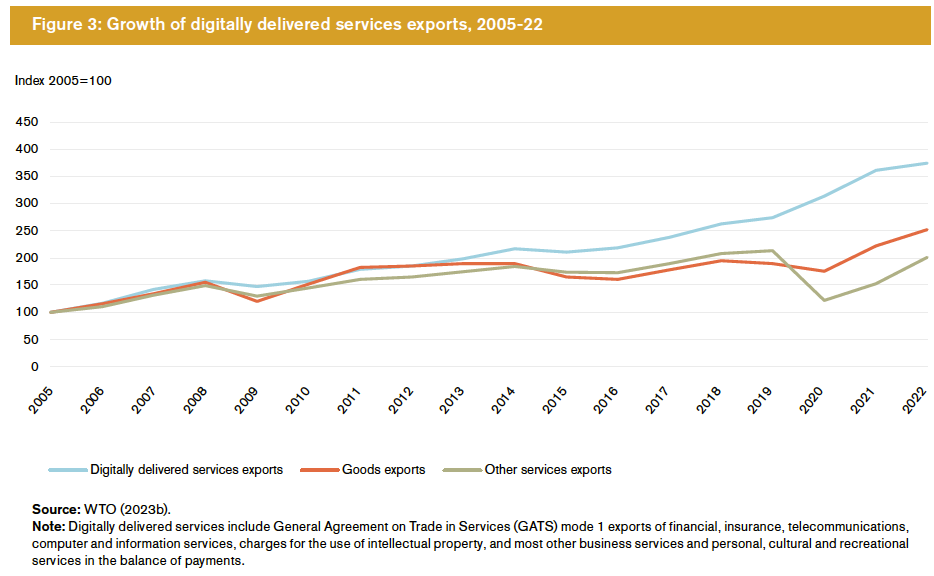
The real economy impact for ICIEC member states is implicit. According to WTO estimates, Bangladesh’s total exports of digitally delivered services for instance, have been growing by 15% annually since 2005, compared with 11% for goods, albeit from a very low base. Bangladesh has put digitalization at the core of its development. Around 14% of the online freelance global workforce originates and resides in Bangladesh, making it the top supplier of the online workforce in creative and multimedia services. As such, business-to-customer e-commerce is expected to grow by 18% per cent annually.
Digitisation has also been enabled by the growth in platform-based trade, where FinTechs and challengers are innovating on new ways to capture market share and scale. Many banks are now participating in digital trade platforms, e.g., for e-invoicing, payables automation, supply chain financing and working capital management. These platforms vary by geographic reach, product and client focus, and underlying technology, but the market has been somewhat bifurcated.
“While digitisation supports the shift to open account through the development of new products, it also improves the efficiency and security of documentary trade, underpinning its continued importance in the product mix. Moreover, digitisation not only facilitates broad industry growth but also supports inclusive growth. It is seen as key to reducing the “trade finance gap” for SMEs, which has widened recently due to higher interest rates,” maintains BCG.
Advances in Electronic Trade Documentation
The three major and potentially game-changing developments in the electronic trade documentation architecture are the Electronic Trade Documents Act (ETDC) 2023 in the UK receiving Royal Assent from King Charles the III on 20July, becoming legally effective on 20 September in an effort to make Global Britain’s trade with partners all over the world more straightforward, efficient and sustainable , the enhancement of the Model Law on Electronic Transferable Records (MLETR) , and the World Trade Organisation (WTO’s) initiative in including work on trade-related aspects of e-commerce as part of the organisation’s Joint Statement Initiative (JSI) on E-commerce in future WTO negotiations.
Perhaps the biggest potential leap change in the near-to-medium term may come in digital underwriting and digitalization in commercial insurance lines using targeted Generative AI, according to Swiss Re. It is important in the current climate of AI hype not to over-think nor over-talk the significance of AI in order to facilitate an orderly transformation to this very disruptive and yet inevitable technology.
“Along with the use of big data,” says Swiss Re, “AI is expected to be eventually used widely in risk assessment and underwriting. Given the level of confidence needed to deploy new technologies in underwriting, fully digitalised/automated AI and Machine Learning (ML) enabled systems are still not accurate enough for use at scale. This also means that algorithms cannot be relied on to fully replace traditional risk assessment, except in simpler lines of business such as motor. This said digitalisation can complement existing processes, including classifying and segmenting risk as finely as possible for more accurate risk pricing.”
Increasingly, commercial insurers are making use of digital technology in portfolio steering and risk selection. The benefits are important. “By leveraging third-party digital data overlaid with their own information,” stresses Swiss Re, “they can derive insights on potential risk accumulation, such as that caused by a concentration of high-value properties exposed to specific hazards. For example, the utility sectors’ liability exposure is increasing due to infrastructure that can spark fires. Utilities may operate in wildfire prone regions (eg, network operators, tree cutters). Using third-party digital data on, for instance, locating sources of ignition such as power lines and rail tracks, insurers have a deeper view as to areas of potential fire risk accumulation.”
The importance of the above developments cannot be ignored. The WTO initiative for instance, involves 89 (as of July 2023) member states, accounting for over 90% of global trade. These negotiations span a broad range of critical topics such as online consumer protection, electronic signatures and authentication, electronic contracts, transparency, paperless trading, open internet access, and data flows and data localization.
In this respect, the WTO Informal Working Group on Micro-and-Small-and Medium-sized-Enterprises (MSMEs) continues to discuss challenges for MSME access to digital trade, including cyber readiness, standardizing trade digitalization, and single windows (or access points) to access trade information. Recommendations like these, stressed the WTO, will be critical for increasing the inclusiveness of the international trade environment and should also be included in discussions at the WTO and in regional trade agreements (RTAs).
The benefits are real albeit incremental, and in need of urgent domestic and global trade system structural development, according to the world trade body. Automation and digitalization of production processes will continue because they increase productivity, allow firms to remain competitive in international markets, improve product quality and provide greater flexibility in responding to changes in the market.
Embracing a strengthened multilateral trading system through re-globalization would support inclusiveness by facilitating GVC-led industrialization and services-led growth. Growth in services trade, particularly digitally delivered services, needs agreements on services domestic regulation, e-commerce, and investment facilitation. WTO members can help facilitate a more inclusive global trading system by negotiating new accessions, extending their commitments, updating trade rules at the multilateral level, and working with other international organizations to ensure more people benefit from world trade.
Digitalization of trade could be a great equaliser and facilitator by providing new opportunities for those economies that have so far been left behind by allowing them to overcome some of the most important barriers to trade that they face, such as transportation costs and institutional disadvantages.
More importantly, it would also provide new opportunities for small firms, people living in remote areas, and women. Digital trade allows people globally to directly access international markets and supply their services even if there is no longer an industry domestically. Promoting more international cooperation, however, would need to be accompanied by requisite domestic policies without compromising the ethos of individual countries’ development agendas, as they play an important role in helping make globalization more inclusive.
ETDA’s £1.14 Billion Boost
There is no doubt that the biggest boost can come from the UK’s ETDA, with the British Government’s initial estimate that the UK economy is set to receive a £1.14 billion boost over the next decade through the “Innovative Trade Digitalisation Act.” With less chance of sensitive paper documents being lost, and stronger safeguards through the use of technology, digitalising trade documents is also set to give businesses that trade internationally greater security and peace of mind.
“The Electronic Trade Documents Act,” says Chris Southworth, Secretary General of the UK Chapter of the International Chamber of Commerce (ICC), “is a game changing piece of law not just for the UK but also for world trade. The act will enable companies to finally remove all the paper and inefficiency that exists in trade today and ensure that future trade is far cheaper, faster, simpler and more sustainable. This presents a once in a generation opportunity to transform the trading system and help us drive much needed economic growth.” The ICC estimates that 80% of trade documents around the world are based off English law, and this act serves as the cornerstone to truly digitalising international trade.
With English law being the very foundation of international trade, several Islamic finance contracts such as the Commodity and Syndicated Murabaha and Sukuk issuance, this act puts the UK ahead and in the lead of not only other G7 countries but almost all other countries in the world. The UK, says Minister for International Trade, Nigel Huddleston, is widely seen as a leader in digital trade, and this new act will make it easier for businesses to trade efficiently with each other, cutting costs and growing the UK economy by billions over time. “It’s exciting to see the power of technology being harnessed to benefit all industries, reduce paper waste and modernise our trading laws, an approach which the rest of the world will seek to follow,” he added.
Indeed, the Electronic Trade Documents Act recently implemented in the UK, according to the WTO, removes requirements for the majority of paper trade documentation. Varying degrees of progress are also being made towards implementation in the remaining G7 countries, with each taking unique approaches to amend and introduce legislation.
The Model Law on Electronic Transferable Records (MLETR) has already been in use since 2018 in a range of emerging markets, such as the UAE and Bahrain. The digitisation of trade finance documents has the capability to improve efficiency, reduce costs, enhance security, and diminish the extensive carbon footprint of paper documentation. More broadly, progress is being made to remove legal barriers to trade in many countries, such as France, Germany, the US under the African Growth and Opportunity Act (AGOA) and the UK.
The stakes are high for both AGOA-acceded countries and the US. Since its inception in 2000, AGOA has been at the core of US economic policy and commercial engagement with Africa. AGOA provides 32 eligible SSA countries with duty-free access to the U.S. market for over 1,800 products, in addition to over 5,000 products that are eligible for duty-free access under the WTO’s Generalized System of Preferences programme.
Export Credit and Investment Insurance in an Accelerating Global Digital Ecosystem

Harnessing the Next Phase of Digitalization Opportunities in Re-globalisation of World Trade and Investment
The post-Covid 19 acceleration in digitalization across economic and societal sectors presents not only a source of growth opportunities and new efficiencies, but also a spate of new risks for the insurance industry, especially the credit and investment insurance cohort. Oussama Kaissi, CEO of ICIEC, considers the state of digitalisation in trade, investment and insurance, new developments in closing the digital divide between developed and emerging economies, and the opportunities and pitfalls relating to over-reliance on digitalisation, as ICIEC member states seek to build on their trade and FDI potential, attractiveness and resilience.
The talk in the corridors of power at the World Trade Organisation (WTO) these days is that of re-globalisation instead of trade fragmentation. WTO’s 2023 World Trade Report (WTR) published in September stresses evidenced-based benefits of “broader, more inclusive economic integration as early indications of trade fragmentation threaten to unwind growth and development.” The findings, perhaps more importantly, highlight how re-globalization – or increased international cooperation and broader integration – can support security, inclusiveness, and environmental sustainability.
Trade, according to the WTO and industry organisations, has also become more digital, green and inclusive. The digital revolution has bolstered trade in digitally delivered services by sharply reducing the costs of trading these services. The value of global trade in environmental goods and services has increased rapidly, outpacing total goods trade, and global value chains (GVCs) have expanded to encompass more economies.
The UN Global Sustainable Development Report (GSDR) 2023 similarly identifies digitalization as one of the six dynamic conditions shaping the achievement of the 17 Sustainable Development Goals (SDGs) by 2030, to which ICIEC is committed to helping its 49 member states progress towards achieving the goals in their development agenda through its financing, credit enhancement and risk mitigation solutions. The other five conditions include climate change, biodiversity and nature loss, demographic change and inequality 7- all of which are also embedded in the policies and services offered by ICIEC. The Corporation, of course, is also a signatory to the Principles for Responsible Insurance.
As great as digitalisation is as a game-changing disruptor and a perceived force for socio-economic good given the latest ‘advancements’ in terms of Generative Artificial Intelligence (AI), Data Analytics, Blockchain, Internet-of-Things, Electronic Trade Documentation and so on, the reality of a digital divide between advanced economies and low-and-medium-income-countries (LMICs) is similarly evident.
Digitalisation as a Double-Edged Sword
But digitalisation like any other societal phenomenon can also be a double-edged sword. As such it needs careful and proactive harnessing, articulation, monitoring, regulation and enforcement, especially in the multi trillion-dollar finance, insurance, trade and investment universe. Inaction, delays and lack of adequate oversight could be costly and impact negatively on the global trade and investment ecosystem, which would give succour to disguised protectionism unfair trade and investment terms and conditions, which would exacerbate entrenched existing inequalities.
Digital value creation, says Swiss Re Institute (SRI), has led to an increase of insurance firms intangible assets, including digital data. At the same time, increased dependency on digital infrastructure makes such assets more vulnerable, for example, to business interruption and continuity, online fraud and scams, and malicious cyberattacks.
In a recent report titled “The economics of digitalisation in insurance”, SRI found that potential benefits across countries and throughout the insurance value chain are far from exhausted. Take, for instance Continental Africa, where some 27 IsDB member states are located, the 2023 WTR Projections based on the WTO Global Trade Model suggest that digitalization has the potential to increase African exports of services by over 7% per year or an aggregate US$74 billion from 2023 to 2040.
“Africa has been increasingly active in various joint initiatives undertaken by large groups of WTO Members,” explained WTO Deputy Director-General Angela Ellard in a recent speech. “Around 20 African members participate in our new investment facilitation for development agreement, designed to make developing countries more attractive for investment. Several African countries participate in discussions on e-commerce, and many are engaged in our e-commerce work program designed to bridge the digital divide and use digital trade as an engine for development. African countries are deeply engaged in discussions about how trade can contribute to economic sustainability. Today, 40% of funds under the WTO’s flagship Aid for Trade programme go to Africa.”
The challenges for insurers in general and credit and investment insurers in particular are clear and present. For ICIEC, uniquely the only Shariah-compliant multilateral insurer in the world, there are additional layers of compliance and operational risk metrics in play.
Digitalisation in Insurance
Swiss Re Institute (SRI), in “The economics of digitalisation in insurance” report, rightly stresses that digitalisation enables insurers to monitor, mitigate and price risks more efficiently, allowing for more tailored insurance solutions that can help close insurance protection gaps. Hence its call for “insurance innovation” and warning against any complacency and orthodoxy. In this respect, insurers are targeting a 3–8 percentage point improvement in loss ratios and savings of 10–20% in other parts of the value chain through digital transformation.
In the report, SRI, in fact, introduced the Insurance Digitalisation Index (IDI), which tracks the progress made in 29 sample countries with respect to the digitalisation of their insurance markets. South Korea came out on top of the index, followed by Sweden, Finland and the US. “While advanced markets with strong physical infrastructure and high internet access rates have made the most progress in digitalising their economies and insurance sectors, emerging markets should benefit from faster catch-up growth because they can jump straight into adopting newer digital technologies rather than transitioning from legacy systems,” stressed the report.
Another initiative aimed at bridging the gap between standards and adoption within the supply chain finance and insurance industry is the recent launch in Dubai by the International Chamber of Commerce (ICC) UAE Chapter of the ICC Digital Standards Initiative (DSI) as part of its expanded digital standards recommendations under its current Key Trade Documents and Data Elements (KTDDE) practice.
“The DSI’s continued efforts to expand the understanding of digital standards in international Trade,” explained Robert Beideman, Vice-Chair of the ICC DSI Industry Advisory Board, “represents a significant step forward in streamlining global commerce. By promoting data reusability and consistency across supply chains, we are facilitating more efficient and secure transactions for businesses across the globe.”
Despite the rapid digital transformation of the insurance industry, accelerated by recent advancements in cutting-edge technology, the consensus is that there are still significant potential and growth opportunities to make insurance more accessible and affordable for consumers, which behoves insurance providers and guarantors to continue investing in innovative solutions and adapting to emerging risks.
For consumers, says the SRI, online marketplaces lead to greater price transparency, present multiple insurance products and providers in a single place and allow customers to seamlessly complete the onboarding process online, making insurance more accessible and affordable. Aside from distribution, investments in insurance technology have shifted towards efficiency gains and improving underwriting and claims.
Resilience as a Function of Digitalisation
Indeed, Jerome Haegeli, Group Chief Economist at Swiss Re, maintains that there is a positive correlation between resilience and digitalisation. For society, he adds, digitalisation is a force for giving more people access to insurance and thereby closing protection gaps. For insurers, gains from better underwriting, risk mitigation and risk measurement from the digitalisation of insurance improve the quality and efficiency of their work.
The digitalisation of the wider economy, will also create new risk pools, opening up opportunities for insurers, especially in sharing-economy business models, which have resulted in fundamental shifts in operational risks and liabilities that require innovative insurance risk transfer solutions. With the shift from producing physical goods to providing information and services, the global value of intangible assets of listed companies has increased fivefold over the past 20 years, to US$76 trillion in 2021. Close to 80% of that value remains uninsured.
As such, insurers will need protection against digital risks, for example, business interruption and cyber risks, as well as the emerging liability risks related to AI. Cyber security, says Swiss Re, is a key concern for businesses globally, as reflected by the rapid growth in demand for cyber insurance. Swiss Re Institute estimates global cyber premiums will reach US$16 billion in 2023, up 60% from 2021 and US$25 billion by 2026.
Some key takeaways for insurers, according to the Swiss Re Institute, as they develop their digitalisation strategies going forward include:
- The impact of digitalisation is mis-measured which gives an underreporting of product structures, pricing, progress, challenges and market awareness and penetration.
- While workplace technology, in general, improves productivity by saving labour input, for example, through automation, the socio-economic costs can be huge. This raises the prospect of “technological unemployment”, which could put strains on existing unemployment insurance and worker’s compensation schemes.
- The correlation between the introduction of digital technology and disinflationary impact, although increasing digitalisation does not necessarily mean general deflation.
- Typically, countries that are more digital show greater resilience to health, mortality, natural catastrophes and agriculture, which affect LMICs disproportionately.
- The high value of intangible assets in business today are significantly uninsured: just an estimated 16.6% of intangibles are insured, compared with 58% of tangible assets. Digital transformation has given rise to new types of business models, most notably the sharing economy. Businesses will need more protection against the risk that intangible pose.
- Digitalisation has reshaped market dynamics, creating concentration risks. Dependencies on critical digital infrastructure create supply-chain risks. Many insurers themselves are exposed to digital infrastructure risks, although multilateral insurers such as ICIEC can mitigate these through reinsurance treaties and their special status with the ministries and agencies of member states.
- The first wave of digitalisation made the value chain more efficient. The next wave will better connect critical processes and improve digital connectivity across the processes, and thus increase operational efficiency, which potentially can reduce claims costs by 3-8%.
- Technology applications have enabled insurers to bring products significantly more quickly to market.
- Insurtechs, technological innovators in the processes of insurance business, are a good place to observe digitalisation trends in the industry’s value chain.
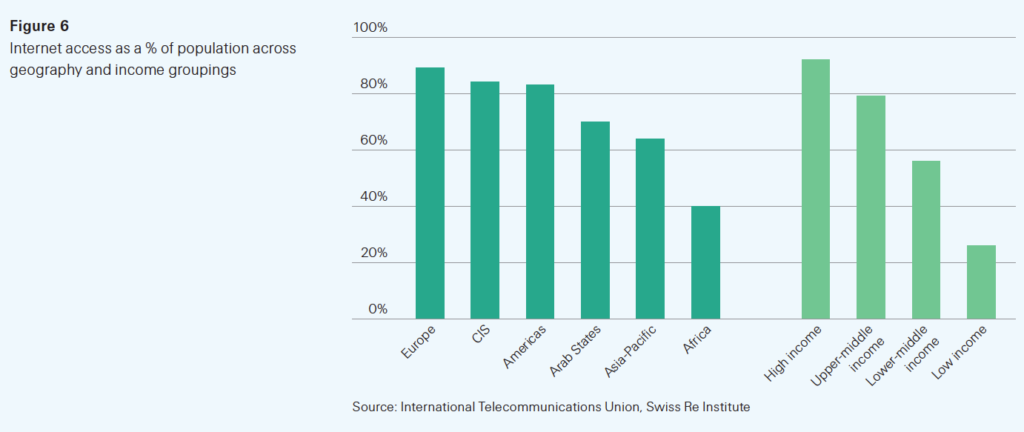
A Changing Global Landscape
The global trading landscape keeps evolving with advances in technology and science. The trade of tomorrow will be green and digital, and we need to make sure that our member states are able to transition smoothly to this new reality. ICIEC’s various policies, services and programmes offer an opportunity to build stronger partnerships for food security, digital connectivity, just transition to clean energy, and mainstreaming trade and investment.
Digital technology allows insurers to gather and process large sets of data using connected devices, data analytics and machine learning. This will allow more holistic and accurate risk assessments and better pricing of risks. Digital solutions can also automate standardised tasks, such as data collection and analysis for underwriting, driving down costs and ultimately leading to lower premiums. An important component of this transition includes capacity building of member states, their agencies, financial and insurance institutions and market players on the pivotal role of information sharing, business intelligence, digitalization and automation in supporting trade and investment decisions.
This initiative comes under the widely acknowledged capacity-building programme for users of the OIC Business Intelligence Centre (OBIC), whose thrusts are i) How digitalization and business intelligence can support trade and investment and the transformative potential of digitalization for economic growth and investment promotion utilizing digital transformation roadmaps for SMEs, and the digitalization of investment promotion services , ii) The importance of reliable credit information, reporting and sharing, and of digital IDs in fostering financial inclusion and trade promotion , and iii) The value of efficient utilization of statistical sources of information on credit, trade, and investment.
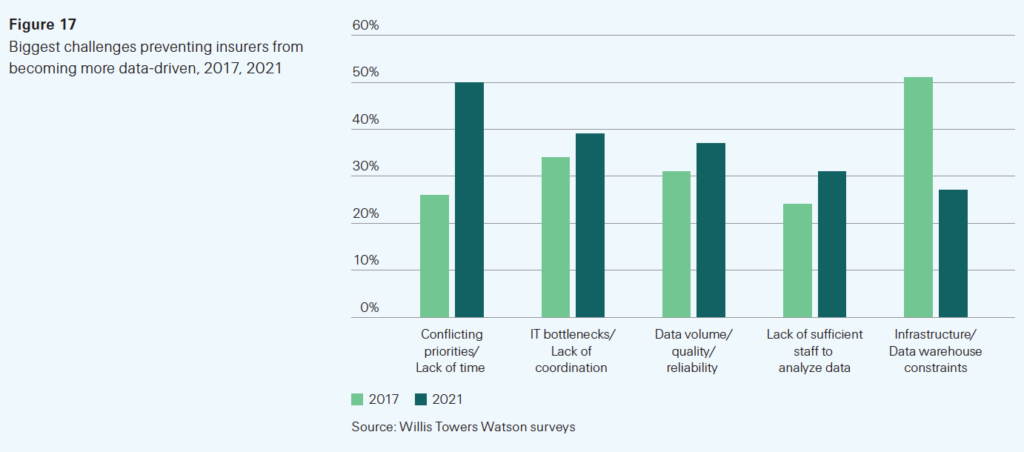
Addressing the Digital Divide
While the pandemic did give rise to an unprecedented acceleration in the digitalization of goods and services, including in the use of mobile telephony in e-commerce and payments where Africa is leading the world, all stakeholders, especially governments, multilaterals, banks, insurers, trade bodies, and digital and technology enablers and facilitators must never lose sight of the reality on the ground where, according to the International Telecommunication Union (ITU), although 66% of the global population or 5.3 billion people used the Internet in 2022, up from 54% in 2019, some 2.7 billion people globally have yet to access the Internet, including SMEs and the self-employed – often the backbone of LMICs economies.
“They are missing out on vital services provided digitally. Adequate and resilient infrastructure is a prerequisite for all the SDGs, and even before the pandemic, infrastructure was far from adequate. Some 1 billion people live more than a mile from a road, and 450 million live beyond the range of a broadband signal. With fiscal tightening and the end of low borrowing costs, infrastructure updates and investments are likely to be below what is needed. The war in Ukraine and the subdued economic growth in China is expected to continue to dampen the slow investment recovery following the pandemic,” emphasised the UN GSDR study.
As such, one way in which emerging markets can begin to close their digital divide with advanced markets at a structural level are through investments in internet accessibility. And here, the role of all stakeholders, including insurers, is not only in their immediate area of business, such as underwriting and providing guarantees as in the case of entities such as ICIEC, but also in supporting the harnessing of the wider digitalisation ecosystem, which primarily includes accessibility and infrastructure investment.
The good news is that digital transformation remains high on the insurance industry agenda. The initial focus was on distribution, seemingly to good effect. Insurers are experimenting with digitalisation across the value chain for efficiency gains. Today, 31 of the 50 largest re/insurers invest in Insurtech in pursuit of a first-mover advantage!
Trade, Investment, and Insurance Documentation - Migration Towards Secure Digitalisation

The UK Electronic Trade Documents Bill – a Gamechanger in Digitalized International Trade?
The UK Electronic Trade Documents Bill 2023 (ETDB 2023) completed its final Committee Stage in the House of Lords in February 2023 and is now with the House of Commons for final approval before going to King Charles III for Royal Assent, hopefully before the end of this year. Under the Bill, digital trade documents will be put on the same legal footing as their paper-based equivalents to give UK businesses more choice and flexibility in how they trade. Could ETDB 2023 evolve into a global governing model akin to the pre-eminent role English Law plays as the governing law for the documentation in the global bond and Sukuk market? What are the implications for Data Protection, Privacy, Credit and Investment Insurance and UK Trade Relations with OIC Member States? Mushtak Parker discusses the potential impacts of ETDB 2023 and prospects for global trade.
The imminent adoption of ETDB 2023 in the UK could not be timelier. One of the unintended consequences of the COVID-19 pandemic was the massive acceleration towards digitisation in almost all spheres of human activity, whether in e-Government, e-commerce, online banking and insurance, multimedia, data harvesting, healthcare, industry and so on.
Digitization has brought huge opportunities not only in reach, instant messaging, marketing, cost efficiencies and savings, and boosting trade and investment flows, but also for cybercriminals armed with a growing epidemic of scams, compounded by the apathy of the tech giants, who after all are the technological ‘facilitators’, albeit unintended, of online fraud and scams, and the shortcomings of regulators who are always a step or two behind the innovators and increasingly sophisticated cybercriminals.
In a world preoccupied by the sheer scale and pace of technological innovations in Artificial Intelligence, Metaverse and Blockchain, digitization and cybersecurity, especially in global trade and investment activity, must be a shared responsibility. But as Belgium-based SWIFT, the world’s leading provider of secure financial messaging services, “not all jurisdictions and regulators use the same terminology or have the same classifications when defining fraud and cybercrime. This can lead to fragmentation in an understanding of the data and statistics because they’re not always comparable.”
Technology, the World Trade Organisation (WTO) tells us, is a potentially empowering enabler of trade and investment, despite the tendency towards protectionism in times of geopolitical and economic uncertainty. As such, a defining moment will come when the UK’s Electronic Trade Documents Bill 2023 gets imminent Royal Assent and enacted in law. It will not only reduce the cost of trade transactions but also be good for the environment.
While this transformation to digital trade documents has taken some 131 years since the adoption of the Bills of Exchange Act in 1882, the UK government projects a major boost for the country’s international trade, already worth more than £1.4 trillion, and will reduce the estimated 28.5 billion paper trade documents printed and flown around the world daily. Business-to-business documents such as bills of lading – a contract between parties involved in shipping goods and bills of exchange used to help importers and exporters complete transactions currently have to be paper-based due to longstanding laws. According to the International Chamber of Commerce, digitalizing trade documents could generate £25 billion in new economic growth in the UK by 2024, and free up £224 billion in efficiency savings.
Policy Rationale
The rationale behind launching ETDB 2023 is simplicity itself. In their joint Impact Assessment (IA) of the Bill, the UK Departments for Digital, Culture, Media & Sports and for Science Innovation and Technology stress that “the operation of many documents important to international trade, including bills of lading and bills of exchange, is premised on their possession. The person in possession of the relevant document can claim performance of the obligation recorded in the document and can transfer the right to claim performance of that obligation by transferring (physical) possession of the document.”
However, in this fast-evolving digital age, there are deficiencies in the current legal position which prevent the move to electronic versions of the above documents. English law – like many other trade jurisdictions around the world – does not currently recognise intangible things as being amenable to possession. This means that electronic forms of trade documentation, which are considered to be intangible, cannot be possessed and cannot, therefore, be used in the same way as their paper equivalents. “This,” said the IA, “was not an issue when technology did not exist to make electronic documents with the same relevant properties. However, technology has now developed which can provide an electronic equivalent of a paper trade document. The legal system has not kept pace with this technological development. The proposed legislation will correct this problem, allowing electronic trade documents to have the same legal effects as their paper equivalents. Without (primary) legislative change, trade will continue to be paper-based and thus more costly, complex, and time-consuming than it otherwise could be.”
The IA assessed two options. Doing nothing, it concluded, would yield no additional benefits. Businesses would have to continue to deal with unnecessary costs, complexity and time delays (all of which have been exacerbated by the pandemic). Inaction could also diminish the primacy of English and Welsh Law as the governing law for international trade transactions, as traders may instead switch to using US or Singaporean laws to underpin their transactions. For many OIC countries with their historical, kith and kin, and diaspora relations with Britain, London as the global financial centre and the most proactive non-Muslim jurisdiction for Islamic financial transactions, including Murabaha and Sukuk, and the pre-eminence of English law as the governing law for the documentation of the above transactions in the international market, the implications could be important.
The chosen approach is to introduce primary legislation to recognise electronic trade documents on an equal legal footing to physical trade documents. “This allows for take-up according to the preference of firms and technology coordination across industries. Benefits include increased growth through improved trade efficiency.”
However, the adoption of the Bill will not necessarily see a rush to electronic trade documentation migration. Nor will it be a panacea to seamless trade documentation, as some have claimed. Only those businesses, says the UK government, that see benefits as outweighing the costs will switch to using electronic trade documents. It is expected that once larger businesses and organisations make the switch, then smaller firms will soon follow. ETDB 2023, says its promoters, “is an incredibly important piece of legislation, small, succinct, and simple with just one clear aim – to allow the digitization of trade documents.” Not surprisingly, there is no associated secondary legislation.
Monetised Benefits and Costs
These include:
i. The total costs saved by businesses that shift to electronic trade document systems, through saving on the costs and time associated with producing and handling these documents, or experience issues such as paper documents being lost or information being re-keyed incorrectly – which have until now been a significant cost to the business.
ii. The initial transition costs, for example, developing new internal processes, purchasing the required technological capabilities and training staff to use the new system.
iii. Familiarisation costs incurred by businesses, whether they ultimately adopt electronic systems or not.
iv. Ongoing costs associated with operating the electronic trade document systems, including continuous staff training and technology maintenance/upgrades.
Not surprisingly, there is no associated secondary legislation. The International Chamber of Commerce (ICC) is confident that the digitalisation of trade documentation is expected to lower transaction costs and promote greater efficiency, transparency and security in international trade. It stresses that there is a strong desire in industry to transition towards digitized ways of doing business.
Given the cross-jurisdictional nature of international trade, global legal reform is essential to facilitate the use of electronic trade documents. In recognition of this international coordination problem, the UN proposed a Model Law on Electronic Transferable Records (UNMLETR). However, whilst some smaller jurisdictions, such as Singapore and Bahrain, have enacted legislation consistent with the model law, no major economy is yet fully compliant. Given the extent to which international trade transactions (even those not involving the UK) are based on the Law of England and Wales, it is most likely that UK legal reform in line with UNMLETR would act as a model and significant catalyst towards global legal reform and the development of an electronic trade document ecosystem.
Under its 2021 G7 Presidency, the UK secured an agreement amongst G7 countries to work together to progress coordinated legal reforms in line with UNMLETR. The UK government commissioned the Law Commission of England and Wales to examine the provisions of UNMLETR and make recommendations on how to bring UK law into conformity, which has resulted in the current ETDB Bill. “This legislation is permissive and stipulates that business-to-business electronic trade documents which satisfy certain criteria should be treated as functional equivalents of their paper counterparts. The proposed reforms cannot be made in any other way than through primary legislation because there are no existing legislative powers which could be used to implement this measure to cover the range of trade documents covered by the Bill,” said the IA.
Data Protection Adequacy
There is one other important implication, including for OIC/ICIEC member states dealing with or through institutions in the UK. On 18 July 2023, the UK and Türkiye announced plans to begin talks on an updated free trade agreement (FTA). The deal would replace the existing UK- Türkiye FTA, which was rolled over when the UK left the European Union and doesn’t cover key areas of the UK economy like services, digital and data. The UK is the second biggest services exporter in the world – behind only the US, and the services sector contributes around 80% of the UK’s GDP.
“Türkiye is an important trading partner for the UK,” stresses British Business and Trade Secretary Kemi Badenoch, “and this deal is the latest example of how we are using our status as an independent trading nation post-Brexit to negotiate deals that are tailored to the UK’s economic strengths.”
Bilateral trade between Türkiye and the UK reached £23.5 billion in 2022 – up more than 30% from the previous year. “The new FTA is an opportunity to strike a 21st century deal that is better suited to the modern economies of both the UK and Türkiye, covering areas such as digital trade and services, and could also potentially lead to cheaper goods and more choice for UK and Turkish consumers,” she added.
Türkiye is a major supplier of goods such as vehicles, clothing and electrical machinery and goods to the UK, which is its 4th largest goods export market, in return for £6.4 billion of UK goods exports, including power generators and metals.
In terms of data privacy and transfer, Türkiye could be a beneficiary of London’s policy to grant prioritised countries data adequacy status so that UK-based organisations can transfer personal data to these countries without restrictions or safeguards, subject to them passing the impact assessment. South Korea is the latest country to be afforded this “Green Rated – Fit for Purpose” New International Data Transfers Adequacy status by the UK Department for Digital, Culture, Media (DDCM) and Sport after approval from the UK’s Regulatory Policy Committee. The Status is considered fit-for-purpose for various business sizes, including small and micro businesses.
According to the DDCM, the status proposal aims to reduce barriers and burdens to organisations transferring personal data to the Republic of Korea while providing trust and confidence that all citizens’ data rights are upheld. The proposal is expected to be net-beneficial to businesses as they would no longer be required to purchase International Data Transfer Agreements (IDTA) to send data to the above country.
Profile Interview - Aslan Kaligazin, Chairman, Management Board, KazakhExport
Export, Insure and Thrive – KazakhExport Stresses the Integration of Islamic Finance into the National Agenda of Kazakhstan Can Lead to the Expansion of Credit Insurance
Of the six Central Asian Republics, Kazakhstan has enjoyed the most proactive partnership with the IsDB Group, having acceded to membership of the multilateral development bank in 1995 and of ICIEC in 2003. Since then, ICIEC has insured a total of US$7.2 billion for trade transactions in Kazakhstan. In addition, ICIEC, through its risk mitigation solutions – credit and investment insurance, guarantees and reinsurance – supports infrastructure development and projects in line with achieving the goals of the UN SDGs, the Paris climate agreement towards Net Zero and Kazakhstan’s Green Growth agenda. The Corporation enjoys an excellent relationship with KazakhExport, the national ECA of Kazakhstan. Kazakhstan, blessed with natural resources, is also seeking to diversify its economy away from reliance on hydrocarbons, and to boost exports, especially non-commodity products, both to neighbouring Central Asian markets and beyond. The signs are of much greater support from KazakhExport to local manufacturers and exporters and cooperation with ICIEC. Mr. Aslan Kaligazin, Chairman of the Management Board of KazakhExport, in an exclusive interview, discusses the importance of credit and investment insurance and cooperation with ICIEC as a driver of dynamic growth in the economy in an era of global trade tensions and economic uncertainties, and the supporting role of KazakhExport in accelerating the country’s export ambitions.
Aslan Kaligazin: The Export Insurance Company (KazakhExport) is a relative newcomer as an export credit agency established as a national company on 10th March 2017, whose sole shareholder is the National Managing Holding Company, Baiterek JSC. In the context of your Development Plan (2014-2023), what is the state of the credit and investment insurance culture in Kazakhstan, especially in a world in which new risks and uncertainties keep materializing?
We believe that in the face of the emergence of new risks and uncertainties, the culture of credit and investment insurance in Kazakhstan shows dynamic growth. I would like to note that within the framework of the National Development Plan (2014-2023) and with the forthcoming creation of an Export Credit Agency, KazakhExport made significant efforts to strengthen the credit and investment insurance culture and industry in the country.
In general, geopolitical and trade tensions around the world have affected many of the key markets for Kazakh exporters. However, such changes could also create opportunities for Kazakh businesses through economic diversification based on increased investment in the non-commodity sector. Therefore, it is important for exporting companies to improve the culture of trade insurance. This will ensure financial stability, protection against unforeseen losses and will promote the development of exports and investment.
In general, the growth of the culture of insurance and the level of risk management in companies, as well as the increase in the degree of confidence in development institutions on the part of exporters, have a positive effect on the development potential of KazakhExport, i.e. the potential involvement of Kazakh manufacturers in export activities will help increase the number of our company’s clients and the volume of government support measures provided.
According to your own figures, the volume of your support for Kazakh exporters increased by 27% to 259.1 billion tenge (US$580 million) in 2022 compared to 90.2 billion tenge (US$237 million) in 2018. This suggests a low starting base, but a huge potential for business opportunities across several market segments. What are your priorities for 2023 and beyond in the context of your own business strategy and objectives and Kazakhstan’s National Export Strategy and development agenda? What is the potential to increase the above figures substantially as the country accelerates its export strategy, its inward FDI requirements, especially to finance projects in key sectors, including mining, transport, agribusiness and infrastructure in general?
In 2023, KazakhExport will continue its main activities to support Kazakh exporters in the manufacturing sector, to implement sectoral measures for legislative improvement and present KazakhExport as a single operator for the promotion of non-commodity exports.
The main goal of the state policy in the field of exports is to diversify the export basket and ensure the growth of non-primary exports at a faster pace. As part of stimulating the export potential of Kazakhstan, as well as diversifying exports with a focus on high added value, a strategically important area of activity for KazakhExport will be strengthening of financial support for exporters.
As part of assistance in increasing the export potential, KazakhExport sets itself the goal of increasing the volume of supported noncommodity exports, which will be carried out through the implementation of such tasks as: expanding the range of services provided to support exporters and improving existing instruments of financial support for exports. To do this, we plan to constantly monitor the needs of the market, based on the needs of customers, taking into account the place and role of KazakhExport in supporting Kazakh exports. In general, in the implementation of the above goals, we see significant potential for a significant increase in the performance of our Company.
As part of assistance in increasing the export potential, KazakhExport sets itself the goal of increasing the volume of supported noncommodity exports, which will be carried out through the implementation of such tasks as: expanding the range of services provided to support exporters and improving existing instruments of financial support for exports. To do this, we plan to constantly monitor the needs of the market, based on the needs of customers, taking into account the place and role of KazakhExport in supporting Kazakh exports. In general, in the implementation of the above goals, we see significant potential for a significant increase in the performance of our Company.
The first Facultative Reinsurance Agreement (FRA) between ICIEC and KazakhExport was concluded back in 2015 under a financial leasing transaction for Azerbaijan Railways of mainline Mr. Aslan Kaligazin, Chairman, Management Board, KazakhExport Export, Insure and Thrive – KazakhExport Stresses the Integration of Islamic Finance into the National Agenda of Kazakhstan Can Lead to the Expansion of Credit Insurance APR-JUN. 2023-QUARTER 2 09 locomotives of the TE33A Evolution type for a period of 7 years. ICIEC accepted 70% of the total insurance limit in the amount of US$5.6 million for reinsurance from KazakhExport.
 Furthermore, during 2020-2021, painstaking work was carried out on the possibility of accepting documentary letters of credit insured by KazakhExport for obligatory reinsurance, which resulted in the conclusion in October 2021 of an obligatory agreement covered by 16 banks in Russia, Uzbekistan and Tajikistan – the first in the history of Kazakhstan – with ICIEC and KazakhExport each underwriting 50% of the risks respectively.
In October 2022, this agreement was extended with the inclusion of 21 banks in Uzbekistan, Kyrgyzstan, Tajikistan and Mongolia. As a result, for obligatory reinsurance in the period 2021– FH 2023, US$14.957 million in liability was transferred to ICIEC. In 2022, facultative reinsurance agreements for a 50% share each under letters of credit issued by the largest Tajik Amonat Bank from the total insurance limit of US$7,161,263 were concluded.
What can ICIEC and KazakhExport do more as individual entities in terms of enhancing your cooperation, whether in terms of cost of premiums, cost of finance, risk perception, product profile, capacity building and technical support?
ICIEC and KazakhExport can take a number of measures to expand cooperation and improve interaction between them. For example, ICIEC and KazakhExport can actively exchange information on markets, forecasts, risks and trends in relation to investment insurance and export credit. This will allow both organizations to better understand each other’s needs and requirements and offer related products and services.
Another aspect is the guarantee of the best insurance premiums and financing – ICIEC may consider the provision of preferential conditions for insurance premiums for Kazakh exporters cooperating with KazakhExport. In addition, our organizations can work together to improve the risk assessment of investments and exports. It is also worth considering the development of new products and services that would meet the needs and requirements of Kazakh exporters and investors. This may include more flexible insurance terms, different types of financing, risk management tools and other innovative solutions.
In addition, we aim to expand cooperation in the field of reinsurance in export credit transactions with Arab countries. In general, the partnership between ICIEC and KazakhExport has the potential to improve insurance and financing conditions, reduce risks and provide more effective support for export development.
Private sector engagement is crucial. Embedding commercial opportunities and helping corporates and banks make a material difference to support positive outcomes in food security, climate change, energy transition and infrastructure building is something that risk mitigation tools can facilitate. Private sector engagement requires credit enhance-ment, which insurers such as ICIEC, KazakhExport are uniquely positioned to do so through their sustainability policies and accessibility to national and subnational bodies, which engage with climate action and food security agencies, projects and transactions. Do you concur and what are the priority areas which you are focusing on?
The trend towards sustainable development on a global scale is gaining momentum and creates new opportunities for exporters, new opportunities are opening in foreign markets. KazakhExport pays special attention to supporting sustainable development projects. Compliance with international standards in sustainable development applicable to ECAs is important both in terms of positioning KazakhExport on international platforms as a progressive ECA, and in terms of creating a positive image of Kazakh companies in foreign markets. For these purposes, KazakhExport will improve the environmental review and assessment of the environmental and social impacts of export projects, taking into account international standards enshrined in the OECD recommendations.
The development of its own expertise in the sustainable development agenda will allow the Company to expand international cooperation and participate in joint projects in the field of sustainable development with foreign ECAs and banks. Another important activity of KazakhExport will be the development of insurance support for responsible exporters, expressed in support of export projects related to reducing environmental impact and adaptation to climate change by providing more optimal conditions for insuring green projects, as well as expanding support for investments and export transactions of companies with a high level of ESG responsibility for the development of the “exports of the future”.
De-risking solutions are important to act as an absorber and mitigator for transactions and projects and countries’ sovereign risk or to address tenor mismatch with investors’ appetite. Credit and investment insurance are essential for developing increased trade, and FDI flows. The opportunities are huge in ICIEC member states because the insurance premium market penetration and starting base are very low. I understand that Kazakhstan is currently looking at ways to achieve greater integration of Islamic finance into its mainstream national development agenda. What are the potential implications for the credit and investment insurance business?
Undoubtedly, Islamic finance is a rapidly growing service segment. The distinguishing principles of this sector are the examples it sets for all financial institutions. The main goals of Islamic banking are not limited to simply making a profit by any available means but are aimed at establishing fair and mutually beneficial partnerships. In Kazakhstan, Islamic finance is at the stage of active development.
With proper regulation and governmental support, we can achieve high growth rates and effective implementation of Islamic financial instruments. Kazakhstan seeks to develop the Islamic finance industry to create alternative sources of finance. In this direction, the country is actively creating the necessary infrastructure and regulatory framework that meets the best international practices and standards.
In general, the integration of Islamic finance into the national agenda of Kazakhstan can lead to the expansion of the insurance market, the development of new products and the strengthening of ethical principles. It will also require training and adaptation in the credit and investment insurance industry in order to successfully implement Islamic financial instruments.
Looking ahead, how do you see the trajectory KazakhExport’s relationship with ICIEC, the IsDB Group and with the credit and investment insurance business?
We are convinced of the great potential of joint projects implementation. We look forward to expanding our mutually beneficial partnership with ICIEC in the long term. Strengthening cooperation with ICIEC allows us to increase the financial strength and expand the Company’s capabilities abroad, reducing the burden on the portfolio and increasing the coverage of supporting domestic exporters.
This provides Kazakh exporters and banks with high reliability of insurance coverage. We believe that it is necessary to focus on further growth in the volume of transfers to obligatory and facultative reinsurance as a part of KazakhExpor’s portfolio, on instruments that comply with the rules of Islamic financing and insurance (Takaful).
ICIEC Town Hall - Central Asia in Transition

De-risking Business Opportunities along the Silk Road Using Credit and Investment Insurance to Boost Exports, Development Projects, Interconnectivity and Green Growth
Of the six Central Asian countries – Azerbaijan, Kazakhstan, Kyrgyz Republic, Tajikistan, Turkmenistan, and Uzbekistan – four have acceded to membership of ICIEC, with the remaining two, the Kyrgyz Republic and Tajikistan, expected to join imminently following active engagement between the Corporation and the respective governments. Central Asia is a region in transition. Since its extrication from the yoke of the Soviet Union, the republics have been navigating their pathways to economic and societal prosperity based on their respective development agendas. While this journey has at times been difficult at times both at home, in the region and amid global economic uncertainties, the region’s collaboration with the IsDB Group and ICIEC has shown huge potential in national advancement, regional interconnectivity and intra-OIC trade and investment. Oguz Aktuna explores the opportunities and challenges that lie ahead.
The first country I travelled to in Central Asia was Kazakhstan in 2011. It was on a mission to discuss and the subsequent implementation of the IsDB Group’s Member Country Partnership Strategy (MCPS) for Kazakhstan.
By then, Kazakhstan was the only ICIEC Member State in the region. In the last twelve years, we made numerous visits to the region, some of them with the CEO Mr. Oussama Kaissi to invite the central Asian countries to accede to membership of ICIEC. Often colleagues from the Underwriting and Legal Affairs departments accompanied us to deliver due diligence reports and documents of different transactions and sometimes to attend seminars and conferences.
Two common characteristics of ICIEC Member States in Central Asia are that they are former Soviet Union countries and are landlocked. At the same time, they are rich in hydrocarbon and mineral resources. Therefore, their economies are mainly built on the revenues of such resources. Not surprisingly, their governments have been aiming to diversify their economies. In this respect, they are keen to promote private sector development and exports.
In order to attract Foreign Direct Investment (FDI), they have passed new investment laws or improved the existing legal and regulatory frameworks and have established Investment Promotion Agencies (IPAs) such as AZPROMO, UZIPA, and KazakhInvest.
These Members States of ICIEC also follow their National Development Strategies to achieve a diversified economy. As such, they actively cooperate with MDBs such as the IsDB Group, the European bank for Reconstruction and Development (EBRD), Asian Development Bank (ADB), the World Bank (IBRD), the Asian International Infrastructure Bank (AIIB), and International Financial Institutions (IFI) to find innovative solutions and expand the sources of funding for projects in agriculture, infrastructure, energy, healthcare, education, transportation, climate change, food security, and so on.
As an alternative to funding projects from their national budgets, Azerbaijan, Kazakhstan, Turkmenistan, and Uzbekistan developed their own Public Private Partnership (PPP) legislation frameworks to attract foreign direct investors and IFIs in government projects. Although the application stages of the PPP differ from country to country, all will have projects funded by this method soon. As a priority of the governments, Central Asian Member States have been heavily investing in education and human capital development, and consequently, they possess a growing cadre of young and well-qualified human resources.
Regional Connectivity
Regional cooperation is increasing among these countries, and joint funds and institutions/companies are being established for the common development of their economies. Cooperation also has a geographical perceptive and background. Central Asian countries are all neighbouring states, and they are on the historical Silk Road.
With the rise of East-West trade, due to the congestion of the seaports in the East and the progress of the Central Asia Regional Economic Cooperation Programme, Central Asian countries are becoming a centre of focus, and they cooperate in building new and upgrading the existing transport infrastructure and connectivity, including railways and ports on the Caspian Sea for an efficient and short route to European markets.
Being neighbours to Russia and/or having export-import relations established during the Soviet Union era, Central Asian states face difficulties due to the war in Ukraine and the resulting sanctions on Russia. Consequently, in several cases, they are forced to find new clients in foreign markets to export to. In line with their strategies to support non-mineral exports, some have established their own Export Credit Agencies (ECAs) with whom ICIEC has been cooperating in providing reinsurance services, such as KazakhExport and UzbekInvest. The volumes of exports insured by these entities are increasing as exports increase year-on-year.
At ICIEC, we are confident that as an exporter of agricultural commodities, livestock, and processed food, Central Asia can and will cater to the needs of the world in terms of food security. ICIEC has been closely following the Central Asian region’s needs in trade credit and investment insurance and guarantees to provide on-time and high-quality service to its Member States there as it does in all its 49 Member States. As the number and volume of transactions from the region are increasing, ICIEC has decided to have a physical presence on the ground and has recently appointed staff to its Regional Hub in Almaty, Kazakhstan.
ICIEC and Kazakhstan
Kazakhstan joined ICIEC as a Member in 2003 – its oldest Central Asian Member State. Since then, ICIEC has insured a total of US$7.2 billion for trade transactions in Kazakhstan. This total can be broken down into US$3.1 billion in cover for the import of strategic goods into Kazakhstan and US$4.2 billion in cover exports from Kazakhstan.
ICIEC’s portfolio includes transactions related to imports of excavators and dump trucks from Japan for the mining industry as well as other types of capital goods and strategic goods for other industries. On the export side, ICIEC is supporting the export of locomotives, electronic goods, and other manufactured goods. ICIEC’s involvement in trade transactions helps Kazakhstan’s manufacturing, mining, and other sectors in increasing production capacity and securing new jobs. Diversification of the economy is a major goal of the Government of Kazakhstan as the major source of revenue is from hydrocarbon exports.
In line with ICIEC’s priority to cooperate with the national ECAs of Member States and help them support their countries’ exports, ICIEC has maintained an excellent relationship with KazakhExport, signing an MoU for cooperation in 2014. The MoU promotes cooperation and expands the insurance capacity of both institutions. In 2015 and 2023, ICIEC extended US$25 million in reinsurance support to KazakhExport for the export of locomotives to Azerbaijan Railways. In 2021, ICIEC concluded a Facultative Reinsurance Agreement with KazakhExport for exports to Uzbekistan, Tajikistan, and other countries.
ICIEC is closely following the PPP projects in Kazakhstan and is in contact with foreign investors, the Kazakhstan PPP Centre, and international banks to support PPP projects in the country. ICIEC is also working with its IsDB Group peers IsDB, ITFC, and ICD to enhance the Group’s synergy and expand joint operations in Kazakhstan.
ICIEC and Turkmenistan
Turkmenistan became an ICIEC Member in 2019. In 2022, ICIEC provided US$40 million in insurance coverage to ING Bank for a financing facility in Turkmenistan for the purchase of Komatsu earthmoving machinery from Japan for the development of the country’s agriculture sector. The seven-year insurance cover mitigates non-payment risk and comes under ICIEC’s Non-Honouring of Sovereign Financial Obligation (NHSFO) Policy. The facility was extended to the Government of Turkmenistan through the State Bank for Foreign Economic Affairs (TFEB).
Agriculture is a significant economic sector in Turkmenistan. The imported machinery will be used to build and maintain irrigation canals in the agricultural regions. This will help the economy to diversify from dependence on the hydro-carbon sector. The development impact of the facility and insurance coverage is wide-ranging. It includes reducing Turkmenistan’s exposure to volatile commodity prices, diversifying the economy and exports, stabilizing import substitution and balance of payments, improving food self-sufficiency and the efficiency of the agriculture sector by providing the latest irrigation technology, thus increasing yields, and promoting the rational use of water resources and the provision of clean water.
The facility is in support of five U.N. SDGs, namely achieving Zero Hunger (SDG2) through food security, improved nutrition, and sustainable agriculture, provision of Clean Water and Sanitation (SDG6), promoting Responsible Consumption and Production (SDG12), contributing to Climate Action (SDG13) and forging Partnerships for Sustainable Development (SDG 17).
Similarly, in 2022, ICIEC provided US$20 million in insurance coverage to ING Bank (Tokyo Branch) for a financing facility to Turkmenistan to buy Toyota taxis, buses, and minibuses supplied by Sumitomo Corporation. The vehicles will be used for intra and intercity transportation in Ashgabat and throughout Turkmenistan and will help ease congestion.
The seven-year insurance cover mitigates non-payment risk and comes under ICIEC’s Non-Honouring of Sovereign Financial Obligation Policy. The financing facility was similarly extended to the Government of Turkmenistan through the State Bank for Foreign Economic Affairs (TFEB).
The transport infrastructure is an important part of the development of the economy. In 2020, transport contributed 4.5% to the country’s GDP. Roads are the predominant mode of transport in Turkmenistan, carrying roughly 86% of total freight volume and about 60% of total passengers. Throughout the country, existing roads are being upgraded, and new roads are being built. The vehicle fleet is also being upgraded with the purchase of new buses, trucks, and taxis.
The transport sector plays a vital role in Turkmenistan, which is becoming a key transit country in Central Asia under the Central Asia Regional Economic Cooperation Programme. The efforts to provide better links to and within Turkmenistan are expected to lead to more jobs, higher incomes, and less poverty throughout the country.
The facility is in support of three U.N. SDGs, namely achieving Decent Work and Economic Growth (SDG8) through promoting sustained, inclusive, and sustainable economic growth, full and productive employment, and decent work for all, Industry Innovation and Infrastructure (SDG9) through building resilient infrastructure, promote inclusive and sustainable industrialization and foster innovation, and Sustainable Cities and Communities (SDG11) by making cities and human settlements inclusive, safe, resilient, and sustainable.
Since Turkmenistan’s membership accession to ICIEC in 2019, the Corporation has contributed to promoting foreign direct investment and expanding the country’s export base. ICIEC stands ready to support Turkmenistan by mitigating political and commercial risk for trade and investment through the provision of its Shariah-compliant insurance solutions for banks, corporates, export credit agencies, and other insurers. ICIEC prioritizes support for projects that contribute to Turkmenistan’s strategic development goals.
ICIEC and Uzbekistan
Uzbekistan joined ICIEC as a Member in 2019. ICIEC has insured a total of US$758 million business activities in Uzbekistan to date, comprising US$495 million in trade and US$263 million investment-related transactions.
In the telecommunications sector, ICIEC provided a total cover of US$50 million for transactions between two of China’s largest telecom equipment manufacturers and Uzbekistan’s state-owned telecom operator. ICIEC’s support enabled Uzbekistan to facilitate growth in its telecom sector and aligned with the Government’s National Development Strategy for 2017-21.
In energy investments in Uzbekistan, ICIEC provided US$60 million in support for Uzbekistan’s energy generation and transmission investments in a transaction signed on 11 April 2022. In the five-year deal, ICIEC provided political risk insurance (PRI) coverage for Hidro Enerji to make an equity investment of US$40 million in Odas Enerji CA, Uzbekistan.
This is a special purpose vehicle (SPV) for the Engineering, Procurement, and Construction (EPC) of a 174-megawatt combustion engine combined cycle power plant in the Khorezm region of the country. The project is estimated to generate US$20 million of revenues under a Power Purchase Agreement (PPA) signed with the Government of Uzbekistan.
The equity investment insurance is against three risks (breach of contract, expropriation, and transfer restriction) and follows an investment agreement signed by Odaş Enerji and the Government of Uzbekistan (represented by the Ministry of Investment and Foreign Trade). The investment aims to improve energy infrastructure, increase energy efficiency, reduce power outages in the Khorezm region, support employment and economic growth, and contribute to the government’s industrialization and import substitution ambitions.
ICIEC has been active in supporting the mining and metals industry in Uzbekistan. ICIEC extended EUR30 million reinsurance support to EXIAR (the Russian ECA) for the construction of the Tashkent Metallurgical Factory, which will produce steel for the automotive industry and create over 600 jobs.
In 2022, ICIEC provided a US$75 million cover in support of Uzbekistan’s vital mining capital expenditures. The five-year deal provided cover to ICBC Standard Bank (UK), for non-payment risk in a syndicated financing facility for Navoi Mining and Metallurgical Company (NMMC) in Uzbekistan. NNMC will use the funds for capital expenditure purposes.
NNMC is specifically involved in the production of precious metals. Gold is Uzbekistan’s major export, and the mining industry provides a major source of growth to the economy, which was impacted by the pandemic. The project aims to help with the government’s industrialization and sustainable mining efforts. NMMC currently supports the economy as it contributes to increasing tax and dividends amounting to around 20% of GDP, helping to narrow the budget deficit.
ICIEC provided a non-payment cover to ICBC Standard Bank using its Non-Honouring of Financial Obligation by a State-Owned Enterprise (NHFO-SOE) policy. Through the creation of direct and indirect jobs and the modernization of mining equipment, the project is contributing to two of the UN Sustainable Development Goals (SDGs). These include SDG8 (improving sustained, inclusive economic growth and decent and productive employment), and SDG9 (improving industry, innovation, and infrastructure by building resilient infrastructure, fostering innovation, and promoting inclusive and sustainable industrialization).
ICIEC has also been active in financing the agriculture, SME, and banking sectors in Uzbekistan. Since 2020, ICIEC provided insurance coverage to international financial institutions for their lending to banks in Uzbekistan, such as Sanoat Qurilish Bank (SQB), Agrobank, Mikrokreditbank, and Asakabank. The banks further on-lend to the agricultural sector, SMEs, and clients for trade financing purposes.
By facilitating investment in strategic sectors, ICIEC promotes FDIs as well as financings, thereby supporting Uzbekistan’s specific development goals. In August 2021, ICIEC, Uzbekinvest, the Export-Import Insurance Company of Uzbekistan, and Uzbekinvest International Insurance Company Ltd (UK) signed an MoU supporting cooperation in expanding the insurance capacity of the institutions. In June 2021, ICIEC signed another MoU with the Investment Promotion Agency (UZIPA) under the Ministry of Investments and Foreign Trade to cooperate in attracting FDI into the country.
Similarly, on 20th July 2023, ICIEC and the State Asset Management Agency of the Republic of Uzbekistan (UzSAMA) signed an MoU, whereby the two entities will collaborate in exchanging experiences in the privatization process. Both parties have committed to advancing their cooperation to attract potential investors for privatized state assets in Uzbekistan. ICIEC is in contact with the PPP Development Agency and international banks to explore opportunities to support PPP projects in Uzbekistan’s energy and healthcare sectors. ICIEC is cooperating with international banks for their lines of financing to Uzbek banks and entities.
ICIEC and Azerbaijan
Azerbaijan acceded to ICIEC Membership in 2023. To date, ICIEC has insured a total of US$104.8 million in business activities, comprising US$59.5 million in trade and US$45.2 million in investment-related transactions in Azerbaijan.
ICIEC is working closely with the Government of Azerbaijan to support economic and social infrastructure projects in trade, agriculture, infrastructure, healthcare, education, renewable energy, water, sanitation, transportation, and urban development. ICIEC supports Azerbaijan’s 2030 National Priorities for Socio-Economic Development Plan by promoting sustainable economic growth and high social welfare through its financing and insurance in line with the Government’s priority of building a country of “Green Growth” and a clean environment.
ICIEC’s presence as a partner provides a measure of reassurance and encouragement to potential investors seeking opportunities in Azerbaijan. The investment projects provide employment, enhanced, modern and efficient infrastructure, and better quality of life for citizens.
Member Country Profile - Uzbekistan

A Landlocked Resource Rich Country with a Young Demography Unlocking the Development Potential of Vision “New Uzbekistan,” Islamic Finance and Credit and Investment Insurance
In many respects, the Republic of Uzbekistan has a lot going for itself. The country has a diverse economy that has witnessed wideranging markets and some political reforms to increase jobs, exports and prosperity in the past few years.
Uzbekistan benefits from abundant natural and mineral resources, a relatively low public debt, a growing workforce, and a strategic geographic position between China and Europe on the historical and now rejuvenated Silk Road. It is a landlocked country, blessed with a young demography of 36.05 million people – by far the largest and most densely populated in the region accounting for 45% of Central Asia’s total population.
The government of President Shavkat Mirziyoyev guided by its Vision “New Uzbekistan”, has invested heavily in education and human capital development over the last decade or so, which has resulted in a workforce ready and arguably most suited in the region to meet the country’s development challenges that lie ahead. The IMF projects Real GDP Growth to reach 5.3% in 2023, but if Uzbekistan’s economy outperforms in the next two years, the growth trajectory could hit between 6% to 8%, respectively.
Like in many countries, the country’s economic fortunes are beholden to the Ministry of Finance’s policy and ability in containing and fighting inflation (consumer prices), which is projected by the Fund at 11.8% in 2023. The good news is that the inflation rate has been flattening from 12.9% in 2020, with a downward trajectory reaching 10.8% in 2021, 11.4% in 2022, and projected to decrease to 6.5% in 2025.
Uzbekistan acceded to membership of the IsDB in 2003 but is a relative newcomer to the Shariah-compliant credit and investment insurance ecosystem, having become the 46th member of ICIEC only in 2019. Since 2003, the IsDB Group has approved a total of US$3.464 billion in development financing for Uzbekistan in different sectors, including transport, energy, water, sanitation, agriculture, education, finance, and health. Of this, over US$1 billion has been dedicated to the private sector and trade financing. As of 12 May 2023, the IsDB active portfolio comprises of 70 active operations for a total amount of US$1.931 billion.
To date, ICIEC has insured a total of US$758 million business activities in Uzbekistan, comprising US$495 million in trade and US$263 million investment-related transactions.
The above figures suggest that despite a huge proliferation of collaboration and financing in the last three years, the business activities and development cooperation between the IsDB Group and ICIEC with Uzbekistan, at best remains a “work in progress.” However, the bilateral and regional strategy ahead is encouraging and augurs well for near-tomedium cooperation, underpinned by close cooperation between Uzbek state agencies such as Uzbekinvest, (UZIPA), and (UzSAMA). Not surprisingly, the IsDB and ICIEC consider Uzbekistan a strategic partner that can play an essential development role in the region.
To date, ICIEC has insured a total of US$758 million business activities in Uzbekistan, comprising US$495 million in trade and US$263 million investment related transactions.
This includes Tashkent’s stated desire to put export credit and investment insurance and guarantees firmly on the credit enhancement and risk management solutions map. Equally important is the fact that President Mirziyoyev’s government has embarked on an ambitious policy to promote Islamic finance as part of its diversification of funding strategy. It has created a perfect storm for consolidating Shariahcompliant financing solutions as part of the overall financial services mix.
The future relations of the IsDB Group and ICIEC with Uzbekistan will be driven by the Group’s Member Country Partnership Strategy (MCPS) for Uzbekistan, which was launched in May 2023 on the sideline of the 2023 IsDB Group Annual Meetings in Jeddah. The MCPS for Uzbekistan is a five-year strategy document (2022-2026) which focuses on two main pillars with three cross-cutting areas:
Pillar 1 focuses on Supporting Economic Transformation:
The objective is to help Uzbekistan build a green, resilient and sustainable infrastructure that enables enhancing competitiveness, industrial and agricultural diversification of productive capabilities, supporting higher productivity, promoting exports, expanding formal-sector employment and strengthening the role of priority sectors that can generate high value added for the economy. In the implementation of this pillar, priority shall be given the supporting the private sector and promoting the business environment.
Pillar 2 focuses on Enhancing Human Capital and Enabling Environment:
The objective here is to support the economic transformation of the country by investing in human capital and improving welfare. The focusis also to improving access to healthcare and health outcomes, access to quality education in line with industry requirements, and mainstreaming the applications and use of ICT and digitalization across the board. The cross-cutting areas include i) integrating the perspectives of women and youth, ii) supporting climate change mitigation and adaptation, and iii) focusing on long-term capacity development.
Another potentially key driver is the development of a Regional Central Asia Connectivity Programme by the IsDB Group in partnership with the Asian International Infrastructure Bank (AIIB), focusing on improving intra-and inter-regional connectivity. The rationale behind the initiative is that given Uzbekistan’s landlocked geography, it is essential to boost regional integration and harmonize relevant legislation to enhance intraregional trade and investments. The aim is to leverage technological tools to help build a future promoting connectivity, competitiveness, and innovation in Uzbekistan with the region. ICIEC has repeatedly stressed the importance of investment in boosting GDP growth and enhancing development through increased productivity which are crucial for sustainable economic transformation. According to the World Bank, “investor confidence decreases when the direction of policymaking is unclear, uncertain or unpredictable.” The best indicator of investor confidence is the ease of doing business in an environment conducive to political and macroeconomic stability as well as a transparent system of corporate governance.
Since the accession of Uzbekistan in June 2019 till end June 2023, ICIEC has been steadily building its portfolio with Uzbekistan. The data is implicit.
i. Current Commitments in Uzbekistan reached US$36.81 million – 1.41% of total ICIEC Current Commitments.
ii. Exposure in Uzbekistan of US$350.161 million – 7.76% of total exposure.
iii. ICIEC Business Insured in Uzbekistan totalled US$719.36 million – 0.36% of total Business Insured, of which trade transactions accounted for US$456.21 million and investment insurance for US$263.14 million.
iv. New Commitments of ICIEC services for Uzbekistan totalled US$584.62 million – 0.5% of total New Commitments, of which trade transactions accounted for US$267.70 million and investment insurance for US$317.00 million.
v. The number of Uzbek entities that benefited from ICIEC’s services totalled 24 -0.11% of the total number of entities benefitting from ICIEC services, of which the number of Insurance Policies issued to Uzbek entities was 1 (one), and the number of Uzbek buyers and banks covered by ICIEC reached 23 respectively.
The future of Uzbekistan’s engagement with ICIEC could be greatly enhanced if it were to increase its current very low equity subscription of 0.08% to ICIEC’s capital, compared with Kazakhstan’s 2.28%and Turkmenistan’s 0.17%. One way Tashkent can do this is to commit and participate to the recent capital increase of ICIEC’s approved by its Board of Directors at the Corporation’s Annual Meeting during the 2023 IsDB Group Annual Meetings in Jeddah in May 2023.
One area ICIEC is destined to play a potentially important advisory and facilitating role is in Uzbekistan’s ambitious privatisation process. ICIEC, in this respect, has recently signed a Memorandum of Understanding (MoU) with the State Asset Management Agency of the Republic of Uzbekistan (UzSAMA), whereby the two entities will collaborate in exchanging experiences and expertise in the privatization process, including that of the banking sector.
Both parties have committed to advancing their cooperation to attract potential investors for privatized state assets in Uzbekistan. ICIEC is in contact with the PPP Development Agency and international banks to explore opportunities to support PPP projects in Uzbekistan’s energy and healthcare sectors. ICIEC is cooperating with international banks for their lines of financing to Uzbek banks and entities.
Reimaging Export Credit and Investment Insurance in a World of Persistent Risks
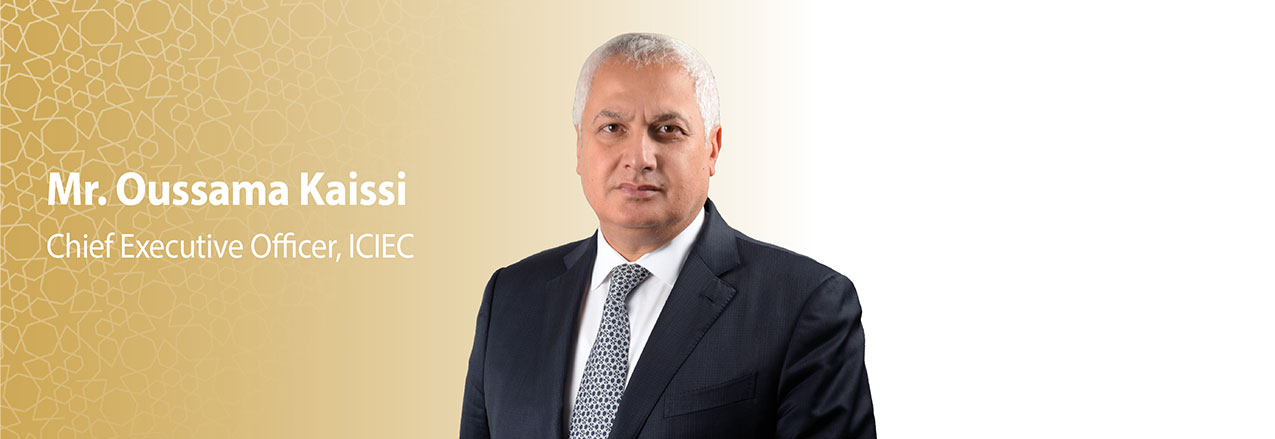
Enhancing De-risking and Credit Enhancement Business in ICIEC Member States
The importance of credit and investment insurance cannot be overstated. For an industry that has been around for over a century, the challenge ahead is not to pay endless lip service to its business case but to enhance awareness and market education among policymakers, regulators, multilateral, national and private sector insurers and Export Credit Agencies (ECAs), banking institutions, insurance providers, exporters, importers, investors and SMEs. This is particularly so in a global geopolitical and economic environment of persistent and evolving risks, precipitated in recent years by the onset and ongoing impacts of the COVID-19 pandemic, the supply chain disruptions and burgeoning fuel and food price rises caused by the Ukraine conflict, the ensuing global economic downturn and cost-of-living crisis which has slowdown the post-pandemic recovery towards pre-pandemic normalisation. The biggest challenge, however, is how to instil the culture of credit and investment insurance among the 57 Organisation of Islamic Cooperation (OIC) member states with its disparate back stories of economies, financial resources, trade and investment architecture, de-risking and payment systems and development agendas. Is there a two-tier approach to trade and investment risk mitigation already entrenched? Mr. Oussama Kaissi, CEO of ICIEC, considers the options for OIC countries as they seek to build on their trade and FDI potential and attractiveness.
Today, around 90% of all global trade relies on some form of credit, insurance or guarantees issued by a bank, insurer or specialist financial institution. As it has done for over a century, the credit insurance industry will continue to evolve and adapt to meet challenges – societal, environmental and economic – that lie ahead and support the real economy.
Credit and investment insurance typically acts as a catalyst that provides financing to the real economy through export and import flows and promotes foreign direct investment (FDI) movements across the globe. By protecting exporters and banks against the risk of non-payment, defaults and expropriation, credit insurance enables cross-border trade and investment.
As the latest data suggests from The Berne Union (International Union of Credit and Investment Insurers), the not-for-profit professional association representing the global credit and political risk insurance industry, the industry demonstrated great resilience and adaptability throughout the pandemic, the crisis in Eastern Europe and the global economic downturn. Over the year 2022, the credit and investment industry supported US$2.83 trillion of cross-border trade and investment (up 5% on 2021) with an additional US$68.6 billion in non-cross-border support for exporters. Berne Union Members, which include ICIEC, collectively provide payment risk capital worth US$2.5 trillion each year, insuring approximately 13% of the value of total global cross-border trade.
A recent survey conducted for The Berne Union Export Credit Business Confidence Trends Index shows that the industry remains confident and positive, despite the high-risk environment and the global economic and geopolitical uncertainties. “Strong global trade performance in 2022 provides cause for optimism, but high inflation, widespread geopolitical risk and the increasing frequency of insolvencies/rising pre-claims means underwriters remain cautious through Q1 2023,” were the sentiments of an overwhelming number of respondents.
The Index tracks perceived demand, risk appetite and claims in the export credit insurance industry, based on quarterly surveys of Berne Union Members. To capitalize on business growth opportunities and increase resilience within key sectors, the survey recommends an approach based on five core features: ‘Adapt and Innovate’, Greater flexibility and support for finance across all stages of the trade cycle, More partnerships between public and private sources of finance and risk capacity, Reduction of barriers, Aligning of incentives, and Increasing coordination across different spheres.
Industry is Well Positioned
Respondents maintained that their industry is well positioned to support economic stability and energy security while also playing a pivotal role in advancing energy transition, food security and resilience, and climate adaptability goals.
Most industrialised countries, and many emerging economies, provide official support to cross-border trade and investment through ECAs. A number of global insurance companies have also introduced credit insurance products representing the private market. There are also four multilateral agencies that provide credit and political risk insurance, focused mainly on specific geographic regions. The latter category includes ICIEC, uniquely the only Shariah-compliant multilateral insurer in the world and a member of the Islamic Development Bank (IsDB) Group. The reality is that many OIC countries are bereft of a national ECA, a gap often unofficially filled by ICIEC by virtue of its de facto engagement with counterparties (usually ministries, state agencies, banks and export trade associations) and adoption by these partners.
Another reality is that of the 57 OIC and 49 ICIEC member states, only 15 are acceded to some sort of membership of the Berne Union, with the latest being the Export-Import Bank of Malaysia Berhad (EXIM Bank) which joined as an Observer Member and participant in the Berne Union’s Prague Club Committee. The 15 members include the Kuwait-based pan-Arab Dhaman (The Arab Investment & Export Credit Guarantee Corporation) and two members from Indonesia – Indonesia Eximbank and PT. Asuransi Asei Indonesia (Asuransi Asei).
Membership in a prestigious international professional body is essential or a panacea to the trade and FDI ambitions and shortcomings of several ICIEC member states. But the lack of participation in industry bodies such as the Berne Union, the Aman Union (the professional forum of Commercial and Non-commercial Risk Insurers & Reinsurers in OIC Member States and members of Dhaman and ICIEC), inevitably deprives partners involved in trade and investment activities in and with member states of getting the necessary exposure to the latest regulatory, legal, market, financial innovation and technical developments, trends, and processes pertaining to the industry. It also deprives them of engaging with potential partners, learning from the experiences of peer best-in-the-industry entities, exchanging ideas and forging partnerships for the future.
As risk absorbers and mitigators, the current status quo represents the credit and investment insurance industry in the OIC countries with both challenges and opportunities. Especially as the global economy is in a rebuilding and reimagining mode in the wake of the pandemic, as well as in pursuit of net zero goals for decarbonisation, and mitigating the impact of the supply chain disruptions caused by the Ukraine conflict, especially in fuel and foodstuffs, which has raised renewed questions about food security and building resilience to future shocks.
State of the Industry in Aman Union Member States
ECAs in AMAN Union member states have generally witnessed rising growth in their operations – both conventional and Shariah-compliant – largely linked to government COVID-19 mitigation emergency packages, the reality is that the culture of credit and political risk insurance (PRI) in many markets remains underdeveloped.
All stakeholders have a role to play to foster increased awareness of credit and PRI, including policymakers, multilateral and private insurers, reinsurers, private sector, businesses, SMEs and industry bodies such as our Union. The benefits and opportunities are implicit, especially in mobilising additional private capital for development from local banks and institutional investors. PRI and credit enhancement have a track record of effectively de-risking and thus catalyzing private investment into emerging markets through capital-efficient instruments.
Channelling investment into sustainable projects presents a sizeable growth opportunity for insurers, especially in infrastructure and development projects. Insurers can design products to reduce risks in infrastructure projects and increase their attraction to investors.
Turk Eximbank’s incisive Technical Performance Analysis 2020-2021 presented to the 13th Aman Union AGM in Dubai in May 2023 shows steady progress of the export credit and investment insurance ecosystem but from a relatively very low base.
The main findings are revealing:
i. Total capital base of Aman Union (AU) member entities was US$13.6 billion at end 2021 – up on the US$10 billion in 2020. Saudi EXIM accounted for 59 percent of the figure in 2021.
ii. Total number of policyholders in 2021 reached 8,493 – up 11 percent on 2020.
iii. Total number of buyers increased from 106,000 in 2020 to 116,000 in 2021, of which Turk Eximbank accounted for 51 percent.
iv. Total AU Business Insured in 2021 reached to US$49 billion – up 17 percent on 2020.
v. Top 5 members accounted for 83 percent of total AU Business Insured, led by Turk Eximbank at 48 percent and ICIEC at 20 percent.
vi. Total Short term Export business increased to US$35 billion in 2021 from US$28.6 billion in 2021.
vii. MT Business insured decreased sharply to US$200 million in 2021 from US$1.7 billion.
viii. Investment Business Insured increased from US$2.5 billion to US$3.1 billion in 2021 with ICIEC accounting for 71 percent.
ix. In 2021, total premium reached US$240 million, up 19 percent on the previous year.
The data reveals a very fragmented export credit and investment insurance ecosystem with a handful of players dominating, especially ICIEC, Turk Eximbank and Saudi EXIM, and the very low base for almost all the various indicators. It shows the huge gaps relative to the developed markets in the advanced economies and the work that needs to be done by member states and entities in almost all facets of the credit and investment insurance architecture, ranging from enabling legislation, regulatory and tax frameworks, risk mitigation strategies, product innovation, capitalisation, market depth, competition, awareness and market education.
In March 2023, ICIEC organized and hosted the 1st Capacity Building Program for the users of the OIC Business Intelligence Center (OBIC) in March 2023, stressing the Role of Credit Information Sharing, Business Intelligence, and Digital Transformation in supporting trade and investment decisions and how the OBIC platform can be used as an improved Credit Risk Management tool that will facilitate access to finance for trade and investment, as well as the mitigation of risks related to those activities.
Benefits and Challenges
The efficacy, benefits and challenges of credit insurance could not be better illustrated by ICIEC’s experience in Senegal. Over the past years, ICIEC has supported numerous landmark transactions and projects in Senegal with an investment totalling US$3.6 billion through risk mitigation, credit enhancement solutions and guarantees. Notable projects include Blaise Diagne International Airport (AIBD SA), Stade du Sénégal (Abdoulaye Wade Stadium), Dakar Expo Center, the Market of National Interest, Hann-Fann Wastewater Collector, and the Dakar Truck Station.
According to Madame Oulimata Sarr, Minister of Economy, Planning & Cooperation of Senegal, “The ICIEC guarantees (and de-risking tools) have enabled the realization of several infrastructure projects in Senegal. ICIEC’s credit and investment insurance products play a major role in project risk mitigation, as they make them more attractive to investors. In addition, these products make it possible to ensure projects are more bankable with foreign investors who have a high-risk perception when it comes to investing in Africa or in developing countries.”
However, several ICIEC developing member states are confronted with various dilemmas. Despite its vital importance in project financing, insurance, they point out, often contributes to the increase in the cost of a project, especially in Africa, which suffers from an unfavorable and biased credit rating. “As you well know, the pricing of insurance premiums is partly based on a country’s credit rating and as rating agencies overstate risk on the continent, African countries find themselves paying very high premiums,” noted Madame Sarr. As one of the most important development banks in the world, the IsDB Group, including ICIEC, could play a key role with rating agencies to change this perception of overvalued risk on the African continent. ICIEC, like other insurers, operate in the real world accountable to shareholders, market conditions, various risk metrics and its mandate.
Senegal’s call to insurers for a reduction in insurance premiums because “lower insurance premiums would help reduce project costs on the continent and make the market more accessible to African private sectors” merits consideration. But this is subject to collaboration, negotiation and demonstrable progress in enhancing the credit insurance culture and ecosystem in member states – an ambition to which ICIEC is committed to.
The benefits for ICIEC member states are potentially game-changing – increased intra-OIC trade and investment, better socio-economic outcomes, greater capacity building, and resilience in meeting climate, food security and other challenges, ensuring that no one, whether businesses, SMEs, or individuals, is left behind. A much greater level of partnerships is needed to close gaps in resources, and capital, which would allow the underwriting of much greater volumes of business and investment insured, reinsurance treaties and guarantees, capacity building, better risk management, and reliable credit history and data collection.