Deep dive to future frontiers for financing farming underwater

Could underwater farming be a major contributor to a sustainable ‘blue economy’? If so, how will ICIEC help enhance the prospects and unlock the potentials for this new dimension in sustainable agriculture? By Tala Alsaati, Strategic Planning and Communications, ICIEC.
According to the United Nations (UN), using just 2% of oceans for sustainable farming could solve our global food shortage. Farming underwater is a revolutionary concept, but one that could provide a real alternative that will help improve global food security. The possibilities are exciting but not without consequences. In this article, we look into the current state of play, the economics, the opportunity, and the extent to which ICIEC could support aquaculture and underwater farming initiatives. One potential approach would be for ICIEC to offer coverage for equipment and resources used in these projects, as well as to facilitate and incentivize trade and investment in the goods produced.
Eliminating hunger on a global level will require adopting and implementing sustainable farming practices that produce a cycle of harvesting, while preserving our environment for future generations. With the global population projected to reach about 9.7 billion by 2050, the UN estimates that food production needs to increase by 60% to meet this demand. Underwater farming offers a promising solution to this challenge by providing fresh produce, increasing food production and supply, reducing the impact of climate change, and promoting sustainable farming method. Through underwater farming, marine life can be protected, CO2 removed from the atmosphere, and freshwater usage cut by 70%; while growing crop that can offer millions of people access to nutritious food, thereby ending food shortages. Ocean farming is a promising way to achieve the Sustainable Development Goals; a feasible path towards achieving Zero Hunger, Life Below Water, No Poverty, Good Health and Well-Being, Clean Water and Sanitation, and Affordable and Clean Energy.
Various initiatives are underway to develop underwater farming, including researching the cultivation of seaweed species, growing vegetables and fruits sustainably, and monitoring pests and diseases. The model requires less area and fewer inputs and can be more productive per unit of land. Additionally, underwater farming can reduce the risk of soil erosion, water contamination, and other environmental impacts associated with traditional agriculture. Underwater farming can reduce reliance on organic farming and biofuels to address food security, keeping prices lower and producing more for economic growth.
The future of financing vegetables and fruits farming underwater is an exciting and vital topic in the global economy, though initial costs may be higher than traditional methods, the marine environment’s abundant resources will boost profitability and economic growth, while helping to protect marine ecosystems. Exploring these options and developing financing mechanisms to support the development of the blue economy; The blue economy, centered around sustainable development and utilization of natural resources, including initiatives like aquatic farming, aquaculture, and other ocean-based activities.
The economic benefits of underwater farming to the blue economy are numerous, as it can provide food, jobs, and revenue to communities. To finance such initiatives, it is important to understand the economics of underwater farming and the potential for profit and return on investment. By making strategic investments, aquatic agriculture can transform global food security, reduce poverty, and promote economic growth.
Underwater farming is a key industry in the blue economy, with the potential to reduce poverty and finally eliminate hunger permanently. Financing new underwater farms is necessary, as the world population continues to grow. The expansion of private enterprises in underwater farming could reduce the financial burden for millions, reducing poverty and food insecurity in low-income areas. Government support for underwater farming is key to the long-term success of the blue economy. It is essential to find potential financing solutions that can help to offset the costs and reduce the risks associated with the project.
Governments, businesses, and international financial institutions should consider financing solutions to offset the high costs of setting up and maintaining aquatic farms. Government investment in underwater farming initiatives can offset the costs of setting up the project and incentivize businesses to invest in the technology. Private funding from investors is also an essential factor in financing underwater farming projects. International financial institutions can support such initiatives by providing resources, expertise, and financing. However, there are challenges in aquatic farming funding, such as the high cost of setting up the project, the risk of failure, and the need for more knowledge and expertise in the field.
Exploring ICIEC’s potential role in underwater farming
The Islamic Corporation for the Insurance of Investment and Export Credit (ICIEC) could play a role in risk mitigation and insurance coverage for underwater farming projects. ICIEC could potentially provide coverage for equipment and resources used in underwater farming, facilitate trade and investment in underwater farming projects, and encourage the use of Islamic financing methods in line with Shariah principles, bringing together investors and project developers to exchange knowledge and best practices, supporting project development, and promoting the growth of underwater farming. ICIEC is committed to supporting initiatives that promote sustainable agriculture practices in a Shariah-compliant manner.
Since inception, ICIEC has had a significant development impact over 29 years, ICIEC has insured US$95 billion in trade and investment and provided US$1.5 billion in agriculture support. Underwater farming offers significant economic benefits to the blue economy, including providing nutrition and employment. To support the development and growth of the blue economy, ICIEC could also work with investors and state institutions to assess the feasibility and sustainability of these projects and provide risk mitigation services. Ultimately, the success of underwater farming depends on a variety of factors, such as water quality, temperature, market demand, and regulatory frameworks. However, with careful planning, innovative solutions, and the support of institutions like ICIEC, underwater farming could potentially be a viable and sustainable solution to global food security and the achievement of SDGs.
New partnerships and investments in this exciting field are needed, so that these potentials can become a reality. With a proper commitment to the blue economy and environmentalism, we can achieve food security and reach all the sustainable development goals. To meet current demands of food shortage and to cover future demand, this would require a 42% increase in land, 120% more water usage. Underwater farms will reduce our reliance on traditional farming that harms the soil and air that could produce 77% more greenhouse gas emissions. Not only does underwater farming provide access to fresh produce, but it also has the potential to significantly increase food production, while reducing the impact of climate change.

Meet the team: What ICIEC does in food security.

Lotfi Zairi, Lead of Operations for Sovereign Risks in the Underwriting Operations Department, ICIEC, addresses the questions about how ICIEC is working to enhance food security across OIC member states.

How does the ICIEC operations department fit and work with the wider IsDB family to promote food security across OIC member states?
In line with its mandate as a Multilateral Developmental Organisation, ICIEC endeavors to support its member states through impactful interventions on their respective economies, population, and environment. Due to the unprecedented crisis driven by the Russian – Ukraine war, ICIEC is extending its top priority to meet the emergency needs and strategic objectives of its member states regarding food security.
ICIEC has been actively engaged in the IsDB Group Food Security Response Program (FSRP), which was approved by an Extraordinary Special Meeting of the Boards of Directors of IsDB, ICIEC, and the Islamic Solidarity Fund (ISFD) on July 28, 2022.
This was initiated sometime earlier by the IsDB/ICIEC Board of Governors during the 47th IsDB Annual Meetings held in Sharm-El Sheikh, Egypt (1-4 June 2022) in the wake of the food crisis amid a record 56.3% increase in cereal prices.
What specific roles does ICIEC take in promoting food security across OIC member states?
Under FSRP, ICIEC focuses on the Least Developed Member Countries (LDMCs) by providing necessary support to active market players, including exporters, contractors, investors, and financial institutions. On an emergency and immediate response basis, ICIEC provides credit and political risk insurance (CPRI) solutions to facilitate the international trade transactions of food, seeds, fertilizers, and agricultural equipment.
On a strategic level, ICIEC plays the role of catalyst for the execution of foreign investments in the agriculture sector that contribute to food resilience through improving supply value chains, increasing food commodity production, and enhancing storage capacity.
Over and above the payment risk mitigation for the broad spectrum of economic players in the food and agricultural fields, ICIEC also mobilizes external financial resources for the benefit of member states via reinsurance arrangements to optimize the benefits of its member states.
This reinsurance support is possible via short-term, medium, and long-term portfolio-based treaties, as well as through ad-hoc facultative arrangements that ICIEC enjoys with international reinsurance institutions worldwide.
How much support has ICIEC provided to OIC member states under the FSRP program?
As of the end of March 2023, since the FSRP’s inception in July 2022, ICIEC approvals related to food security have reached US$301 million. This is already reaching 60% of the total amount of US$500 million pledged by ICIEC for the entire period until December 31, 2025.
This ICIEC contribution to food security support is distributed through all geographic zones of its Member States. So far, the beneficiaries are originating from Sub-Saharan Africa (Senegal and Uganda), MENA (Egypt), and Asia (Bangladesh, Indonesia, and Uzbekistan).
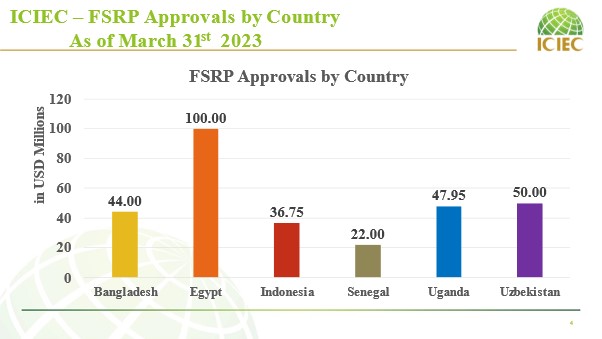
ICIEC’s contribution in this regard is mainly facilitating banking transactions in its member states, enabling the import of agricultural equipment, fertilizers, sugar, wheat and other grains, soya beans, canola, etc. This is in addition to enabling foreign investments for the modernization of the agricultural sector, which will reinforce the Member States’ resilience against food crises in the future.
Is support also primarily based on cooperation and framework agreements?
Aiming at maximizing its support to member countries in overcoming food security challenges, ICIEC has also initiated partnerships with several financial institutions and organizations. In this context, ICIEC signed MoUs with investment and banking institutions to cooperate in facilitating food trade and agricultural investments by blending financing facilities with risk mitigation services in the member states.
In the same context, ICIEC has initiated a business partnership with the Islamic Organization for Food Security (IOFS), a member of the Organisation of Islamic Cooperation (OIC), to promote food security, sustainable agriculture, and rural development in member states. Furthermore, ICIEC is part of the arrangements made with the International Islamic Food Processing Association (IFPA), a subsidiary of IOFS, for facilitating intra-OIC Agrifood and Halal trade.
What other new initiatives can ICIEC roll out to further support food security across member states?
An additional partnership is being discussed with the ISFD to replicate the ICIEC ISFD COVID-19 Emergency Response Initiative (ICERI) program for the FSRP, building on its successful synergy-based experience under the Strategic Preparedness and Response Program (SPRP), a holistic structure that IsDB Group developed to support member countries combatting the COVID-19 pandemic impact, restore interventions and restart growth.
Indeed, under that strategic preparedness and response program, by the end of 2022, ICIEC’s contribution reached US$1.4 billion in approvals for COVID-related transactions and projects. ICIEC was able to offer its risk mitigation solutions and capabilities in resource mobilization from the international market to benefit 15 member countries.
The food sector benefited to the tune of $169 million in those member countries. Also, US$655 million went to the energy sector, US$528 million to health, and $62 million to the SME sector. In addition, ICIEC’s approvals consisted of US$492 million under the Emergency Respond Track (R1), $490 million under the Restore Track (R2), and US$432 million under the Restart Track (R3).
Discussions are also underway to look at revising the ICERI model to offer broader coverage and better terms in coordination with ISFD. The ICERI program was efficiently used to register a total insurance approval of US$271 million. The spirit of its structure already offers a wide headroom for enhancement to support larger ticket sizes, longer tenors, and a more significant number of transactions.
Côte d’Ivoire: A holistic food security strategy
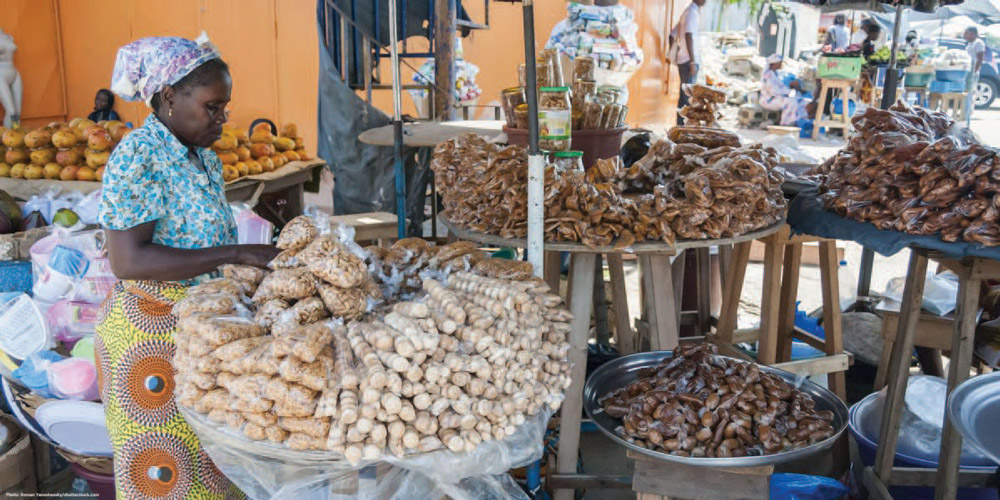
ICIEC and the IsDB Group are well placed to promote food security in Côte d’Ivoire – mainly via financial packages and credit and political risk insurance (CPRI) solutions to bolster international trade for food, seeds, and fertilizers.
Côte d’Ivoire is far from an economic minnow. As the world’s top exporter of cocoa and raw cashew nuts, a net exporter of oil, and with a significant manufacturing sector, the country is the largest economy in the West African Economic and Monetary Union. And despite the COVID-19 pandemic and war in Ukraine, which has amplified food and energy prices and security, Côte d’Ivoire is experiencing one of the fastest sustained economic growth rates in Sub- Saharan Africa in over a decade.
With real GDP growth averaging 8.2% between 2012 and 2019 amid political stability, Côte d’Ivoire successfully contained the pandemic and maintained a growth rate in 2020 (2%). In 2022, growth was driven by private consumption, supported by public investment and wage increases in the civil service. Inflation averaged 5.2% in 2022, its highest level in a decade, linked to rising food, transport, and energy prices. “With soaring inflation, many people in West Africa are struggling to access basics such as food products,” says Ousmane Diagana, World Bank Vice President for Western and Central Africa.
However, medium-term projections are optimistic, provided structural reforms targeting macroeconomic stability are stepped up. The West African country remains on a positive economic trajectory, which will need to be strengthened to accelerate the structural transformation of its economy as envisaged in the new 2030 strategy. But malnutrition and food insecurity remain a challenge with significant regional disparities. Rural communities, notably in western and northern Côte d’Ivoire, are disproportionally more affected and vulnerable.
IsDB Group-ICIEC food security initiatives
The IsDB Group endorsed a US$10.54 billion comprehensive Food Security Response Programme (FSRP) package aimed at supporting member states in addressing the ongoing food crisis and scaling up the group’s continued efforts to contribute to strengthening its members’ resilience to food security shocks in the future.
The IsDB will contribute up to $5.7 billion in total financing to member countries, comprising new approvals worth $4.0 billion and fast-tracking of disbursements for existing projects worth $1.7 billion.
ICIEC has contributed to the IsDB Group’s FSRP by making a pledge of $500 million in insurance capacity over the three and half years (H2- 2022/ YE-2025), knowing that the FSRP is aligned with ICIEC Developmental Objectives and SDG 2 (zero hunger).
ICIEC’s contributions are being realized via the extension of Credit and Political Risk Insurance (CPRI) solutions to facilitate international trade transactions of food, seeds, fertilizers, and equipment related to agriculture projects, in addition to foreign investment in the agriculture sector aiming to increase the production and improving the storage capacity and resilience in member countries under the Building Food and Input Supply Value Chain initiative.
UN and World Bank frameworks
The UN World Food Programme (WFP) has also provided a strategic framework – the 2019-2023 Country Strategic Plan for WFP in the West African country – to mitigate Côte d’Ivoire’s pervasive food insecurity, malnutrition, and gender inequalities, which severely affect smallholder farmers as they struggle with issues of land access and frequent climate-related shocks.
The limited support for food crop production compared with the cash crop sector also continues to have a negative impact on the productivity of smallholder farmers who cultivate 84% of the arable land. Other underlying causes of these challenges include poverty, low education and literacy rates, poor dietary diversity, lack of awareness of good nutrition, health and hygiene practices, the prevalence of highly infectious diseases, and gender inequalities.
The World Bank is deploying short and long-term responses to boost food and nutrition security, reduce risks, and strengthen food systems. The actions form part of the institution’s global response to the ongoing food security crisis, with up to $30 billion in existing and new projects in areas spanning agriculture, nutrition, social protection, water, and irrigation. This financing will include efforts to encourage good and fertilizer production, enhance food systems, facilitate more significant trade, and support vulnerable households and producers.
The WFP’s $715 million Food System Resilience Programme is another approach. It aims to benefit more than four million people in West Africa by increasing agricultural productivity through climate-smart agriculture, promoting intraregional value chains, and building regional capacity to manage agricultural risks.
ECAs can play a significant role in backing the food and water sectors in this West African country. For instance, in August 2020, Swedish ECA, SEC supported a loan to finance the construction of 1,000 drinking water boreholes with solar pumps and the construction of drinking water supply plants and water pipelines to supply 189 Ivorian villages.
Green Future
As global food security challenges mount, tapping the potential of these ambitious climate-smart investments is essential for making Côte d’Ivoire’s economy more resilient, achieving inclusive growth, and combating food insecurity. ICIEC has already supported a raft of ESG-related projects in Côte d’Ivoire, which will positively impact climate mitigation.
“When these elements are put together, not only does it transform the economy, but jobs are created too. That allows young Africans to stay in Africa and make a living from their work by being in Africa,” says the World Bank’s Diagana.
The 2019-2023 Country Strategic Plan for WFP in Côte d’Ivoire, based on the 2018 Zero Hunger Strategic Review, aligns with national priorities. It also seeks to harness the comparative advantages of the various United Nations agencies operating in Côte d’Ivoire to provide a holistic response to food security and nutrition needs. Furthermore, ICIEC can play a more integral role in bolstering agency finance in the West African country, from supporting agriculture and water projects to solar schemes linked to farming.
Fostering food security, resilience, and sustainable growth with IOFS
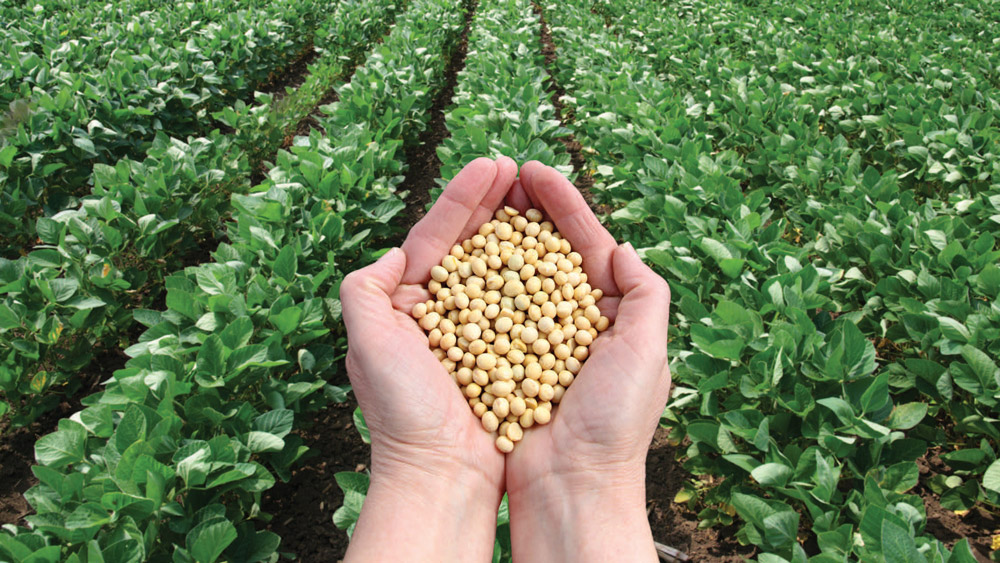

As an entity specialized in food security, can you please highlight the specific roles of the IOFS, from how it functions to how its activities are funded?
Yerlan Alimzhanuly Baidaulet: Allow me firstly to share that the IOFS core mission is ensuring food security, sustainable agriculture and rural development within the OIC geography. In this regard as per its strategic framework, IOFS should safeguard sustainable food security in OIC Member States through their socio-economic development and systemic promotion of targeted programs related to agriculture, science, and technology, humanitarian food aid and intra- OIC food trade.
Secondly, the IOFS has 16 strategic thematic programs, which were designed to respond to challenges identified within 5 main pillars (Food Security Governance, Food Crises Response, Capacity Building, Industrial development and Resource mobilization) towards boosting cooperation between Member States, national, regional, and international organizations for the benefit of agriculture and food sectors and the welfare of people within OIC geography, and Plan of Action for the systemic development of strategic commodities (wheat, rice and cassava) that would need close cooperation with Member States through the dedicated electronic Center of Excellency for all indicated commodities.
Thirdly, programming activities of IOFS are funded basically through mandatory contributions by the Member States or through partnerships with relevant international organizations, including the Islamic Development Bank (IsDB). It should, however, be clarified that the work of IOFS Secretariat emanates from the mandates and interests Member States have provided to. Therefore joint efforts among the Member States focused on the initiatives of IOFS, as the sole OIC specialized Institution focused on the matters related to food security, could also improve their respective agricultural policies. We have been meeting several high-level delegations from different Member States and continuously requesting them to embrace IOFS Strategic Framework and IOFS Vision 2031 as their own documents and as their tools to facilitate intra- OIC cooperation in the field of agricultural development and food security.
To conclude, it is important to note that the development of sustainable agriculture sector and food systems in OIC Member States is mired by a multitude of constraints concerning agricultural resources, infrastructure, policy and international commodity markets. Member States, therefore, are urged to work closely with the IOFS towards addressing such constraints delaying their agricultural efficiency for it to be used as the basic tool for ensuring national food security in OIC geography.
At present, the membership of the IOFS is comprised of 37 countries (out of 57 OIC Member States). Are there plans to get new States on board in 2023 and beyond?
Of course, we want to increase the number of Member States that have full-fledged status with the Organization. In addition to the indicated number of Member States, in 2022 the Republic of Turkmenistan joined IOFS with the Observer status. This is why when there are solemn gatherings at the OIC, including the recently held 49th Session of Council of Foreign Ministers (CFM) in Nouakchott, Mauritania, we call remaining OIC Member States yet not members of IOFS to seize the opportunity to sign its Statute. There is also a stand resolution of CFM calling these same countries to join the IOFS, and in my capacity as Director General of IOFS, I undertake visits to such countries with understanding of clarifying the important work the Organization is implementing and to show them how they would respectively enjoy the benefits of Membership. One of the visits, actually, paid the desired result, as when I was in Ndjamena, Republic of Chad, in May 2022, relevant local authorities embraced the Agenda of IOFS, and in July of the same year, they adhered to the Organization. We will therefore continue with this work, and we expect some countries to join this year and probably at our 6th General Assembly to be held on 02-03 October 2023 in Doha, State of Qatar. We may have new Members signing the IOFS Statute. We expect that the total IOFS country membership as the end of 2023 would exceed 40. In this regard, our country department is dealing with designing all country profiles and following up on all country visits and meetings of the Director General with high authorities of these countries.
What MoUs have IOFS recently signed in its bids to create awareness and promote the importance of food security among Member States?
The Islamic Organization for Food Security (IOFS) maintains a consistent collaboration with a variety of partners within the Member States, including but not limited to business and private entities, civil societies, non-governmental agencies and quasi governmental bodies. Since 2018 and till April 2023 64 memoranda of understanding (MoUs) and Action Plans have been signed with various partners, all aimed at raising awareness and promoting the significance of food security among the Member States. Recent MoUs were signed with Saudi NGO Almukarramah, D-8 Organization for Economic Development, Inter Islamic Network on Water Resources Development and Management (INWRDAM), Nagashima Holdings Co. Ltd, and Arab Bank for Economic Development in Africa. Additionally, IOFS collaborates closely with OIC institutions and has signed an MoU with the Union of OIC News Agencies (UNA), which supports all programs about food security awareness among the OIC Member States.
Which of the OIC Member States have been hit hardest by food security? Are there any emergency initiatives that can be rolled out immediately – and what does long-term support look like in comparison?
The state of hunger and malnutrition within the OIC geogtaphy is better understood by different reports issued by relevant UN Agencies, including the Food and Agriculture Organization (FAO) and the World Food Program (WFP), particularly the Hunger Hotspots Report 2021, conveying the drastic situation of food insecurity in 11 OIC Member States (Afghanistan, Burkina Faso, Mali, Niger, Nigeria, Sierra Leone, Somalia, Sudan, Mozambique, Lebanon and Yemen), which is affecting around 66 million people.
As our work is based on the official mandates, we are now focused on implementing the Afghanistan Food Security Program (AFSP), based on the special resolutions of the 17th Extraordinary Session of OIC CFM, (Islamabad, Pakistan) as of December 2021. This is because, since the events that have unfolded in Afghanistan in August 2021 and culminated with the change of Government on 15th of the same month, international humanitarian agencies have been taking action to avoid the widespread famine continuously now affecting Afghans. It is understood from several reports that job losses and soaring prices as well a big proportion of drug addicted (as per UNAMA statement, 6 million, including kids and women), are creating a new class of hungry in Afghanistan. 22.8 million of Afghans – or more than half of the population – are not consuming enough food. The country has been on the brink of economic collapse, with the local currency at an all-time low, and food prices being on the rise. Acute malnutrition has been above emergency thresholds in 27 out of 34 provinces.
As for African countries, the 49th OIC CFM adopted the resolution on the IOFS Africa Food Security Initiative (AFSI) right after productive Year of Africa in 2022. In this context, we are in consultations with Member States and relevant Institutions to mobilize the necessary cofunding to implement the designed programmes and projects. For instance, we intend to develop the national food security reserves for Mauritania and other countries in the Sahel to ensure that they have food stockpiles in times of crisis. We have initiated there high-level consultations which the IOFS Team undertook in Nouakchott to exchange views with the local authorities on how to proceed. We expect to do the same with other Sahelian countries once the pilot project in Mauritania is successfully implemented.
Another case is an Integrated Water Plan in Niger with support of eminent technical partners as INWRDAM (Jordan), CEDARE (Egypt), and KGS (Kazakhstan Aerospace Authority)
Given the impact of the Russia-Ukraine war on supply chain in general, and the respective disruptions to wheat and barley exports globally in particular, are there any other macro-economic factors driving food security challenges in the OIC Member States? And how can further such challenges be mitigated by the IOFS?
My initial thought is that the Russia-Ukraine issue has, somehow, unmasked the current situation and level of food insecurity within many of OIC Member States. As such, while being unfortunate, it could also be an opportunity for all of us active in the field of food security and agricultural development within the OIC geography to rethink the way forward and how to scale-up joint efforts to mitigate the consequences from the crises we are witnessing.
You may be aware that there are other factors contributing negatively to food security aside the armed conflict. Those are, for instance, increasing population and level of urbanization, poverty, degradation of resources, high movement of refugees, and climate change, and the nefarious Covid-19 pandemic.
If we look closely to the issue of climate change, we come to the understanding that it is especially noticeable in the most of Muslim majority countries, having an historical tendency of an agriculture production to be unfortunately vulnerable to the weather. This situation is worsening by the population growth and other factors mentioned above, posing a real challenge for the food security for a major part of our Member States.
In this regard, the IOFS is working towards fostering climate-smart agriculture and agriinnovations for food production by implementing its Program “Climate Impact/ Resource Management” under IOFS Strategic Vision 2031. We at the IOFS therefore encourage programs related to climate change and the rational management of resources to reduce poverty and hunger in the OIC Member States based on three clear goals:
- Combat desertification and mitigate the effects of drought with the particular focus on i) Irrigation environmentally friendly technology and ii) Sky management and clouds to cope with drought.
- Agriculture & Natural Resources by i) Preservation of Agricultural Ecosystems and ii) Valorising natural resources.
- Reducing Greenhouse Gas emissions in agriculture without compromising food security by cultivation practices to reduce carbon dioxide, Methane and Nitrous oxide in the soil, while encouraging organic farming and smart agriculture, as well as livestock and feed additives.
Basically, the Key Objectives of IOFS in the nexus climate change vs food security is to address problems posed by desertification, deforestation, soil erosion and salinity.
The second challenge is also related to technological gap that affecting most of the Member States, particularly in the field of basic agriculture. To this extent, the IOFS is, at present, developing the Vertical Farming Industry project aiming at using the most advanced technologies in this field and decrease of cost production of all 6 different components (like aluminum profiles, fertilizers, plastics etc.), which all are available in the IOFS hosting country, so the OIC Member States would easily afford and enjoy such a technological advancement.
The other issue influencing food security within the OIC geography is trade between regions and across borders, which may help adjust to changing conditions affecting food production as a result of climate change, well-functioning regional value chain across agro-food sectors also opens up opportunities for producers in developing economies (as most of the OIC Member States) to contribute to economic development in their local communities.
Also, the IOFS has developed a simple, understandable, and robust Index to measure the level of food security in member countries. The IOFS Food Security Index (FSI) is a critical tool in understanding the level of access, availability, and utilization of food resources among member countries. The FSI model is an essential instrument for monitoring and evaluating food security programs and policies and ensuring effective implementation. And therefore, IOFS pays special attention to conducting relevant studies to assist and promote the sufficient improvement of food security, statistics specially upon its unique Food Balance Database.
It is therefore very important for OIC Member States to scale up their intra-OIC cooperation in this particular field, as well, and the IOFS, as always, is ready to support the Member States by providing the platform for business exchanges, particularly, through its Subsidiary entity, Islamic Food Processing Association (IFPA) which recently relocated to Dubai (UAE) as a global business hub.
Food security and ICIEC: Endeavouring to
meet the challenges of SDG2
Food security in a fragile world has come starkly to the fore as an issue given the backdrop of conflict in Ukraine, recent natural disasters, climate change, and the impact on access to vital agricultural products and food. Here we look at the initiatives ICIEC has been supporting, the partnerships made, and the impact they can have in improving food security and underpinning the development of more resilient access to food.
The global food security crisis is having a particular impact on many OIC member states, and ICIEC is ready to address the challenges its member states face. Food security has always been one of ICIEC’s core objectives in its singular position as the world’s only Shariah-Compliant trade and investment insurer catering to the needs of its member states in the Islamic world.
The second of the United Nations’ 17 Sustainable Development Goals (SDG2) is to end hunger, achieve food security and improved nutrition, and promote sustainable agriculture. By the UN’s admission, the world is not on track to achieve SDG2 by 2030, and the Organization has asserted that a ‘profound change’ is needed in the global food and agricultural system to stand a chance of reaching the goal.
In the Food and Agriculture (FAO) of the UN, the data is stark. Chronic undernourishment is a burden for more than three-quarters of a billion people worldwide, and according to the World Bank data from 2020, at a time before the COVID pandemic had unrolled, the Middle East and North Africa (MENA’s) share of the world’s acutely food insecure people was 20%, disproportionately high compared to its 6% share of the global population. The combination of geopolitical tensions, the war in Ukraine, the aftermath of the COVID pandemic, high energy prices, and a slew of natural disasters and climate issues have all combined to increase food insecurity and commodity price pressures for countries that have had to import many vital agricultural goods.
ICIEC’s response is also part of a global context and can be set amid the backdrop of the UN’s Global Crisis Response Group on Food, Energy, and Finance (GCRG), which was set up in March 2022, and the Islamic Development Bank Group’s comprehensive Food Security Response Program (FSRP), launched last July. GCRG allows the UN Secretariat to coordinate the global response to the worldwide impacts of the war in Ukraine on global food, energy, and finance systems.
The IsDB Group’s contribution is a US$10.54 billion comprehensive FSRP package supporting member states, including 27 in Africa, in addressing the food security crisis. In that program, ICIEC has the potential to provide US$500 million in Credit and Political Risk Insurance (CPRI) coverage.
In all, IsDB Group backs total financing support of over US$20.6 billion for agriculture and food security in 1,538 operations – and its ‘One Group One Goal’ approach enables all areas of food security to be covered cohesively throughout the group.
ICIEC’s role in the routes to ensure food security
There are many different routes to ensuring food security – and one key track is to help provide the crucial infrastructure that underpins a country’s ability to transform its resources. Supporting the agricultural sector in member states to help improve food security and help end hunger has been a critical tenet of ICIEC’s endeavors.
Since it was established in 1994, ICIEC has supported more than US$ 1.5 billion in the agricultural sector, which has helped improve the incomes of farmers and food producers, particularly in the least developed member countries (LDMCs).
Regarding projects that underpin SDG 2, ICIEC has stood firmly on both sides of insuring the trade and investment needs of the agriculture sector in member states. In practical terms, that means providing comprehensive protection for exporters of agricultural goods, technologies, and equipment. That support allows exporters to sell goods into riskier countries and helps support their cashflows and potential operational risks.
Indeed, ICIEC’s CPRI for agricultural machinery exporters means the companies can export to more risky countries, which has the knockon effect of allowing governments and companies in those riskier countries access to more productive assets. This bridges the gap that enables countries to develop their local food market productivity and, for instance, ultimately helps them become less reliant on expensive imports.
For instance, in 2022, Komatsu, one of the world’s largest manufacturers of agricultural Machinery, was able to export vital agricultural equipment to Turkmenistan from Japan as a result of a US$40 million insurance policy issued to ING Bank (Tokyo branch). The cover to mitigate non-payment risk comes under the Non-Honouring of Sovereign Financial Obligations for the extended financing facility to the Government of Turkmenistan through the State Bank for Foreign Economic Affairs.
ICIEC in the FRSP – a mandate to 2025 that’s already ahead of the target
The FRSP program will reach through 2025 and is principally focused on working on cuttingedge interventions to address structural weaknesses and root causes of food insecurity in the medium and long term. Common themes need to be addressed, including low productivity, rural poverty, and lack of resilience in regional and national agricultural food systems. The six primary initiatives being undertaken are:
- Building agricultural resilience to climate change
- Food and input supply value chains
- Improving market access and productivity for smallholders
- Supporting rural livelihoods
- Developing livestock and fisheries
- Building resilient food supply systems.
Within the FRSP, which spans to December 2025, ICIEC’s contribution of US$500 million in insurance capacity is being made through the extension of CPRI solutions to facilitate international trade transactions (food, seeds, fertilizers, and equipment related to agriculture projects) and foreign investment in the agriculture sector aiming at increasing the production and improving the storage capacity of, and resilience in member states under the initiatives on building food and input supply value chains.
In practice, ICIEC has been facilitating banking transactions in its member states to help with imports of agricultural equipment, fertilizers, sugar, wheat, other grains, soya beans, and canola. It has also been supporting investments to improve the modernization of the agricultural sector in member states.
By the end of the first quarter of this year, total approvals under the program relating to food security had already reached US$301 million, up dramatically from the total approvals that had already reached US$159 million at the end of December.
Who can access ICIEC interventions? In short, importers, contractors, investors, and financial institutions for member states. The main focus is on the Least Developed Member Countries (LDMCs), and beneficiaries come from all geographies, including Sub-Saharan Africa, Asia, and MENA.
The countries receiving approved support under FRSP by the end of March 2023 include Egypt, Uzbekistan, Uganda, Senegal, Bangladesh, and Indonesia.
ICIEC is also mobilizing external financial resources to get member states to benefit from its international reinsurance partnerships. This reinsurance support is possible through short, medium, and long-term portfolio-based treaties and facultative arrangements on automatic facility or a single transaction basis.
Building on the lessons learned during the COVID crisis
Under the Strategic Preparedness Response Program (SPRP) developed during the pandemic, ICIEC helped advance US$169 million to the food sector in 15 member states. The SPRP was designed in three parts (the three Rs) – to respond, restore and restart member states’ economies during and after the crisis and deliver immediate and long-term support for resiliency.
In the broader context, from US$514 million of approvals in 2020, the first year of the SPRP, ICIEC reached US$1.4 billion by the end of December 2022, nearly ten times the initially pledged amount of $150 million. This total applied to 46 transactions and projects in favor of 15 member states.
It also included US$271 million under the ICIEC ISFD COVID-19 Emergency Response Initiative (ICERI) program in cooperation with the Islamic Solidarity Fund for Development (ISFD). Discussion is progressing to expand the reach of the structures used under ICERI to use under FRSP and to help support more significant deals with longer tenors.
Putting partnerships on food security into practice
Ensuring and improving food security is a delicate topic and necessitates wide arms around deep partnerships to make it happen in practice. ICIEC emphasizes its outreach to public and private sector bodies through relationships with other multilaterals and industry bodies and direct contact with companies internationally.
ICIEC has signed Memorandums of Understanding and Strategic Partnership Agreements with the Islamic Organisation for Food Security (IOFS) and its specialist subsidiary, the Islamic Food Processing Association. ICIEC has been collaborating on food security enhancement since signing an extensive MoU two years ago with IOFS [See also the profile interview with IOFS Director General, HE Professor Baidaulet].
ICIEC also signed an MoU in 2022 with the Islamic Chamber of Commerce and Industry (ICCIA), an affiliated institution of the OIC and the umbrella body for the private sector in the 57 Islamic member states. Cooperation will be broad and includes helping the development of the Halal industry worldwide.
These arrangements allow for the sharing of ideas and specific cooperation in attracting and promoting foreign investment in agribusiness and food security as well as in the technical and financial infrastructure, such as due diligence, KYC, and credit search documentation.
Other notable MoUs with private companies in 2022 include that with Al-Rajhi International Investment Company (RAII), a subsidiary of Sulaiman Abdulaziz Al-Rajhi Awqaf Holding. This is one of the largest business groups in Saudi Arabia, with core activities including investments in the food and agricultural sectors, both domestic and international. The company owns the biggest organic agricultural project in Saudi Arabia and an integrated poultry project in Egypt, and it exports its products to neighboring GCC countries, Yemen, China, and Vietnam.
[For further information on ICIEC’s role in helping improve food security, see the interview with our team member Lotfi Zairi, the lead underwriter of operations for sovereign risks in the underwriting operations department at ICIEC]
Meet the team: ICIEC In Five


We are happy to share an insight into ICIEC’s workings in our meet the team feature. Here we show you what key team members do with us, how and why. This quarter we introduce you to Miguel Kosasih, who is Country Manger at ICIEC’s Jakarta Office. We asked Miguel five questions to get a steer on his work in Indonesia, and wider Asia, and gain a view on the important role ICIEC is playing in Asia, particularly in the energy transition.
1.What is it you do at ICIEC, and how did you get here?
I’m currently serving as Country Manager for ICIEC’s Jakarta office in Indonesia. This position, which is a real privilege to have, is mainly a business origination and development role. I’m responsible for developing and expanding ICIEC’s de-risking interventions and portfolio for both inward and outward trade transactions and investments between ICIEC Member States in the South-east Asia (SEA) region, which includes Indonesia, Malaysia, and Brunei Darussalam.
I joined ICIEC in late October 2019, only a few months before the pandemic outbreak. Before that, I spent around 10 years working at PT Asuransi Asei Indonesia, which is Indonesia’s national Export Credit Agency (ECA). That was where I first got introduced to export credit and political risk insurance, and the ECA world in general. Prior to assuming the ECA role, I had a brief stint working on the legal staff at a private commercial bank, but I realised I wasn’t keen to pursue a career as a corporate or litigation lawyer, despite obtaining both my undergraduate and postgraduate degrees in international public law. I was initially drawn to becoming a public servant to the country either as a diplomat or trade attaché, but not long after I was immersed in this specialised industry, I realised that working for the national ECA offered the same level of contribution, given its strategic mandate to support the country’s exports through risk mitigation.
Having been assigned and rotated to various functions during my 10-year employment at the ECA, which included marketing, product development, reinsurance, underwriting, claims and recovery, I had the opportunity to acquire the technical know-how, experience, and operational oversight of how export credit and political risk insurance inquiries are managed and processed from front to back end. This is what prepared me for taking on this important role at ICIEC and made my transition to and familiarisation with ICIEC’s solutions and internal processes a lot easier.
2. What does your typical day involve/tell me about your team in Indonesia and how it works, and the markets you cover in Asia?
At ICIEC’s Jakarta office, I work in tandem with another colleague, Shaiful Kamarul, who is assigned as Senior Country Manager. He essentially led the establishment of the office and started ICIEC’s ground operations in the country and region in 2018, one year before I joined ICIEC. He is a Malaysian national, which makes our overall communication and coordination in distributing the tasks and responsibilities easier, given our similarities in culture and language. He focuses more on the Malaysian market, and I on Indonesia. Inquiries for (and from) Brunei Darussalam and other Asian markets such as Singapore, Hong Kong and China are distributed equally between us.
ICIEC’s Jakarta office is integrated within the Islamic Development Bank (IsDB) Group Regional Hub of Indonesia, which in total, comprises around 30 employees. The hub is led by an IsDB hub resident, who is supported by an IsDB country manager, several operation team leaders and supporting staff, all managing the interventions of the IsDB for the same SEA member countries as ICIEC. We also have colleagues from our sister entity, the International Islamic Trade Finance Corporation (ITFC), which is the trade financing arm of the IsDB group.
The IsDB Group synergy has been one of the key success factors for raising ICIEC’s brand awareness and expanding its interventions in Indonesia and the SEA region. We have an existing insurance policy with ITFC, where we provide them with non-payment/credit default risk insurance cover for Indonesian export clients that they finance, allowing ITFC to expand its trade financing interventions to support private sector Indone- sian exporters’ working capital requirements which eventuallycontributes to the member states exports.
We also work closely with our IsDB colleagues in identifying and originating potential transactions for joint intervention. As Indonesia is a direct borrower from the IsDB, our IsDB colleagues work closely with the government, especially at the ministerial level, which helps us at ICIEC identify potential pipelines of strategic projects where ICIEC could also contribute through its risk mitigation/de-risking solutions complementing the overall interventions of the IsDB Group to our member states.
All colleagues of the regional hub have formed a close bond with each other, which has created a family-like working atmosphere and makes coming to the office, while putting in the extra working hours to ensure smooth coordination with our HQ in Jeddah (as Jakarta is four hours ahead of Jeddah), even more enjoyable.
3. How does your role empower your clients – energy transition in Asia?
One of our key roles/functions as business development is to identify the financing and investment needs of our member states to support their national development plans and connect those needs to the resources that we/ ICIEC have in our own network. This is the same approach we apply when it comes to supporting our member states throughout their ‘net zero’ journeys in executing their energy transition plans as per their National Determined Contributions (NDCs) and commitments as signatories to the Paris Agreement.
As Asia is the highest contributor to the globe’s CO2 emissions (52%), there is an astounding $40 trillion estimated funding gap for Asia to achieve its net zero targets by 2050. If you include Central Asia, we have around 12 member states from the continent. Each one of these is economically (and politically) differently situated. Each has different energy transition blueprints, climate frameworks and policies, resources/means and timelines to achieve their net zero targets. Some member states have easier access to financing/liquidity than others.
Business development is placed at ICIEC’s front line for its member states; hence it’s our role to do any necessary canvasing, to conduct and participate in dialogues with key stakeholders involved in each country’s climate framework, to identify the gaps that our member states governments require support for and treat those gaps as opportunities for ICIEC to step in and mobilise its resources through our de-risking solutions.
Indonesia, for example, requires around IDR3.416 trillion/$221 billion to reach its NDC target in 2030 (reducing CO2 emissions by 29% or 41% with international assistance) and around IDR28.2 trillion/$1.8 trillion to become net zero in 2060. The government can only spend around 35% ($60 billion) of its budget to reach its NDC target in 2030 and is reliant on other sources to fill this funding gap.
Together with the IsDB Group, we have been in discussion with several key state-owned institutions that require financing to support Indonesia’s energy transition plan, which is included under the ‘SDG Indonesia One-Green Finance Facility (SIO-GFF)’, a platform devised by the Indonesia MoF to blend public and private financing (blended finance) aimed at channelling SDG-related infrastructure projects including energy transition, the first phase of which will mainly be focused on gradually decommissioning Indonesia’s coal-fired power plants and the second phase will be focused on developing new renewable energy assets.
4. What is the one thing about ICIEC that you think should be better understood by the wider world?
ICIEC’s role in our member states’ energy transaction and sustainable development, in general, is essentially catalytic. As an insurance provider, we may not be able to directly provide the financing to the projects, but we can mobilise resources by connecting those projects, and their stakeholders to the financial institutions that we work with that are already frequent users of our Political Risk Insurance/Foreign Investment Insurance policies, and that are also well familiarised with our internal due diligence and credit approval processes.
The financial institutions that are our policyholders not only benefit from the reduction on their risk-weighted assets, ensuring they obtain some degree of capital relief provided to them under our insurance policies but are also able to benefit from our Preferred Creditor Status (PCS) if, under a worst- case scenario, our member states borrowers fail to honour their financial obligations to our financial institution partners/insurance policyholders.
In addition to mobilising the financial resources, through our non-payment/contract frustration insurance programme, ICIEC can also bring in EPC companies that are well experienced in specific infrastructure sectors allowing our member states to get the expertise and technology transfer necessary to complete their strategic projects.
In essence, ICIEC offers a variety of de-risking solutions which enables us to support a particular project from different angles through different stakeholders.
5. What is your ‘superpower’?
If I were to define my own superpower as a unique quality or trait, it would be an innate drive to support those around me. I strive to assist my colleagues whenever they need guidance on work-related matters, believing that sharing knowledge and exchanging experi- ences strengthens our collective intelligence. This, in turn, elevates the standards of the entire institution and reinforces my commitment to fostering a culture of teamwork and support.
Indonesia Country Profile: Project and Export Finance Enroute to Energy Resilience and Sustainability
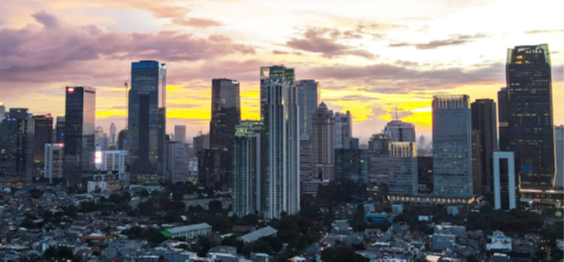
A focus on Indonesia from the perspective of how Indonesia engages with renewable energy and decarbonisation initiatives. Here we look at the themes emerging in export and project finance through the perspective of a funding strategy for Indonesia. How are the private sector, export credit agencies, development banks, and organisations such as ICIEC engaging with financing energy transition in this OIC Member State
Indonesia has been an active project and export finance market over the past five years. According to TXF Data, Indonesia was the second biggest user of ECA debt in Asia-Pacific, with a total volume of roughly US$80 billion since 2018, only second to Vietnam.
Deal volume was mostly driven by the power sector (around US$7 billion of export credits over the same period), followed by manufacturing & equipment (US$2.4 billion) and telecommunications (US$570 million).
Conventional power, from coal and oil to gas-fired power generation, accounts for 90% of baseload power in Indonesia. So, the world’s 16th largest economy has a long way to go before realising carbon neutrality by 2060, even with the government’s ambitious targets. That means significant long term financing will be needed.
Climate mitigation targets
The government of Indonesia has always had a strong commitment to tackling climate change and achieving the Sustainable Development Goals (SDGs). For example, in 2016, under its Nationally Determined Contribution (NDC) to limit global warming by 1.5 degrees Celsius, Indonesia ratified the Paris Agreement and pledged to reduce emissions by 29% under its efforts and by 41% with international support by 2030.
But more recently, in 2022, according to the latest Enhanced NDC document from the Glasgow Climate Pact, Indonesia has committed to increasing its targets to reduce greenhouse gas emissions. The target has now increased from 29% to 31.9% and from 41% to 43.2% with international assistance by 2030.
The energy sector, specifically, with a focus on the energy transition to new and renewable energy, is expected to reduce emissions by 358 million tons of CO2e with its efforts and 446 million tons of CO2e with international support.
Renewables capacity
Indonesian decarbonisation can be compounded by upping renewable energy generation – which stands at 3,000GW – given the favourable geography of the country comprising solar, hydro, wind, bioenergy, ocean, and geothermal.
But renewables as a sector have only been financed to the tune of US$540 million over the past five years, which is very small when pitted against the volume of conventional power finance over the same period. In short, there is real potential for agency finance – as well as Islamic finance – in Indonesia, especially for green projects, as ECAs and DFIs can provide significant comfort to both international and local banks eyeing this asset class.
And with ICIEC well placed to support this OIC Member State, given its ESG-related investments and Shariah-complaint product suites, there is real potential for greater ECA involvement in the Indonesia renewables market.
The TXF perspective
Winding down carbon-intensive assets is essential if the race to net zero is to be won. But accelerating the deployment of energy so that renewable energy comprises at least 34% of all power generation by 2030 means that green projects need to be top of the financing agenda.
International ECAs are no strangers to Indonesia, but there is an imperative to shoulder more green projects. This is especially key in fledgling renewables sectors, such as floating solar schemes.
A precedent financial template exists in Indonesia for a floating solar project deal. In 2021, the Cirata reservoir in West Java was used for the 145MW Cirata floating solar project, developed by PT Pembangkitan Jawa Bali Masdar Solar Energi (PMSE), a joint venture between Masdar and PT Pembangkitan Jawa‑Bali (PJBI), a subsidiary of Indonesian state-owned energy company PT Perusahaan Listrik Negara (PLN). PJBI holds a 51% stake in PMSE, while Masdar holds a 49% stake. The project benefits from a 25-year PPA with PLN at a tariff of US$0.0582/kWh.
While the Cirata deal reached close without ECA or DFI support, this nascent sector is expected to gain momentum over the coming years. Sunseap Group also signed an agreement in 2021 with local development authority BP Batam for the construction of a 2.2GW floating solar project at the Duriangkang Reservoir in Batam. The Cirata financing has been seen as a marker of the success of the burgeoning floating solar sector in several Asian markets.
Also, expect ECA support to emerge on the refinancing and reinsurance agreements, not just for green projects, but for conventical power too. Gas-fired plants in emerging market economies will be needed in the short term to help dovetail the energy transition. After all, gas is significantly less carbon-intensive than oil and coal plants. And while ECAs have retreated from supporting coal (unless ultra-supercritical technology is used), gas is very much a transitional fuel in the wake of the pandemic and the war in Ukraine.
Profile Interview: Indonesia's Suminto on Engaging Bold Plans for Energy Transition with the Help of Islamic Finance
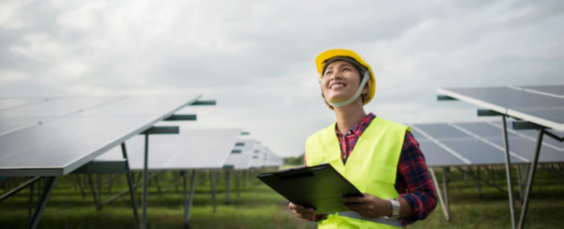
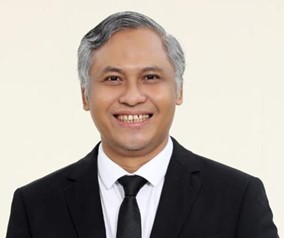
Indonesia has been an innovator in financing its large sovereign Sukuk in 2021, with the dimension of the green Sukuk, an Islamic bond designed to finance green investments, and has recently issued its first SDG bond. We profile HE Suminto Sastrosuwito, Director General of Budget Financing and Risk Management at Indonesia’s Ministry of Finance and get his views on his role in financing and how Indonesia plans to finance the energy transition.
How do you view the role of the Ministry of Finance of the Republic of Indonesia in supporting Indonesia’s agenda on the energy transition?
Suminto Sastrosuwito: The energy transition is vital, given that the world is currently dealing with the consequences of climate change. It is also critical for Indonesia given that 90% of the country’s energy sector remains reliant on fossil energy, which is one of the main contributors to greenhouse gas emissions. Indonesia has considerable resources of renewable energy, more than 3,000 GW, comprising solar, hydro, wind, bioenergy, ocean, and geothermal.
The Government of Indonesia has a strong commitment to tackling climate change and achieving Sustainable Development Goals (SDGs). In 2016, Indonesia ratified the Paris Agreement (through Law No. 16 of 2016). In the Nationally Determined Contribution (NDC), in order to prevent global warming of 2oC, the Government of Indonesia has pledged to reduce emissions by 29% under its own efforts (business as usual) and by 41%, with international support, by 2030. In 2022, according to our latest Enhanced Nationally Determined Contribution (NDC) document, Indonesia has committed to increasing its targets to reduce greenhouse gas (GHG) emissions. The target has increased from 29% to 31.9% [by the country’s own efforts alone] and from 41% to 43.2% with international assistance by 2030.
The government even raised this target towards net zero emission (NZE) by 2060 or earlier in accordance with the Glasgow Climate Pact to limit global warming by 1.5oC. In particular, the energy sector, with a focus on the energy transition to new and renewable energy (NRE), is expected to reduce emissions by 358 million tons of CO2e with its own efforts and 446 million tons of CO2e with international support.
The target is quite ambitious and requires substantial financing, for which I believe the Ministry of Finance is playing a leading role in formulating a financing strategy. The commitment signifies the need for dedicated and long term financing, which is estimated to be worth at least 25% of Indonesia’s Gross Domestic Product (GDP), just to achieve the 2030 target. It is estimated that the government could only cover less than 30% of the financial needs through the state budget (APBN), while the private sector is expected to participate [to cover] 22% to 25% of capacity. Consequently, an additional 40%-55% of financing must be raised from other sources.
Therefore, the Government of Indonesia has issued a number of fiscal incentives or tax facilities to mobilise private investment in green projects and green industry, including tax holidays, tax allowances, as well as facilities on VAT, import duty, and property tax. In addition, the Government also provides facilities for green projects procured through the PPP scheme, such as the project development facility (PDF), the viability gap fund (VGF), and government guarantees.
We also develop innovative financing strategies through the optimisation of the state budget and mobilising funds from external sources. Various innovative financing instruments have been created to support the transition. The issuance of green Sukuk has been carried out since 2018 to fund the transition towards a low-carbon economy. Some Special Mission Vehicles (SMVs) have been established to mobilise and manage funds or develop sustainable projects, including the Indonesia Environment Fund (BPDLH), SDG Indonesia One (managed under PT SMI), and the Indonesia Investment Authority (INA).
We also encourage collaboration with development partners and optimising the role of SMVs, including PT SMI, IIGF, and Geo Dipa Energi, to contribute to the implementation of policies related to climate and energy transition. Furthermore, we coordinate with other core ministries and related institutions to ensure synergy and synchronisation of the climate policies taken by each institution. Lastly, we also actively promote these initiatives both in domestic and international forums to encourage collaboration and maximise opportunities to attract investment and financing from global communities and the private sector.
During Indonesia’s G20 Presidency, the government encouraged climate-related finance and sustainable infrastructure as being among the main agendas. Furthermore, as a concrete step forward in energy transition, in November 2022, during a side event of the G20 Forum, the Ministry of Finance proudly launched the Energy Transition Mechanism (ETM) Country Platform. The platform is aimed at mobilising international and private participation in financing ETM projects in a blended finance scheme.
Can you tell us about the path to success of the global Sukuk in 2021, particularly the green Sukuk? How are its proceeds being used?
Suminto Sastrosuwito: Indonesia has successfully raised over US$6.8 billion through multiple rounds of green Sukuk issuances in global and domestic markets. The proportion of green investors has also shown a trend increase, from 29% in the 2019 global green Sukuk to 33% and 57% in the 2020 and 2021 global green Sukuk issuances, respectively, and 36% in the 2022 global green Sukuk. These showcased how the global community is willing, if not committed, to take part in the green recovery movement. The shifting paradigm of investment towards a more sustainable preference has supported the green Sukuk market as a growing source of finance to address climate change even amid the pandemic. Hence, there is a remarkable momentum for public private financing of SDGs unfolding across the globe.
More governments are turning to public finance instruments to catalyse private investments for economic, social, and environmental goals. As a result, the number of thematic bonds and Sukuk (such as green, social, and sustainability bonds and Sukuk), and the size of the market, are growing, and green and responsible investors are getting more excited about the coming years.
Further to investing in projects reducing GHG emissions – projected to be up to 10.5 million tons of CO2e – proceeds from Indonesia’s green Sukuk have supported the construction of over 690 kilometres of railway tracks, an increase of 7.3 million kWh of electricity capacity, and improved solid waste management for more than 7.8 million households.
What are your plans for fundraising internationally in the Sukuk market in the future, particularly given international financial headwinds (and dollar strength) now? Do you plan to issue more SDG bonds?
Suminto Sastrosuwito: For Indonesia, international Sukuk issuance is intended to diversify the government’s financing instruments as well as broaden our investor base. It is not only part of our overall debt portfolio management strategy for achieving optimal cost and risk, but it also contributes to the growth of the Islamic financial market, specifically Sukuk.
We believe that as we head into 2023, the market backdrop will remain supportive for a new Indonesia Sukuk issuance. In line with this, we are confident that investors would be highly supportive given Indonesia’s strong credit profile and supportive supply and demand dynamics.
We expect the Sukuk industry to remain strong, given elevated oil prices and strong demand from Middle Eastern investors. Furthermore, given ample funding, GCC sovereign issuers are expected to issue fewer bonds next year.
As for the Sukuk structure, the current asset-light Wakala structure has already been widely accepted by Islamic investors globally and is aligned with the requirements of Islamic investors (including UAE investors, following the adoption of AAOIFI Shariah standards).
Indonesia is committed to tackling climate change issues through fund mobilisation, one of which is green Sukuk issuance.
As for thematic Sukuk, Indonesia has demonstrated thought leadership in pursuing Sukuk and green structures and unlocking liquidity in key investor hotspots such as the Middle East and Europe.
To further strengthen its leadership in green structure innovation, Indonesia will maintain its status among the world’s most sophisticated sovereign issuers through constant and consistent development in the thematic Sukuk markets.
What lessons can you share with other OIC Members planning to raise funding using Islamic finance (for instance, what have been the challenges and how have you managed to overcome them)?
Suminto Sastrosuwito: The enactment of Law No.19/2008 on Sovereign Shariah Securities, [namely Sukuk Negara] led to the government of Indonesia issuing IDR4.7 trillion in sovereign Ijarah Sukuk in that year alone. Since then, total issuance has now reached IDR1,919.77 trillion through various Sukuk structures and issuance methods (auction, book building, private placement), both in rupiah and foreign currency (US dollars).
With 13 years of growth, Sukuk Negara has played a vital role not only as an instrument of state budget financing, including funding infrastructure projects but also as a key driver of Islamic finance sector development in Indonesia.
Many supporting infrastructures for Sukuk Negara issuance have been established and improved, including the legal framework for its issuance and management, Sukuk structure and underlying assets, methods of issuance, and types of instruments, as well as the development of a domestic and international market and investor base.
Aside from the market infrastructures mentioned, the country needs to keep making progress and have a strong presence in the market in order to move forward.
To put emphasis on the challenges in our latest development of green Sukuk:
- Thematic bonds/Sukuk necessitate additional effort: framework preparation, framework review by a third party, impact reports, and report assurance (audit) by an external auditor.
- It’s important to have the right partners who are knowledgeable and trustworthy to help with framework development, issuances, including investor meetings, and impact reporting.
- The need for strong commitment and coordination from all stakeholders, especially line ministries,
- To encourage more parties to issue green/SDG instruments, incentives, particularly pricing benefits (‘greenium’), are required.
- There is still much work to be done to combine Islamic finance and social finance for efficiency and convenience of transaction, including providing incentives to encourage involvement.
How are you working with the private sector to help energy transition financing in Indonesia?
Suminto Sastrosuwito: To achieve the NDC commitment, climate change mitigation costs need to be around US$281 billion (according to the Third Biennial Update Report 2021). The state budget capacity could only finance about 20-27% of the total financing needs. Meanwhile, the private sector is expected to operate at 22-25% of capacity. Consequently, there is a funding gap of approximately 40-55%. The energy and transportation sectors have the largest needs, at around US$246 billion.
The roles of the private sector and global investors are very important to support the energy transition, especially to fill the financing gap. We also realise that aligning investment with sustainability goals is crucial as investors’ concern over sustainability issues tends to increase. Therefore, we have developed various schemes for involving the private sector.
As I mentioned, we launched the ETM country platform in November 2022. The ETM framework’s design allows for widespread investor participation, including the private sector. The country platform encourages blended finance to open financing opportunities from various sources, such as multilateral development banks (MDBs), climate funds, philanthropists, and the private sector. As the manager of the country platform, PT SMI is an SMV under the Ministry of Finance. PT SMI has gained experience in playing the role, as in 2018, a blended finance platform named SDG Indonesia One (SIO), managed by PT SMI, was established to mobilise funds for climate actions from philanthropists, donors, climate funds, green investors, MDBs, international institutions, commercial banks, sovereign wealth funds, and institutional investors.
Another scheme for private sector participation with a focus on infrastructure has been developed through Public Private Partnerships (PPPs). PPP in Indonesia has been applied to some green projects and will be further encouraged to support more similar projects, including new and renewable energy. As part of our commitment to promote sustainable infrastructure, we will implement Quality Infrastructure Investment (QII) and have formulated Environment, Social, and Governance (ESG) standards that will be applied to government support provided to infrastructure projects. It not only covers the PPP scheme but also other government fiscal support for infrastructure, such as government guarantees.
Also, a special fund called Dana Pembiayaan Infrastruktur Sektor Panas Bumi (Dana PISP or Geothermal Fund) has been set up to help the development of geothermal energy projects. The facility has a de-risking feature to reduce risk and cost in the exploration stage. The facility is eligible for government drilling, SOE drilling, and private drilling. The Geothermal Fund platform has also collaborated with several external sources of funding (loans and grants from an MDB). Therefore, a blended finance model has been established under this Geothermal Fund platform. PT SMI is mandated to manage the Geothermal Fund and collaborate with other SMVs in implementing the facility, namely PT GDE and PT PII/IIGF.
We believe that those comprehensive financing frameworks and government support – both established and under development – will engage the attention and enthusiasm of private investment.
How does Islamic financing sit within your Integrated National Financing Framework Assessments and the UN ASSIST programme on sustainable finance to bridge the SDG financing gap in Asia?
Suminto Sastrosuwito: Islamic finance offers the most viable solution because it is flush with capital, and the principles behind it are pretty much aligned with the core values of the SDGs. By 2024, the total value of Islamic finance is expected to reach US$3.5 trillion, and the volume is expected to rise even further. Islamic finance also tends to be less averse to risk, offering a more sustainable financing system that could be more robust and resilient than conventional financing. All of these factors combine to make Islamic Finance the best alternative source of financing for the SDGs. Concretely, Islamic finance has also increasingly adopted sustainability criteria and is thus well positioned to maximise social impact and address the SDGs.
And the green Sukuk initiative, which is supported by UNDP through the UN ASSIST Joint Programme, becomes one clear example of how this is achieved. Through the multiple rounds of Indonesia’s green Sukuk investments since 2018, over US$6.8 billion has been mobilised towards the country’s climate change action. This initiative has shown the Government’s commitment to addressing climate change and mainstreaming innovative financing to achieve the SDGs while also strengthening Indonesia’s position in the global Shariah market.
How optimistic are you about financing the energy transition in Indonesia, as these are undoubtedly challenging times in terms of international supply chain dislocations, inflationary pressures, and climate necessities? What does success look like from a five-year view?
Suminto Sastrosuwito: The government has drawn up a roadmap for the energy transition to achieve the target of net zero emission (NZE) in 2060. Among the strategies in the roadmap is the early retirement of Coal-Fired Power Plants (CFPP). It is expected that before 2025, CFPP and Gas Engine Power Plants will be replaced by New and Renewable Energy (NRE) power plants with a baseload of up to 1.1 GW, and another 1 GW until 2030.
In achieving that goal, the Government of Indonesia faces at least three challenges: (i) efficient usage of limited fiscal capacity, (ii) a just energy transition, especially for affected workers and communities, and (iii) non-NRE power plants tend to be more affordable to fiscal capacity and consumers. Therefore, we expect that the ETM framework can overcome these challenges.
The current challenges with high global dynamics also potentially affect the achievement of energy transition targets. But looking at Indonesia’s positive economic outlook and strong political willingness, we are optimistic that the energy transition in the country will stay on track. A promising market, a conducive investment climate, and economic performance will guarantee investors’ confidence.
Insights Into Islamic Development Finance on the Energy Transition in Asia and Beyond
What is the role of Islamic financing in terms of funding energy transition projects, particularly renewable energy? What are Islamic development finance institutions doing in this critical arena? Here is a briefing on the outlook and state of play in the Islamic development finance market, with a particular focus on Asia
A shared sense of social responsibility is embedded in both sustainable financing and Islamic finance, and there is a real symbiosis between the two areas. Islamic financing is estimated to exceed US$4 trillion by 2030, and a union of Islamic financing and sustainability could mark a key advancement in helping finance the global energy transition. Islamic finance should offer excellent potential regarding how non-interest-bearing structures could be used as tools for key transition energy issues, such as retiring old fossil fuel plants. However, combining the two streams of financing is not as easy as it would appear on the surface.
The similarities between Islamic and sustainable financing are plentiful. They are both subsets of the global financial market with ethical principles that require finance to be used in a very specific way. Islamic finance lawyers point out that protecting the environment in any context is enshrined in the principles of Shariah law.
In terms of financing projects, Islamic finance lends itself naturally to the energy transition as it has evolved to be entirely asset-based. In the past, finding a Shariah-compliant asset to tack onto financing was always a challenge for financiers and led them to develop creative structures. Now, energy transition projects abound that are centred around an asset that perfectly fit the requirements of Shariah.
Sustainable project finance – investor opportunities
There are certainly investor pools that could be engaged for sustainable project finance. For instance, in Indonesia, waqf and pilgrimage funds are pools of capital that currently represent IDR2180 trillion (US$146 billion) and IDR163 trillion (US$10 billion), respectively. The pilgrimage funds present an attractive option as they are largely invested in low-risk, short and long term government bonds. Their perpetuity principle makes them ideal for long term projects – although asset-based waqf and Sukuk have more freedom regarding value and risk.
Nonetheless, while these capital pools are promising, the Environment, Social and Governance (ESG) and green Sukuk market are certainly where investor appetite is picking up. According to Fitch Ratings, outstanding ESG Sukuk increased by 11.2% to US$19.3 billion in Q2 2022 from the previous quarter. That was a faster rate of growth than for the total Sukuk market. Notable deals in 2022 included Riyad Bank’s first sustainability linked AT1 US$750 million Sukuk and Infracorp’s issuance of Bahrain’s first green Sukuk at US$900 million.
Most significantly, Indonesia returned to the market in 2022 to raise US$3.25 billion in its largest global Sukuk offering, which included the world’s largest ever green tranche. This Sukuk received significant demand, tightening the coupon by an average of 37.5 basis points to 4.4% on the US$1.75 billion five-year tranche and 4.7% on the US$1.5 billion green 10-year tranche.
The Indonesian green Sukuk was targeted at the international market, with only 10% of its investors coming from the domestic market. The government specifically targeted the potential investment from the wider Muslim world and used the route of green and Shariah-compliant instruments to help deepen relationships.
This is one of the key reasons green Sukuk represents an attractive prospect for promulgating sustainable financing – it allows the largest Islamic investor base to invest in Shariah-compliant, sustainable products. According to Fitch Ratings, Sukuk is the preferred format in many cores Islamic finance markets, equalling 75.5% of outstanding hard-currency ESG-debt at Q2 2022 in the GCC region, 90.7% in Saudi Arabia, and 100% in Bahrain.
Progress remains slow
While Islamic finance ESG wheels are starting to turn and demands from funds that are traditional investors in Islamic finance for ESG compliant products is certainly rising, progress does remain slow. Hard-currency Sukuk have typically been oversubscribed, including green Sukuk, and undoubtedly investor interest in ESG products is growing. The marriage of sustainability and Sukuk in Indonesia’s 10-year green tranche helped make it oversubscribed by more than 4.8 times.
Yet whether badging the products’ sustainable’ adds to (or even detracts from) Sukuk demand is complicated by the numbers. In some cases, ESG Sukuk achieved a lower yield at issuance than their non-ESG counterparts, but only slightly. It is difficult to tell because, despite increased interest, ESG Sukuk still represents only 2.6% of the global outstanding total.
Demand from the Middle East for sustainable products may be behind the curve because it took some issuers time to offer ESG-related products. In part, this has been a result of differing standards imposed by regulators and a lack of politically driven incentives such as the green taxonomy framework established by the EU. Nonetheless, some say that this gives the region the advantage of learning from some of the early mistakes elsewhere that have led to accusations of ‘greenwashing’.
Project by project or looking wider?
One of the challenges for using waqf assets has been that issuers may need to be looking wider than simply on a single project basis. There is an argument that looking at innovation and looking to use underlying assets to issue financing instruments for sustainable projects on a broader basis can help.
While demand is slowly rising, there are still issues with supply. A mixture of nascent market infrastructures, underdeveloped local guidelines, and taxonomy – a persistent, global issue for ESG – shortages in qualified human capital, and regulatory constraints make for an unready global market. This is especially true of project financing. Analysts argue that while Islamic finance on its own fits from an ethical and moral perspective, getting an Islamic finance deal done in terms of the standardisation of documents and structures needed takes longer. That includes getting agreement from banks, other stakeholders, and then the final sign of a fatwa, if needed. As a result, seeing infrastructure fully financed by Islamic finance remains rare in the Middle East.
That is on top of policy issues depending on the jurisdiction and different expectations as to what security is required and whether financing will need government sovereign backing. Commercial disparities between Islamic and other parties can delay agreements and coordinating these in emerging markets are complex. Risk considerations such as these are where Shariah-compliant insurance institutions such as ICIEC could be ready to step in and help.
ICIEC is a signatory to the Principles for Responsible Insurance and is also the only Shariah-compliant multilateral insurer. This means that sustainable investment, climate action and finance, and Green Finance are at the core of ICIEC’s due diligence process, and ICIEC can link all new business and other queries with SDG and climate action indicators.
Lessons from the Malaysian experience
Malaysia is a market leader in Islamic ESG, as Fitch Ratings has highlighted. Malaysia created an ESG framework in 2014. Malaysian firm Tadau Energy issued the world’s first green Sukuk in 2017, and the Securities Commission issued guidelines on SRI funds in the same year. Unlike other core markets, the majority of its green Sukuk is in local currency, supported by the SRI Sukuk and Bond grant scheme that offsets up to 90% of the external review costs per issuance. This developed ecosystem is a long stretch from others and, as a result, Malaysia houses 91% of global ESG Sukuk issuances (175 of 192 as of Q2 2022).
Indeed, most new projects are financed by Sukuk rather than by conventional bonds. This is helping energy transition projects. For instance, for Large Scale Solar (LSS), a competitive bidding programme was used to drive down the cost of energy for large scale solar PV plants, where many of these projects have been financed by Sukuk.
Malaysia’s dominance of the Shariah-compliant ESG market also displays that, in practical terms, the preconditions for success are to have an ESG framework at the corporate level in place, with policies, procedures, and methodology for measuring targets. This is important before borrowing or investing in an ESG-compliant way can be considered.
The preconditions necessary for success
There is a lot to do before Islamic investors can and will get behind financing sustainable projects on a large scale. There are processes and regulatory frameworks that need development, and their absence will continue to curb accelerated progress.
On the demand side, interest in ESG Sukuk is growing – but the majority of Sukuk investors are still a distance away from actively seeking impactful projects. However, there are opportunities cropping up for higher impact infrastructure projects. One example to watch is the MoU signed between IsDB and PT Sarana Multi Infrastruktur (PT SMI), a special mission vehicle (SMV) of Indonesia’s Ministry of Finance and country ETM platform manager and collaborator on the Just Energy Transition Partnership (JETP) Investment and Policy Plan.
The agreement will support a partnership for the provision of a line of financing and co-financing for Energy Transition, Renewable Energy, and the Development of PPP-supported infrastructure initiatives. If this MoU were to lead to Sukuk being issued by IsDB for the ETM and JETP, it would mark a significant pathfinder for the wider market.
Meet the team: ICIEC in Five
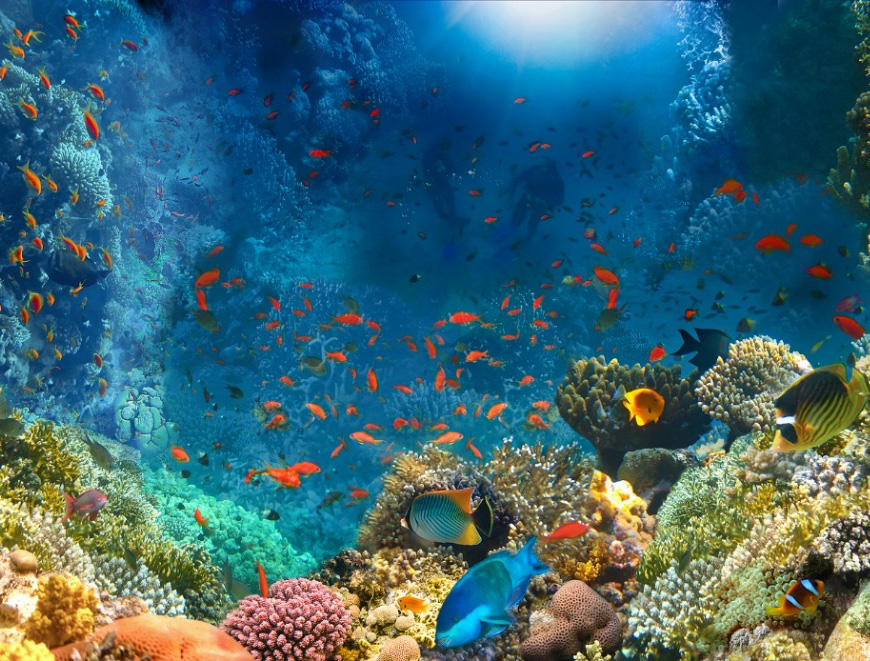
Let us introduce you to some of the diverse range of people who work with us at ICIEC and look at what they do, the how, and why.
Meet Dr. Salih Suwarelzahab, Chair of the Climate Change Taskforce at ICIEC. With a solid background in nature and biodiversity, from his base in Jeddah, we asked Salih five questions to get the measure of how he sees the importance of his role at ICIEC and the support ICIEC is giving to climate action.
1. How did you get from a PhD in International Natural Resources Law and Policy from the University of Dundee to your current role as chair of the Climate Change Taskforce for ICIEC?
The genesis of the taskforce itself was at COP22, the Paris Summit. It was a very momentous occasion. The President of the IsDB at the time attended and took the decision to pivot the IsDB Group towards prioritising climate. I was peripherally involved in wider discussions on environmental standards at the Group level.
I attended COP26 in Glasgow for ICIEC with our delegation headed by the CEO. The conversation has moved beyond simple questions about the existential threat of climate change. We are a multilateral owned by member states, and the member states themselves are asking ICIEC for help with climate finance.
The CEO has prioritised climate action as an issue. It is a transformation that is currently underway. And due to my qualifications, I was asked to be the chair of the taskforce. We are working on many fronts operationally and in training as well to transform the organisation to mainstream climate action.
Operationally, the Climate Action Task Force comprises seven of us. I am from the legal side, and there are underwriting and the business development zones, which are sub-Saharan Africa, the Eurozone, Asia, and the Middle East, and North Africa, and reinsurance are also involved.
Reinsurance helps us benchmark with our industry partners. We work with multilaterals, but we reinsure with Lloyd’s in London as well. I also do benchmarking exercises to try and optimise the transformation into something doable that does not affect the top line of the business but at the same time that prioritises this important issue.
2. How is ICIEC going to build to make a difference in climate action globally?
We have a significant role in climate action. The funding gap is huge. With the war in Ukraine, people are starting to rehash old questions about whether it is time to go back to dirty fuels and what the priority is. We do not see that argument as undermining the promise of renewable energy for many of our members. Many OIC member states do not have investment grade ratings or access to finance. A lot of them are in Africa and sub-Saharan Africa. Many do not have adequate electricity for basic domestic use, let alone industrial uses. We can help with de-risking and help contribute towards the development of electrification in rural and urban sectors.
We were at the International Federation Forum recently in Cairo, which was attended by Mark Carney, former governor of the Bank of England, and the UN (United Nations) special envoy on climate finance, and John Kerry, President Biden’s special representative on climate. Carney was specifically talking about the need for financing plus de-risking. That is the role I see for ICIEC.
There are several funds and initiatives we will be joining, such as the German-based InsurResilience, which is the platform for the world’s largest insurers.
Germany has the G7 presidency at present, and there is a lot of momentum going on and commitments made globally, such as the launch of an insurance-based ‘global shield’. ICIEC is galvanising that financing, helping the commitments to be translated into actual disbursements and projects on the ground, offering credit enhancement, and mitigating risks for financiers whilst always being led by member country needs. The focus will be on resilience and will be broadening out to countries most vulnerable to climate change of the designated ‘V-20’ (the 20 most vulnerable to climate change, 14 are ICIEC members).
Our role is de-risking and catalysing finance and translating these global commitments into actual disbursement and projects and transactions on the ground, which make a difference and contribute towards the achievement of the Sustainable Development Goals. In all member states where there is limited electricity, research and development is contributing to lower costs of renewables. So, we have an enormous potential role in climate action.
3. In light of this, how will you approach COP27, and what are you going to make your priorities for ICIEC?
COP27 is the largest global meeting of its kind. ICIEC has a chance to bring member states who are its shareholders, and policyholders, which are usually private sector companies around the table. We will be hosting several events with partners, including large international commercial banks and specialised funds, and InsureResilience itself.
We will also be having “spotlight on” sessions with officials and specialists from member states to outline how they see their priorities from a government perspective.
Under the Paris Agreement, there are nationally determined contributions, which is a blueprint of priorities for climate action, and it will be interesting to hear from the governments about their priorities and needs.
We will also be signing MoUs at the event. One of which is with Masdar – a leading R&D underpinned by a UAE sovereign wealth fund with a strong renewables drive. This will be a fantastic opportunity to bring the relevant stakeholders around the table and try to bridge the financing gaps.
4. Sounds like you have a fascinating role at ICIEC. Can you walk us through a typical day and its most exciting or frustrating moments?
It is quite eclectic in terms of what can show up on my desk. There’s work on the climate side and then there is the insurance operations work in export credit insurance and foreign investment insurance.
Also, because I am a French speaker, I work on transactions and projects in our Francophone African member countries. The breadth of work is always interesting, the pace is sometimes challenging.
The excitement is the constant learning curve and also the positioning of being in between member states governments on the one hand, with the way state machinery works, and then the results-driven private sector, and the way it works.
Climate action is a cross-cutting priority for the private sector and governments alike under ESG for the former and the SDGs (Sustainable Development Goals) for the latter. It is a real, sometimes existential, issue of how to cope with higher commodity prices, electricity prices and natural disasters which are precipitated by climate change.
5. That is a challenging and serious role. What does your leisure time look like, and what do you do to relax?
Being in Jeddah has given me the opportunity to learn to scuba dive on the weekends in the Red Sea. That gives me a very real insight into the natural world, as opposed to just watching David Attenborough, I get to experience marine life. And, of course, the oceans are one of the most threatened ecosystems by climate change. I have seen some coral bleaching over the years. But it is just always fascinating to be immersed in the natural world and to appreciate it.
In Jeddah, the King Abdullah University of Science and Technology has a focus specifically on marine biodiversity. I have dived with them, and you really see the vulnerability of the ecosystem in the warmest sea in the world. It really makes one appreciate the impact humans can have on living creatures.