Egypt’s Energy: A COP27 Promise
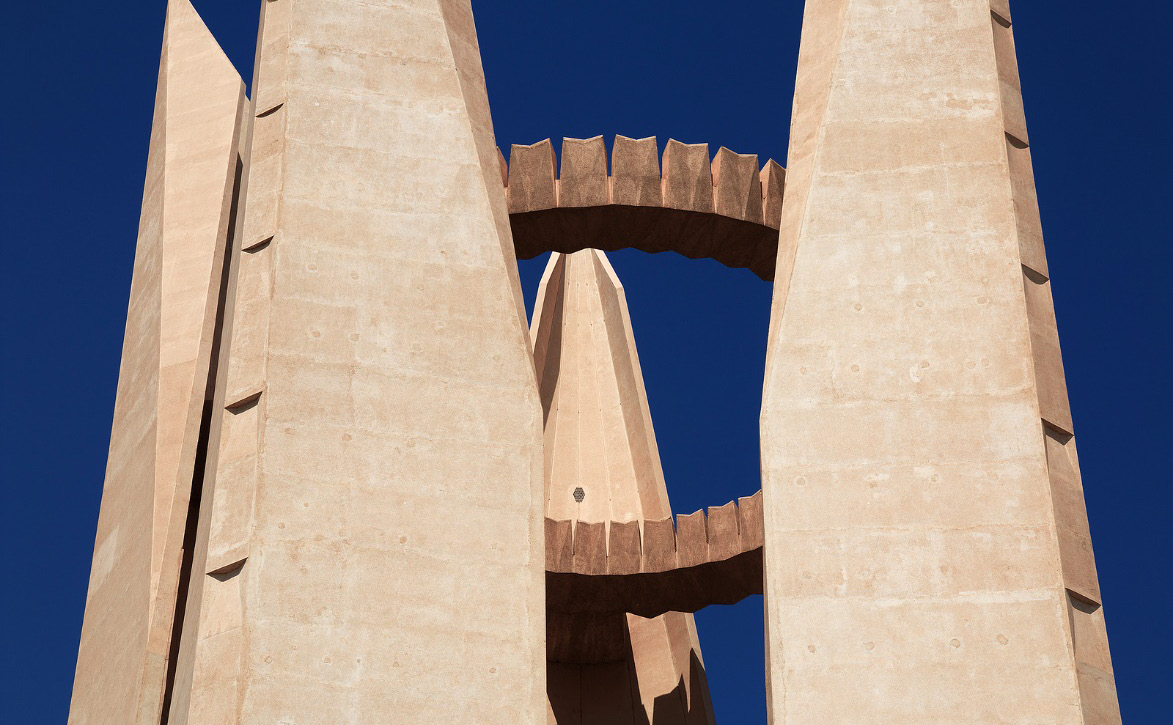
In the runup to hosting COP27, we look at how Egypt is attempting to build a climate-resilient energy strategy towards achieving its Vision 2030 goals. In this, we look at both the power and petrochemicals sectors, with an eye on renewables such as solar, wind, and hydro. Here we highlight the themes emerging in export and project finance through the lens of Egypt’s funding strategy.
With the next United Nations Climate Change Conference (COP27) being hosted in Egypt from 6-18 November 2022, the focus on energy transition from policymakers, corporates, lenders, and export credit agencies (ECAs) has never been stronger. And the impetus and onus on COP27 have only been amplified by the heightened energy security issues in the wake of the pandemic, the war in Ukraine, and the race to net-zero.
Egypt, which suffered from an acute shortage of power between 2014 and 2018, with daily 10-hour blackouts at the peak of the crisis, has mapped out an ambitious power procurement plan to meet the country’s energy demand and the requirement of climate change challenges. ECA support will be paramount to the realisation of these targets, as development finance institutions (DFIs) stretch their capital to combat the climate crisis and COVID-19 – although Egypt itself has not set a net-zero target.
National Determined Contributions (NDCs) have been pledged by Egypt nonetheless. In June 2022, Egypt joined the global methane pledge. In its NDCs, Egypt pledged to reduce emissions from gas flaring in the oil and gas sector to less than half of 2015 levels and lists some unquantified measures in the waste sector.
However, it is unclear whether these measures are sufficient to reach the 2030 global goal of reducing methane emissions by 30% – especially given the country’s planned increase in oil and gas production. The agriculture sector, a large source of methane emissions, for instance, is not covered in Egypt’s NDC.
To be compatible with the 1.5°C limits of the Paris Agreement, Egypt may need further unconditional targets and policies that would at least stabilise emissions at today’s levels by 2030. Its conditional target would need to reduce emissions until 2030 by around 25% compared to current levels.
Gas: A transitional fuel
In 2015, the Egyptian government introduced an emergency plan to double power generation capacity by 2020. Big-ticket ECA-backed finance played a key role in pushing large-scale gas-fired projects over the financial line – for example, the $1.5 billion Euler Hermes-backed loan for the Beni Suef scheme, the first of three 4.8GW plants and SACE-backed financing for a 1200MW combined cycle gas turbine (CCGT) plant.
ICIEC, a member of the Islamic Development Bank, has underwritten the development of gas power plants in Assiut, West Damietta Port Said, Hurghada, and Sharm El Sheikh, with a total installed capacity of 2.67GW.
These projects provided viable financing templates, which have served as a seedbed for future deals, even more so now the debate around gas being a transitional fuel has dissipated. And, given Egypt’s need for grid stability, with more renewable projects coming online, these gas-fired turnkey projects are crucial to smoothing power output and baseload power.
Rapid growth in Egypt’s natural gas supplies, boosted by the discovery of the Mediterranean’s largest field, turned it from a net importer to an exporter in late 2018. Egypt exported 9.45 million cubic meters of liquid natural gas (LNG) in the first seven months of 2022, up 44% from a year earlier, according to Refinitiv data.
More recently, this summer, in the power sector, the Saudi Electricity Company sealed a $570 million ECA-backed project financing deal with Standard Chartered and SMBC to partially finance the Saudi-Egypt electricity interconnection project. The two countries signed an agreement to establish an electrical interconnection in 2012 for the purpose of being the main axis in the Arab electrical linkage, which aims to create an infrastructure for electricity trade between Arab countries. Saudi Arabia and Egypt last year signed contracts for a $1.8 billion electricity interconnection project to ensure an exchange of 3,000MW of electricity between both nations.
Renewable schemes tap agency support
Gas cuts to domestic feedstocks and power plants – as the government hopes to lower the amount of gas used to generate electricity by 15% – will reduce Egypt’s private sector competitiveness. Egyptian heavy industries will be hit in the short term, but renewable energy has the potential to recalibrate the country’s energy mix down the line.
The government of the most populous Arab country – with over 102 million inhabitants – has been pushing to up its renewable power generation in recent years. For example, Egypt’s Integrated Sustainable Energy Strategy aimed to ensure the stability of Egypt’s energy supply by targeting 20% of electricity generation from renewables by 2022 and 42% by 2035.
Two landmark renewable independent power producer (IPP) projects have closed heavily DFI-covered projects since 2019. These are the 200MW Kom Ombo solar PV deal, which closed last year, and the 250MW West Bakr wind farm, which had helped increase wind generation capacity to 18% by the end of 2021 (when it became operational). Both schemes are examples of the ongoing need for agency debt to realise renewable energy projects in Egypt. In short, DFIs are crucial to this nascent sector as they provide comfort to international banks to get such renewable projects completed. ECAs will eventually join the fold – but solar deals in MENA have been few and far between for ECAs to support so far.
Egypt’s petrochemical promise
Egypt’s state-owned oil refiner Assiut National Oil Processing Company (ANOPC) signed an innovative $1.5 billion SACE-covered loan to back the Assiut oil refinery expansion project at the beginning of 2022. ECA support was an integral feature of the financing, which mimicked the project’s predecessor, MIDOR.
The economic fundamentals behind the expansion project are sound: meeting Egypt’s growing demand for refined fuels while contributing to the country’s aim of achieving self-sufficiency in petroleum products in 2022 (petroleum imports reduced from $9.4 billion in 2019 compared to $6.38 billion in 2020 – a 32% year-on-year decrease).
The expansion aims to increase Assiut’s refining capacity from 4.5 million tonnes per annum (tpa) to 5 million tpa, helping to maintain the operation of new and future projects as part of the continuous expansion of the refinery which provides oil supplies and petrochemicals to the upper Egypt region. EPC contractors Technip, Enppi, and Petrojet are expected to complete construction by the end of 2024.
Petrochemical projects are carbon-intensive, given the process and feedstock, but the sector is also central to cleaning up plastics and reducing emissions for an industry synonymous with pollutants. Existing assets must be made more efficient. So, ECA debt will be used to upgrade facilities, as well as build greenfield schemes.
TXF Data: Egypt takeaways
Egypt is no stranger to ECA debt. From 2018-2022, the volume of ECA-backed finance in Egypt totalled $18 billion across 21 transactions, with the majority of those loans being accounted for by manufacturing and equipment deals. This was followed by infrastructure, oil & gas, and transport deals.
With power procurement and cleaner transport higher on corporate agendas, expect a raft of projects within those sectors going forward. Sponsors of phase one of the 1800km high-speed train line across the north of Egypt — Siemens Mobility, Orascom Construction, and the Arab Contractors — are expected to reach financial close on the roughly $2 billion Euler Hermes/SACE-covered financing backing the scheme by year-end, for instance.
ICIEC, via reinsurance or direct agreements, has the capacity to extend support to these types of projects, enabling ECAs to increase collaboration and better manage their capital. This product suite can dovetail with the promotion of climate crisis mitigation, with climate-resilient infrastructure as another important space requiring funding.
France’s ECA, Bpifrance, was the most active ECA in Egypt by total volume, followed by Sinosure and SACE. Meanwhile, Credit Agricole, BNP Paribas, and Societe Generale were the most active ECA banks, which is unsurprising given that Bpifrance is the ECA to extend the most support by volume, with the top three most prevalent commercial lenders to Egypt being French.
Hydro under threat
Meanwhile, extreme weather threatens dams, thermal power plants, and nuclear stations, according to a report by the World Meteorological Organisation (WMO). The WMO said a third of thermal power plants that relied on freshwater availability for cooling was already in areas of water stress, as were 15% of existing nuclear power plants and 11% of hydroelectric capacity.
About a quarter of the world’s existing hydropower dams, and almost a quarter of projected dams, were situated within river basins that already have a “medium to very high risk” of water scarcity, the WMO said.
The results affirm a study published in the journal Water earlier this year about flood and drought risks to hydropower dams globally. It found that by 2050, 61% of all hydropower dams in river basins would be at risk of “very high or extreme risk for droughts, floods or both”. Egypt was one of those countries highlighted as at high risk from flooding and/or drought.
The report modelled three scenarios, with the pessimistic scenario assuming an increase of 3.5°C by the end of the century and the optimistic scenario assuming a temperature increase of 1.5°C. Global temperatures have risen at least 1.1°C since the 1840s.
Jeffrey Opperman, one of the authors of the study and the lead global freshwater scientist for the World Wildlife Fund, said even under an optimistic scenario for limiting global warming levels by 2050, there would be an increase in drought risk and flood risk. There remains much work to be done by the international community to help finance climate mitigation.

Critical Minerals And Their Role In The Climate And Energy Transition

Critical minerals are, as the name suggests, vital to many aspects of creating clean energy. OIC states are facing the need to shore up supplies of minerals such as lithium, nickel and rare earth. Financing critical minerals’ extraction and refinement will be vital in, for instance, key sectors such as electric vehicle batteries. OIC states such as Indonesia are already moving on apace in financing projects that rely on critical minerals for their energy transition. How are export credit agencies, development banks and organisations such as ICIEC leading the evolving role in this important space?
As energy prices soar and countries return to carbon to meet demand, it would be easy to assume that the commodity finance industry is as fixated on oil and gas as ever. The war in Ukraine has underlined the challenging reality of the world’s progress towards a green energy transition. However, it was not oil and gas that topped the list of most active sectors for commodity finance in the first half of 2022. According to TXF Intelligence’s data report, metals and mining investment deal volumes increased $11.9 billion in the year to end of H1 2022.
The reason? In a world that is looking to electrify all aspects of its supply chains, the precious metals required to make batteries become vital. Renewable energy sources, electric vehicles, and other forms of carbon-free infrastructure require battery storage. In this sense, global ambitions for sustainability rely upon the distribution of a finite resource of critical minerals.
Many ICIEC member states are still developing nations. It often appears that sustainability stands in opposition to prosperity when so many member states possess fossil fuel wealth, but the challenge for ICIEC is to mitigate the risks to its members on a pathway to sustainability. It has shown initiative in this regard. Oussama Kaissi, ICIEC’s CEO, has written for the Berne Union underlining the group’s commitment to ‘helping to drive investment for climate-resilient infrastructure in its member states. The benefits of this commitment have already been seen in a number of renewable projects. Around $68 million in coverage was provided to the Benban Solar Complex in Egypt, one of the largest photovoltaic plants in the world, and ICIEC was also heavily involved in the Sharjah waste-to-energy project, which aided the UAE’s efforts to divert 75% of solid waste away from landfill. However, for most OIC states, the physical infrastructure for an electrified society is still stranded in the future.
What is a critical mineral?
The definition of a critical mineral is not precise, and different countries have produced their own priority lists. Lithium, cobalt, nickel, graphite, and copper are among the best-known examples. It is unsurprising that governments around the world have put together strategy reports on their access to minerals and future opportunities to maximise supply. In 2018, the United States defined a critical mineral as a non-fuel mineral material that is essential to manufacturing and is vulnerable to disruptions in supply. A list of 35 was produced, 31 of which were minerals the US is more than 50% reliant upon importing. The Us objective now is to reduce that figure, or at least to ensure that supply chains are diversified among ‘allies and partners. That specific emphasis entails the global race for mineral security has become increasingly geopolitical.
At present, the dominant player in the critical minerals market is China. The strategy employed by the Chinese government is twofold: it has the most comprehensive domestic infrastructure for the processing of materials, and it invests heavily in extraction sites across the world to secure its own supply. Statistics from the International Energy Agency (IEA) show that China refines around 35% of nickel supplies, between 50% and 70% of cobalt and lithium, and as much as 90% of rare earth metals. Many members of the OIC will have received investment from Chinese companies, notably Indonesia, which has benefitted from close to $30 billion towards its nickel value chain alone. The most recent data from Benchmark Mineral Intelligence shows that Chinese cathode production quadrupled between 2018 and 2022, with as much as 87% market share predicted by 2030. If the political relationship between the US and China continues to suffer, the global trade in minerals could snarl up.
Conflicts between major international powers in the last decade have revealed the ways in which commodities can be ‘weaponised’. From Europe’s recent attempts to wean itself off Russian gas to the China-US trade war under the administration of President Trump, there are many ways to demonstrate the consequences of commodity dependency. ‘Optionality’ is, therefore, the watchword for states looking to secure their supply of critical minerals. In this light, it is important for industry players to be aware of both the key sites for mineral extraction and the financing tools that different institutions have used to gain access to them.
Strategic priorities and challenges
One problem with creating optionality is that, unlike oil and gas, mineral production tends to be highly concentrated in specific areas. According to the IEA, the DRC extracts roughly 70% of the world’s cobalt resources, Australia has around 50% of lithium, and Indonesia has around 30% of nickel. There are many areas of untapped mineral wealth, notably around the Arabian Peninsula. In May, leading OIC member, Saudi Arabia announced $32 billion in funding for mineral projects as part of an ambitious attempt to make mining a pillar of its industrial base by 2030. However, the discovery of new sources would not quickly ameliorate the problem. The process from the first discovery to the first concentration is arduous. OZ Minerals has recently taken a final investment decision on a $1.7 billion copper and nickel project called West Musgrave in Western Australia, but it does not expect the first concentrate until the second half of 2025. The initial scoping study took place in 2016. This is comparatively rapid when placed next to the IEA’s estimate of a 16-year average wait for mining projects to reach the first production.
The conundrum that must be solved by every country is how to secure a supply of limited minerals when demand is so high. Increasingly, state bodies, export credit agencies (ECAs) and development finance institutions are looking to, or are being called to, be more involved in this regard.
ICIEC has been supporting the Indonesian nickel mining sector through July’s PRI insurance for SIDRA Capital Financing. This will lengthen and deepen the amount covered in Shariah-compliant financing for SMEs to Indonesia’s PT MCT (Asia Trading). The $80 million one-year cover to SIDRA will help secure its Shariah-compliant loan facility to PT MCT, which will use the financing to fund transactions for suppliers and operators in the mining and nickel trading sectors.
As critical minerals continue to be a subject of international concern, increasing involvement from government institutions will be called upon. ECAs are already evolving to secure supply as part of a broader mandate to support domestic industries. Evidently, a sector that is so fundamental to the electrification process cannot be ignored. The immense difficulties involved in extracting and processing metals will necessitate change if the world is truly committed to the green energy transition. In this, ICIEC will continue to look to support member states in their financing through insurance support of institutions to help secure investment for climate-resilient infrastructure and clean energy generation, a key element of which will be access to critical minerals to underpin this demand.
ICIEC in Five:
Meet the Team

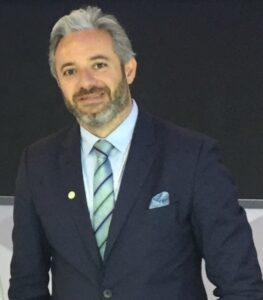
In this profile feature, we introduce you to some of the broad range of people who work with us at ICIEC and take a look at what they do.
Meet Mr Alaa Mustafa, Country Manager, MENA Division at ICIEC. He is a Lebanese national who has been in this role since 2016 and has a particular focus on, and enthusiasm for, Egypt.
We asked Alaa five questions to showcase what makes him excited and engaged about his role for ICIEC, particularly his work in Egypt and its focus on meeting the ambitions of Egypt’s bold Vision 2030 Agenda.
1. What has been your journey to your current role at ICIEC? In particular, how did you get into insurance, especially trade and investment insurance, and what is it you do with ICIEC in Egypt?
I joined ICIEC a decade ago after working for two years in the general insurance industry at a Lebanese/KSA-based company covering insurance operations in the GCC. I joined ICIEC under the Young Specialist Program, designed to attract talented young candidates, and I was among the youngest ICIEC staff at that time.
I must confess that entering the insurance industry was a complete coincidence, but after becoming specialized in credit and investment insurance, I have to say that I am delighted to have taken that decision back then!
2. Please elaborate on the structure of your Egypt country team and how it fits into the MENA division at ICIEC. How do you work, and what do you do daily?
It is no surprise that Egypt is among the top 10 countries to have benefited from ICIEC products and services. Indeed, since its inception, the total value of ICIEC operations in Egypt has reached a massive $7.3 billion, covering areas related to import and export credits and the inflow of foreign direct investment.
We run the insurance operations from our headquarters in Jeddah under our MENA Division. This model requires frequent travel and follow-up missions to Egypt, particularly Cairo. We plan monthly visits to maintain our relationships with Egyptian stakeholders, to whom we deeply commit.
We have excellent daily communications with our in-country teams, exporters, banks, and clients/stakeholders. Our ultimate goal is to maintain and sustain this extraordinary partnership with such a great country as Egypt to provide de-risking solutions to the private and public sectors to benefit Egypt’s economic and social development.
3. How does your role at ICIEC help your clients in Egypt achieve the country’s Vision 2030 goals?
Under the framework of ICIEC’s efforts to meet the growing demand of its customers to provide export credit and investment insurance services in the Egyptian market, ICIEC has embarked on a strategic plan to expand in the Egyptian market both through direct channels and through specialized programmes such as the Islamic Development Bank’s Member Country Partnership Strategy (MCPS). I am delighted to represent ICIEC in this.
One of the critical pillars of Egypt’s 2030 strategy is underpinning the private sector through encouraging the inflow of FDI into Egypt, backing Egyptian exports, and mainly supporting the ability of Egyptian companies to penetrate new markets in Africa. This is where we have consolidated our relationships with Egypt through signing remarkable MoUs in the trade and climate sectors, conducting webinars and seminars and partnering with key private Egyptian companies.
4. What has been the most challenging project you have worked on in Egypt with ICIEC, and how do you think it has made a material difference to the country?
Every new project in Egypt is a new challenge because it is done with a lot of passion and attention from my side, as Egypt is far and away one of my favourite countries. I’d go so far as to say that my colleagues in other divisions sometimes joke that I am biased as I lavish hard work and attention on any new project in Egypt!
We feel proud of completing a significant number of transactions in Egypt. Probably the most important of these was the $300 million insurance support ICIEC provided to finance loan agreements to local banks in Egypt to support the SME sector in the light manufacturing industry. This project took much time but was measurably successful and has directly impacted smaller manufacturers in the country.
The other outstanding achievement is the successful execution of the IsDB Annual Meeting in Sharm El-Sheikh, which was held this June. This one is pretty indelible for me, not just because it was so recent, but because I’m proud of our team who worked so tirelessly, especially on the organization of the Private Sector Forum, which was up to the international standards as we had aimed it to be.
5. Tell me one surprising fact about yourself (you may not have told ICIEC before!)
I wasn’t joking when I said I have a personal affinity with Egypt and Cairo. It is the culture, the people and the fantastic vibes of experiencing Cairo. Even when I’m not on business, if my colleagues miss me for a weekend, the odds are I’m in Cairo visiting friends!
How can credit and political risk insurance help facilitate climate action?
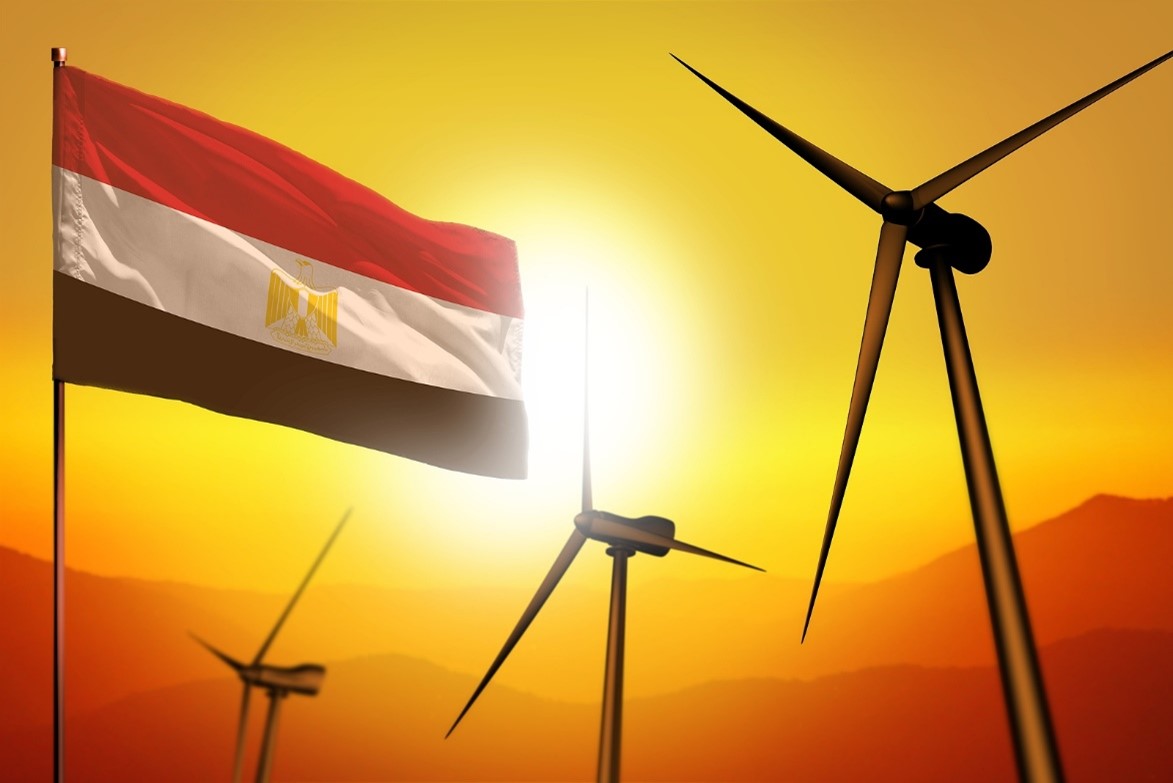
How can private sector actors use ICIEC for climate action, serving member countries’ ESG agendas? Here we highlight initiatives that will help Egypt, in particular, achieve its Vision 2030 goals concerning the environment.
Development financiers have long identified mobilizing private capital as a fundamental way to achieve the net zero goals in the Paris Agreement. While the developed countries are trailing behind their Nationally Determined Contributions (NDC) of $100 billion per year, multilateral export credit and investment risk insurers like ICIEC have a pivotal role in bridging the gap.
Private sector engagement in climate finance requires credit enhancement, which ICIEC is uniquely positioned to do through its sustainability policies and access to its member country’s national and subnational bodies, which engage with relevant climate action projects and transactions. Private sector development is one of the main pillars of the ICIEC’s strategy. Embedding commercial opportunities and helping corporates and banks make a material difference to support positive climate outcomes is something that risk mitigation tools can facilitate.
The swift response to the COVID-19 Pandemic has provided a roadmap to address long-term credit and political risk insurance solutions for climate mitigation and adaptation. While the Pandemic has elevated public health and infectious diseases as an immediate concern and risk, the long-term threat of climate change was overshadowed by the Pandemic in the last two years. With the war in Ukraine, the understanding of climate and political risk is again being re-evaluated, casting a spotlight on sustainable energy and energy security.
Spotlight on Egypt
Ahead of COP27 in Sharm El-Sheikh in November, all eyes are on Egypt, not only because it is the host for new climate negotiations but for charting out ambitious climate blueprints under Egypt’s Vision 2030 – aimed at building a diversified, competitive, and balanced economy, and the Integrated Sustainable Energy Strategy (ISES) 2035.
Egypt is a founder member of IsDB Group – total Group funding accessed by Egypt amounting to US$17.8 billion to date – and has seen several new climate initiatives being launched. Among the latest is a Memorandum of Understanding (MoU) between ICIEC and El-Sewedy Electric, which provides a framework for joint action in promoting climate action and water projects. Under the terms of the MoU, ICIEC, which is the insurance arm of the IsDB, will work with El-Sewedy Electric to identify, assess and manage climate and water risks and opportunities; exchange essential information, expertise, and resources; extend training and capacity-building opportunities, and organize joint seminars and workshops.
Private capital mobilisation
Counted among the top megatrends in trade and development finance, climate change is both a threat and a potential opportunity if looked at the right way. Private banks such as the Egypt-based Commercial International Bank are incorporating the climate agenda into all their financing mandates, fundamentally changing their business model to manage risk and moving away from the traditional path of seeking insurance to mitigate climate risk. To meet the SDG goals by 2030, an estimated cost of $5 to $7 trillion annually is required, which presents itself as a business opportunity for private capital looking to invest with impact and high returns in emerging and low-income economies.
Most member states of ICIEC are low-income and developing countries, so it is challenging to attract private capital. The hurdles are high-risk perception and a lack of bankable deals. ICIEC has been working on developing bankable projects and vehicles, serving the OIC member states’ climate agenda. For instance, ICIEC’s Green Sukuk Insurance Policy will allow Sukuk issuers to attract capital for ‘green’ projects better. The product will be particularly valuable for issuers in ICIEC’s low-income and developing country members who are susceptible to struggles with poor credit ratings and, consequently, attract less private capital for climate action.
Egypt presents itself as a positive case study, demonstrating a blueprint for sustainable development in the renewable energy sector in other OIC countries. ICIEC has facilitated several renewable projects in the country by providing much-needed insurance cover, which has the potential to crowd in private capital. Recently, ICIEC provided a seven-year Breach of Contract and Political Risk Insurance (PRI) cover under its Foreign Investment Insurance (FII) Policy to the UAE-based Alcazar Energy for its US$68 million equity investment in the Benban Solar Complex in Aswan. The complex involves constructing and operating four 50 MW solar power plants, providing the generated electricity to the Egyptian national grid under a 25-year power purchase agreement.
Central to Egypt Vision 2030 is achieving the net zero targets in the Paris Agreement. The country’s renewable energy strategy – particularly ICIEC’s bespoke insurance cover – has the potential to be replicated in other IsDB member countries, with factors such as maximization of local content, proactive government support, and generation of employment.
A ‘just transition’ is the need of the hour in MENA countries, in particular, where the impact of climate change will be disproportionately felt. Credit and political risk insurance is integral to enabling this transition, which also factors in the ‘S’ (social) in ESG.

This is a digest of a prestigious panel convened by ICIEC on June 3, 2022, at the IsDB Group’s Private Sector Forum, which ran at the IsDB’s 47th Annual Meetings in Sharm El-Sheikh, Egypt. The panel had representatives from Commercial International Bank, Indonesia Infrastructure Guarantee Fund, Africa Finance Corporation, El-Sewedy Electric, and UNDP Egypt.
To watch the entire panel, Credit and Political Risk Insurance in Facilitating Climate Action, view here:
How digital transformation can support finance and investment


The digital transformation megatrend can help developed countries meet their trade and investment goals in challenging conditions. This briefing digest explores how ICIEC and others are helping to bridge any digital divides in OIC and ICIEC member states.
Rapid technological advancement and digital transformation are among the five key megatrends affecting global trade and investment in the next few years, but they hinge on developing countries shifting towards a digital economy. This shift can aid better supply chain management – vital in a time of geopolitical change – and help improve transparency, combat bad practices and allow businesses to expand their reach into more remote markets. This is particularly true as the global economy attempts to bounce back from COVID-19 setbacks and geopolitical challenges. Digital technologies have immense potential to unlock enormous economic opportunities in trade, agriculture, investment, manufacturing, and services.
While the Pandemic has boosted digitization worldwide, a lot needs to be done to ensure that the gains made in the last couple of years are carried through in a post-COVID world. “Alongside advancing technology, the pandemic has also created a digital divide and inequalities,” says Oussama Kaissi, Chief Executive Officer of the Islamic Corporation for the Insurance of Investment and Export Credit (ICIEC). “For many OIC and ICIEC member states, digitization strategies remain in an embryonic stage.”
Digitization has been a longstanding goal of the ICIEC, but currently, it has amplified its investment in digital infrastructure in member states, with a sharp focus on reducing the divide between developed and emerging markets. So far this year, the corporation has provided nearly $419 million toward supporting infrastructure and $3.9 billion toward energy support, including €50 million in coverage for a telecommunications project in Indonesia that expanded access to 4G coverage from 40% of the population to 90%.
OBIC vision to fill the information gap
To foster an ecosystem of learning about digital advancement and trade technology, ICIEC, in partnership with the Statistical, Economic and Social Research and Training Centre for Islamic Countries (SESRIC), founded the OIC Business Intelligence Centre (OBIC). The vision is to develop a country-level credit reporting ecosystem (addressing four different tiers of credit maturity levels among OIC countries), improve cross-OIC credit data infrastructure, develop capability, and provide operational excellence with a sustainable business model.
The OIC member states exhibit the lowest levels of credit penetration globally, along with inadequate levels of credit reporting. Most OIC economies either have an inadequate credit reporting system or none. Credit information systems across the OIC measure far below global benchmarks. According to ICIEC CEO Mr KAISSI, OBIC will play a crucial role in mitigating this challenge by increasing OIC credit information’s transparency, reliability, and accessibility. OBIC’s mandate of delivering credit intelligence to end consumers – by way of credit reports – will help prospective trade partners and companies looking to expand into OIC countries and enable them to see the promise of doing business in such markets at a low cost.
“Data and digitalization will also drive MSME growth,” says Mr KAISSI. “MSMEs are the backbone of economies, accounting for over 50% of jobs globally and about 50% of GDP in developing countries.” OBIC will fill in the information gap that often cripples MSMEs in emerging markets. Credit data on companies, particularly MSMEs, or industries, can help drive trade, boost revenues, and drive foreign companies to invest and set up operations abroad. “Digitisation of MSMEs will also enhance financial inclusion and fill the gap between the formal and informal sectors,” says Kaissi.
To make the consumer more financially resilient and independent, digitizing access to finance is paramount. For instance, Egypt Post is working on enhancing e-commerce portals in the country in collaboration with the Central Bank of Egypt to make financial services more accessible to the youth and small businesses.
Overcoming cross-border regulatory hurdles
While technological innovation is finding unprecedented institutional, private and public investment, cross-border regulations and lack of standardization of documentation are significant impediments to technological advancements in trade. ICIEC and OIC have the potential to bring together their member states to build a cohesive regulatory framework, particularly in emerging markets.
Initiatives in Africa, such as the Afreximbank-led Africa Trade Gateway, seek to address the regulatory challenge. For example, any MSME in Egypt looking to grow its business in Africa and tap into new markets would encounter information opacity and a lack of transparency in the target markets. African Trade Gateway – an agglomeration of interrelated digital platforms – can potentially eliminate some of the challenges to intra-African trade. The focus is mainly on the complexities of payment transfers within Africa, the current low access to trade and investment information, and the costs associated with conducting Know Your Customer (KYC) checks on African entities.
The Central Bank of Egypt has a similar initiative – Regulatory Sandbox – to support technology start-ups navigating regulatory frameworks. The Regulatory Sandbox works as a live testing ground for Fintechs, developing new business models currently hindered by stringent authorization requirements and regulatory uncertainty. The Regulatory Sandbox aims to pave the way for faster and easier access to new financial solutions and embed compliance within the Fintech ecosystem at an early stage. This will not only allow Fintech innovators to focus on their core offering but also ensure that consumers and other players in the market are not adversely affected by the regulatory uncertainty of the disruptive Fintech activities.
Bringing these various initiatives together is vital for OIC countries looking to collaborate. The vision of ICIEC is to foster such networks and conversations and act as a catalyst for the digital revolution in the region.
This is a digest of a high-level panel convened by ICIEC on June 2, 2022, at the IsDB Group’s Private Sector Forum, which ran at the IsDB’s 47th Annual Meetings in Sharm El-Sheikh, Egypt. The panel had representatives from The Central Bank of Egypt, Afreximbank, Egypt Post, AlFaris International Group, Azentio Software, and DinarStandard.
You can watch the discussions in their entirety here: Digital Transformation in Support of Finance and Investment
https://youtu.be/Rf5WQaMLalc
El Sewedy on Egypt's FEI and its new era of cooperation with ICIEC
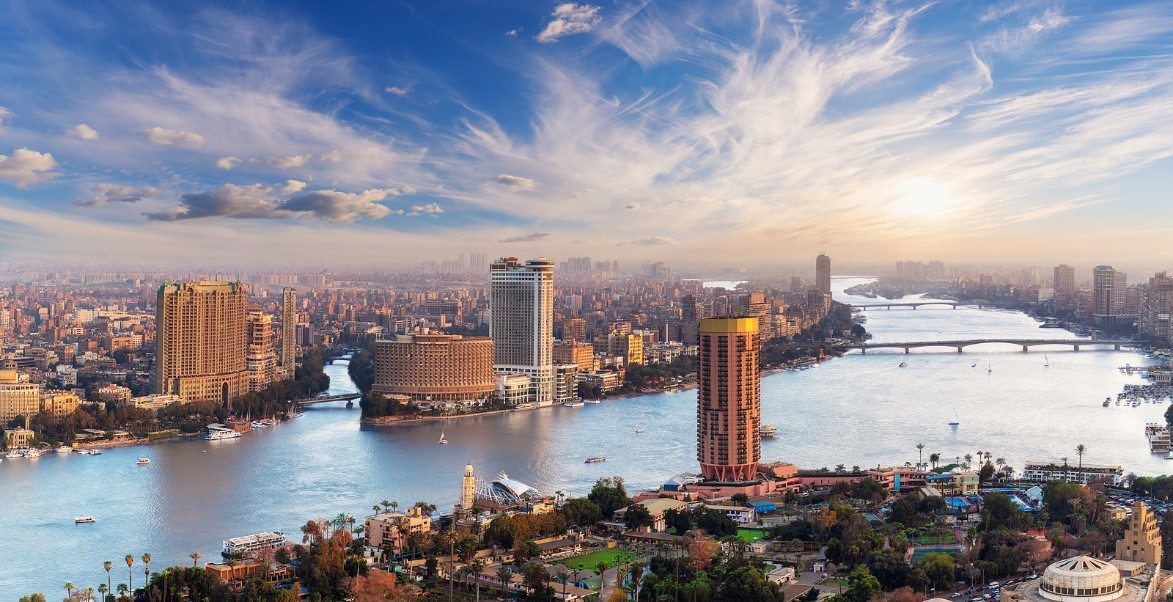
In the wake of ICIEC signing an important Memorandum of Understanding (MoU) with the Arab Republic of Egypt and the Federation of Egyptian Industries (FEI) to facilitate cooperation and promote trade and investment opportunities for Egyptian industries, it is the right time to profile Eng. Mohamed Zaki El Sewedy, Chairman of the FEI, to discuss his vision and aspirations for Egyptian companies and the opportunities raised in the partnership with ICIEC.
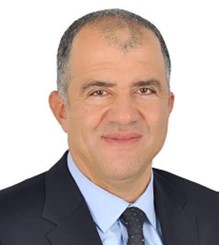
Many congratulations to the Federation of Egyptian Industries (FEI), celebrating its centenary in 2022. Please tell us more about your role at FEI, the importance of the organization in lifting Egyptian companies’ trade and investment domestically and internationally, and its advocacy agenda.
Mohamed Zaki El Sewedy: As the Chairman of the Federation of Egyptian Industries (FEI), with FEI board members and the chairpersons of the 19 industrial sectoral chambers, we advocate for manufacturers’ member interests locally and globally. This year, FEI is celebrating its century as one of the oldest business organizations in the region.
At the end of 2021, FEI proudly ran its first election under the new law which regulates FEI that ensures fair representation of SMEs on the boards of each industrial chamber. That means SMEs are now well represented and in all sectors’ decision-making positions. We are working hard to push forward the industrial sectors of the Egyptian economy by advocating growth and prosperity.
FEI has many responsibilities towards its members. These include strengthening cooperation and alliances with international organizations and institutions. They also support entrepreneurship and initiatives for start-ups and business development needs via our Business Development Service Centre. We help minimize administrative and regulatory burdens and promote economic development, cleaner production, and energy-efficient technologies. On the educational side, we provide access to essential knowledge and information, advice and consultancy services, and extensive training and capacity-building opportunities. All this is done while promoting corporate social responsibility, adherence to UN Sustainable Development Goals (SDGs), and showcasing best practices in different industrial sectors.
On an international level, FEI represents the voice of Egyptian employers with International Labour Organization (ILO) structures as per our membership of the International Organization of Employers (IOE). FEI also serves its members through its strategic relationships with similar business associations in Germany, Italy, KSA, Emirates, Malaysia, India, etc.
Also, being a founding member or member of several other international business platforms, such as COMESA Business Council, Global Business Coalition, BUSINESSMED, ANIMA, etc., provides another domain for strategic international alliances.
As a tool for evidence-based advocacy, FEI has developed a reform agenda for fostering industrial investment and attracting foreign direct investment (FDI).
FEI has given exceptional care and attention to the development of human resources and the TVET system in Egypt [TVET is Technical and Vocational Education and Training] in partnership with relevant ministries.
What are the main hurdles facing Egyptian manufacturers in international trade and investment for the coming century? How are they being overcome?
Mohamed Zaki El Sewedy: FEI is working closely with the government to ease trade regulations through automation and eradicate red tape.
We must admit that the major hurdle facing Egyptian manufacturers in international trade and investment is a lack of information. A proper market intelligence system is needed to help raise knowledge about potential opportunities in existing and new markets.
Another challenge is financial facilities, especially for risky markets. It goes without saying that credit guarantees and investment guarantees are fundamental, particularly in risky markets and particularly for SMEs.
Logistics is another hurdle. Thinking about new solutions to overcome this hurdle is essential. Maybe that could include facilitating logistical solutions in some targeted markets, especially in Africa, such as availing warehouses and outlets to introduce Egyptian products to new markets.
Egypt has an exciting Vision 2030 agenda – particularly concerning climate action. How is FEI assisting in this drive?
Mohamed Zaki El Sewedy: FEI realized the importance of raising environmental awareness among Egyptian manufacturers long ago. We established the Environmental Compliance Office (ECO) under the umbrella of FEI as far back as 2001. ECO provides consultancy services to the industry sector in environmental compatibility, environmental management systems, energy conservation, and renewable energy to improve the efficiency of national industry. It also introduces the principles and technology of cleaner production, strengthens local competencies and capabilities, and supports competitiveness.
You may be interested to know that FEI is playing a crucial cooperative role in setting standards with the Egyptian Organization for Standardization in all sectors, including energy, lighting, and home appliances as subsectors, which we have recommended to enhance and develop these subsectors into using less polluting and lower energy consuming products (for example, for air conditioning and fridges).
To cope with the national climate/environmental strategy of 2030, which requires converting 25-30% into renewable energy, and by 2050, 50% into renewable energy, FEI has started many programmes with development partners (such as UNIDO and the EU) to raise the awareness of using renewable energy by converting to power-saving engines and also increasing the awareness of the Green Economy Initiative and the Green Deal Initiative, among others.
What are your key ambitions for the Framework Cooperation on Trade and Investment Partnership with ICIEC for Egyptian importers and exporters, particularly in terms of increasing trade into Africa?
Mohamed Zaki El Sewedy: First, we need to work on developing a consolidated action plan for this cooperation, with continuous evaluation. This plan should include awareness sessions, mitigation missions to potential markets, etc.
It is essential to develop market studies – including the potential markets’ needs, risks, challenges, and opportunities. If we are talking about increasing trade with Africa, Egyptian enterprises need a clear framework for the insurance of trade and investments.
Together we can create a special programme for Egyptian manufacturers to encourage them to start or increase their imports/exports from/to Africa with risk guarantees or insurance. This could include special programmes to facilitate logistics, especially for warehouses, sea freight, etc. A database of trusted banks and financial institutions in Africa is very much needed.
These are undoubtedly challenging times regarding international supply chain dislocations, inflationary pressures and climate necessities. What constitutes success for Egyptian companies on a five-year view?
Mohamed Zaki El Sewedy: Many factors would constitute success for Egyptian companies. First, Egypt enjoys many other trade agreements that facilitate trade and investment with different regions besides the competitive advantage of diversified sectors and products.
The efforts exerted by the government in developing a national strategy for governance to enhance the business environment in various ways are all critical. These include: ratifying laws and regulations, building free [trade] zones, economic zones to encourage exports, giving investment incentives, giving priority to local industries to obtain and implement tenders in national mega projects tenders, etc.
The latest circumstances of the COVID-19 Pandemic and the recent geopolitical crisis have resulted in many changes that have reflected globally on enterprises. We have noticed many reshoring and offshoring of global investments near their original markets, which has positively reflected on trade and investment in Egypt.
We are happy to develop our cooperation between FEI and ICIEC further to work on enhancing the way Egyptian companies do business across borders. The Framework Cooperation on Trade and Investment agreement [signed on June 3] aims to facilitate cooperation and promote trade and investment opportunities for Egyptian industries. This includes professional representation and advocacy of Egyptian industries’ interests locally and globally, as well as training on the importance of risk mitigation and credit enhancement, exchange of essential information, knowledge, capacity building, and advisory and consultation services.
ICIEC in Five
In this new profile feature, we’d like to introduce you to some of the diverse range of people who work with us at ICIEC and take a look at what they do.
Meet Ms Fatma Gamze Sarioglu, ICIEC’s Türkiye Senior Country Manager. Renewal and regeneration is at the heart of her operations in Istanbul, Türkiye. We asked Gamze five questions to get the measure of what makes her tick in her role for ICIEC.

1. What is it you do at ICIEC, and how did you get here?
I joined ICIEC seven years ago after a 20-year career working for foreign and local banks in Türkiye. I opened the office for ICIEC in 2015 and joined as the Türkiye representative. At first, it was just me in the office, but we’ve expanded the team. Now there are three of us – one colleague who is the Lead of Commercial Underwriting Business Unit and two of us ladies in sales. We’re very much in harmony as a team.
2. What does your typical day involve as a team?
Let’s start with Friday. In Türkiye, we work on Fridays when Jeddah is closed for their weekend. That’s our day for a list of ‘to-do’s’ that we discuss the way forward for the following week when the head office in Jeddah is on its weekend. On Monday we get on with those to-do’s.
We have three pillars of our work. The first of those is relationship management. We keep very busy with physical meetings, online, networking and phone calls as it’s really important to be in touch with existent clients and follow up with them. Sometimes they call us too with questions about projects. Remaining in touch with clients is the most important thing to us.
The second pillar is reaching prospective clients. We create new lists every week, following up on items in the press and financial magazines and we also talk to current clients and ask them about their current partners in the projects they are working on, which is an important resourcing channel for us. We report all this to head office and have weekly meetings with our managers in Jeddah.
The third part is following up on deals we are already working on, whether that be in Türkiye or another member country. That’s not only following up on the deal policies we are issuing, but also the proposals that we are working on. Issuing proposals takes time as well and there’s a complex process behind that. You need to follow up the process to find out who is keeping the proposal, in the back office and queries from the head office, from legal and underwriting. A lot of time is dedicated to explaining projects.
3. How does your role empower renewal and regeneration for your clients?
ICIEC is all about renewal and regeneration. We’re relatively new in the market in Türkiye, only starting here seven years ago, and most companies were still unaware about what we do. ICIEC had several successful deals before we had presence here, but now with presence we were able to talk about our priorities and decide where we are going to start in the market.
In terms of our product offering, we have two pillars. One is exports and the other is investments and financing investments. For exports, we work very closely with Turk Eximbank, Türkiye’s Export Credit Agency (ECA) as a reinsurance partner.
We aren’t competing with them, but rather supporting by offering reinsurance capacity and discussing how we can help reach out to international financiers for Turk Eximbank and support financing to ICIEC member countries. Turk Eximbank can provide MLT financing for Turkish EPCs for projects outside the country. We increased the level of support in an accelerated way through reinsurance and supporting Turk Exim’s borrowing from global banks and lending in terms of buyer’s credit loans for sovereigns.
The second pillar is equity investments and financing. There we needed to collaborate mainly with the large Turkish contractors and have successfully completed multiple deals including PPP hospital deals – supporting EPC contractors and covering international banks’ risk.
We have spent a lot of time educating the market on our products and how they can use them. ICIEC has been paving the way for contractors to access international financial markets and showed new ways of securing their investments in terms of mitigating political risks and also being able to reach out to several different kinds of structured financing methods using ICIEC assistance in Türkiye and in other member countries. This was really new to the market.
4. What is the most interesting project you have worked on at ICIEC that has fostered renewal and regeneration?
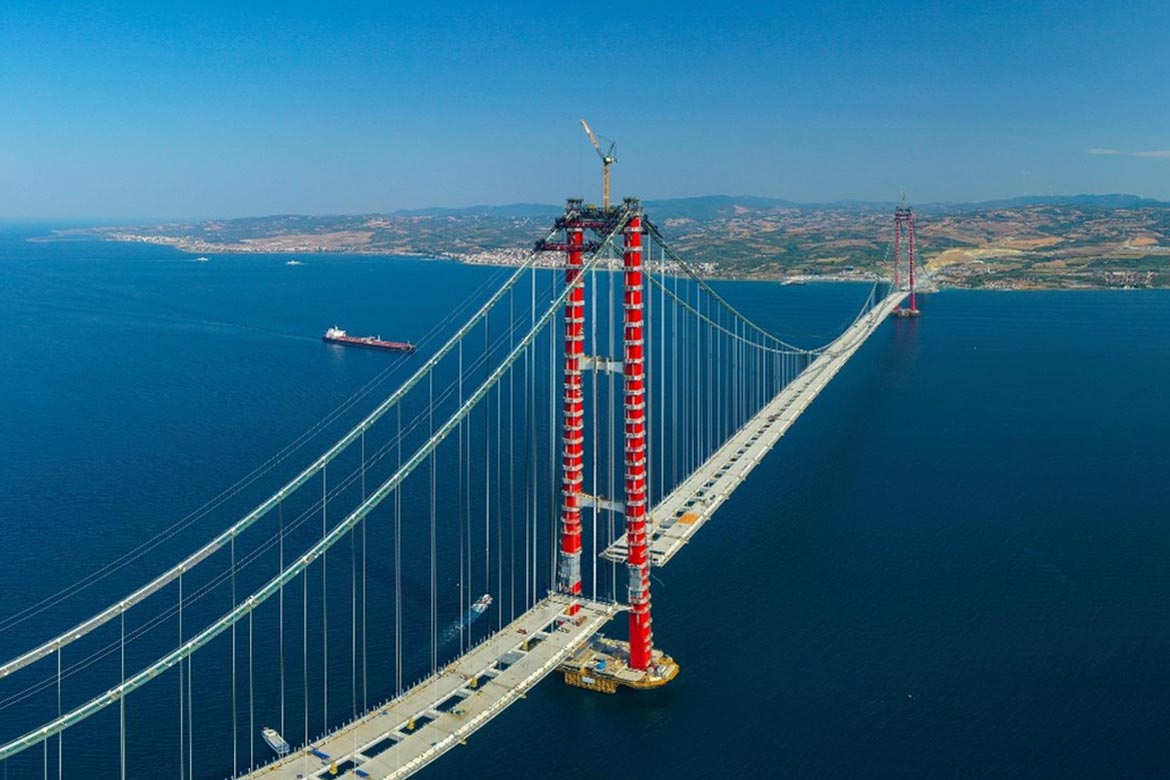
Most interesting? I’ve got at least two! The first was the Canakkale Bridge in 2018. It was a monumental PPP project – the longest suspension bridge in Europe and it was important as a transportation link. And it was important for ICIEC as we dealt with more than 20 financial institutions involved in the deal and we had several tranches, one of which was specific to ICIEC as the only multilateral institution in the financial structure. We covered ING Bank loans, and the deal won multiple awards.
The second two were in Cameroon and Senegal. Both of these were with Turk Eximbank but they were also supporting ICIEC members. One was the first time the Turkish ECA was using insurance coverage of a multilateral for a loan granted under a buyers’ credit structure to the government of Cameroon in 2016 for a stadium deal (Japoma-Douala Sports Complex). The sports complex was important for Cameroon as it was set to host the Africa Cup of Nations.
And in Senegal, two projects were closed in 2017. One was the Dakar Market of National Interest and the Truck Station and the second was a congress centre, sports complex (Business Hotel of CICAD, Expo Centre of CICAD, Diamniadio Multi-Functional Sports Centre). The Market of National Interest and Truck Station deal was important as it was the first time Senegal was building a central truck station and a technologically-advanced market (for the storage of fresh fruit and vegetables) and the government was helping support the adjacent transportation and distribution of them.
5. Finally, what is your ‘superpower’, or one thing that people might find unusual about you?
I’m a Mum of two, that’s my superpower! Maybe from a work perspective, if a meeting gets too serious, I always try to make people laugh for a while. Not for every serious meeting – I don’t do it every time!
The development of the private CPRI market in MENA

In this briefing, we look at the development of the private trade and political risk insurance market in the Islamic world and MENA. It has been a story of evolution. How best can it work in partnership with public credit insurers to improve sustainable growth?
The private market in the Islamic world for private credit and political risk insurance (CPRI) is very much a work in progress. That progress has not always been linear, but there are positive signs. ICIEC provides insurance and reinsurance solutions for the private sector which help it unlock transactions that may not otherwise get over the line. Nonetheless, partnerships with the private sector are going to have to be a key driver for the market if capacity is to be improved, and ESG goals met.
Looking at the positive, policy numbers for the region have seen significant ongoing increases since 2014, according to statistics provided by BPL Global, the world’s leading insurance broker specializing in credit and political risk insurance (CPRI). After a small stagnation/hiatus mirroring the trend across the entire market through the early impact of the pandemic in 2020, 2021 witnessed an unprecedented 70% increase in policies bound for transactions in ICIEC Member States.
According to BPL data, this trend is continuing into 2022 with a new policy count in Q1 alone already at 55% of the entire 2021 year total.
Exposures represent over 20% of BPL’s worldwide portfolio with the vast majority of this being medium-term non-payment cover with tenors averaging beyond five years. This is mainly in support of trade and export contracts but there is also support for inward investment in infrastructure with political risk coverage being provided to a total of $2.7 billion as of April 2022. Tenors on this investment piece are longer, as is to be expected, averaging approximately 7.5 years.
Capacity constraints persist
BPL data is positive, with the underlying figures showing an upward trend for MENA and for the OIC members in general. This shows that CPRI as a product is well supported by the market generally but there remain significant capacity constraints in a few countries such as Côte D’Ivoire and risk appetite issues in others. Nonetheless, private insurers will look to the micro-level of the risk in those countries, and not solely reject writing policies based on the macro situation.
Others are less sanguine about the progress of the market so far. The Middle East, for instance, is still considered to be a new market for CPRI and is considered to be an emerging market with a high degree of volatility.
The Islamic world has well established Property & Casualty (P&C) national insurance companies, yet none of them has been able until now to write CPRI business on a ‘follow the fortune’ basis. To clarify, the follow the fortunes doctrine provides generally that a reinsurer must follow the underwriting fortunes of the reinsured company. That means it is bound by the claims-handling decisions of the insurer before it so long as there is no evidence of fraud or collusion with the insured or bad faith. The principle treats the insured as if the reinsurer were a party to the original insurance.
There remains a clear cover gap, that has encouraged many governments in the region to invest more resources to build this capacity internally. Many public insurers in the region are now evolving quickly to achieve more independence in their underwriting process and provide wider products coverage to their underserved markets. Sometimes, that means going beyond the traditional limits of ECAs in OECD countries.
The scope for partnership in MENA
How about the private market? Are private insurers seeing export credit agencies and public insurers in MENA as threats or allies? “First and foremost, the private insurance market is complementary,” says one private broker. The Lloyd’s insurance market, for instance, opened up its platform within the DIFC in 2015, and provided a clear boost to the private market in the region where personal relationships are seen as vital.
Relationships are important, and memories are long. One of the drags on the MENA private insurance market dates back to the beginning of the decade when a private insurance cover failed to pay on a local risk. It’s a cautionary tale.
“Export Credit Agencies are very good at holding people’s hands through this situation, but having wording that works specifically for your deal is so important,” one broker says. “Unfortunately in this instance the local banks were hoodwinked into being given an off-the-shelf product which the insurer knew wouldn’t pay out in the event of a fraud.”
What is the solution to problems like this? “Have a policy that says non-payment for whatever reason. And it is absolutely critical. I spend a lot of time trying to say to clients or prospective clients, ‘Please don’t go at this blind and think that an off-the-shelf product will work for your specific risk. It doesn’t always, and you have to be extremely careful about the conditions of the policy’.” Naturally, that is why that broker is keen to stress, having a broker to hold your hand can be helpful.
That also is a constraint to digitisation in this particular part of the market. Bespoke products tend to be off the shelf, specific to individual risks and are less able to be digitised (though, of course, digitisation of certain elements will naturally evolve).
Education and relationship building
Education is key to getting more understanding of the products available. “That was exactly the reason why we had a representative in Dubai from 2019. In this region face to face meeting is important. This is not only facilitating, it’s building business,” says one senior European ECA official based in Dubai before the pandemic hit. “We have already concluded some smaller facilities in different industries and this has a catalyst effect. There are green shoots of hope in this region. Also, banks have started to employ dedicated insurance purchasers too, which helps to have that specialism.” The pandemic may certainly have put constraints on that face-to-face dimension, but the trend will remain.
Gaining local experience – whether that be through feet on the ground, or relationship building through networks, will continue to be important in order to understand the markets.
ICIEC has been a trusted partner in the political and credit risk industry for almost three decades, relied upon for its regional risk expertise, product understanding, and diverse network. In recent years our focus has evolved to additionally meet the growing demand for sustainable investments, so that we can strive to ensure that all economies thrive together. Evolving private partnerships in the CPRI markets will be important to keep capacity strong in emerging markets.
Supporting sustainable growth in Sub Sahara Africa
How has ICIEC helped export credit agencies and banks support sustainable growth across Sub Sahara Africa, enabling projects that will benefit local communities? Guarantees from international export credit agencies and insurers are often the first step for doing business in Africa. A partnership model is an important way forward. This article outlines progress.
Supporting sustainable economic growth in Sub Saharan Africa has never been more important amid the pandemic, global geopolitical issues and climate change. Africa’s infrastructure needs are large but putting too much pressure on sovereigns with rising debt burdens that cannot be matched by GDP growth is a risk that lenders need to be very conscious of. Importantly, though, as Africa generally is short on equity financing, taking debt and its allocation needs to be smarter to support effective resource mobilisation.
ICIEC has been working in partnership with banks and export credit agencies (ECAs) to support their work in healthcare, renewables, sustainable transport, water, and power grids, and modernisation of electricity systems. ICIEC provides insurance and guarantees in general to support resource mobilisation. “We’ve provided insurance support to banks so that they can finance African sovereign states with some degree of comfort,” says Raphaël Fofana, Sovereign Underwriter Africa & CIS at ICIEC.
Timely support in Côte d’Ivoire: Underpinning SDGs
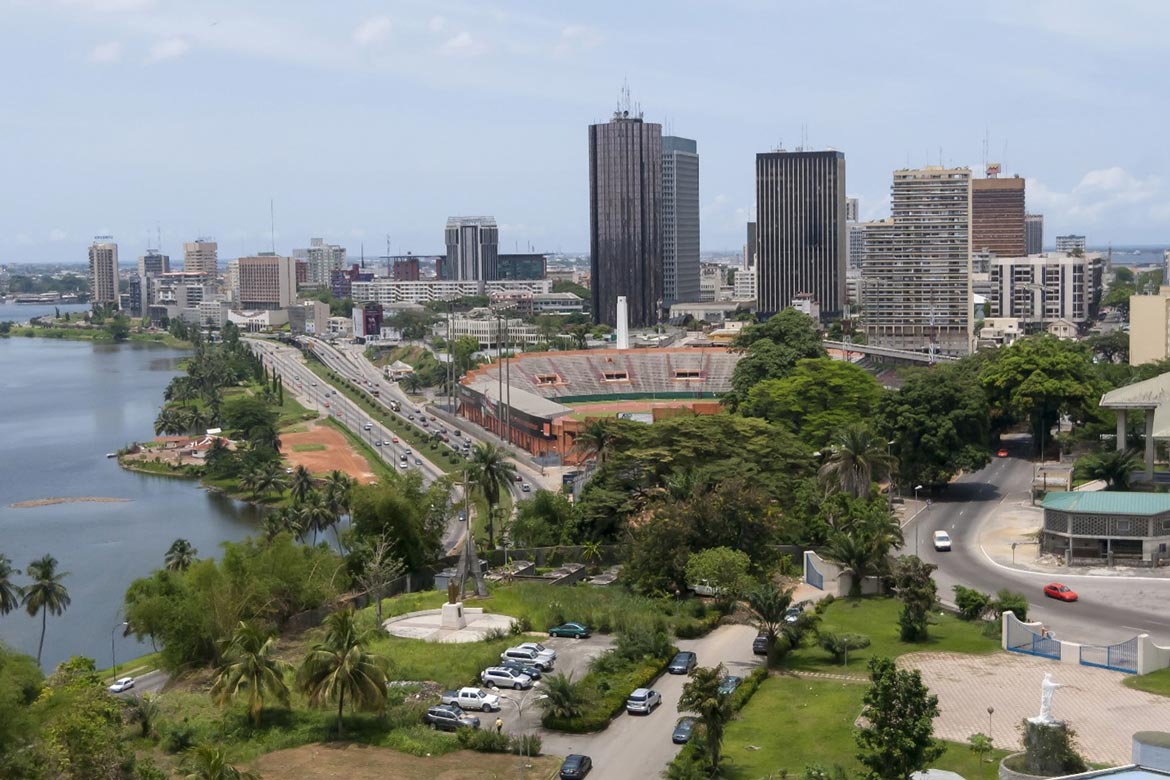
One case in point has been in Côte d’Ivoire, where ICIEC has supported the construction of hospitals and medical facilities. “That project was timely as we closed it just before the pandemic started. We did the due diligence two months before. And then the project itself started with all the challenges of the lockdowns, etc. But the project has been a success because they met the construction deadlines,” says Fofana. “These are the types of projects we support in Africa, socially driven ones that are also commercially driven. We tend to encourage those projects because we believe that this is where revenues can be generated which can mitigate some of the increasing debt levels.”
ICIEC is a developmental institution. “Our first mandate is to support developmental projects,” Fofana says. “So there must be at least two or three UN Sustainable Development Goals (SDG) in a project for it to be able to benefit from ICIEC’s insurance. We’ve supported a lot of projects such as the construction of those two regional hospitals and five medical units throughout Côte d’Ivoire. In the beneficiary communities, the closest hospital was more than 30 kilometers away.
Along with many other developmental agencies and export credit agencies, supporting environmentally sustainable projects is important. “On E&S (Environmental and Social Impact Assessment), our approach is to try and conform to the international performance standards such as the IFC’s, etc., and we follow the laws and regulations of the host country in our underwriting process.
“This year, Dr Muhammad Sulaiman Al Jasser, the President of the IsDB, came up with the motto, “let’s go green”. Right now we are doing our best to support all projects, not only in the ‘green’ sector, but also in all othESG-relatedted ones, for example, in water supply management, wastewater collector pipes, etc.. We’ve done projects in Senegal, in Côte d’Ivoire, in Benin, in Egypt among others, where we have supported developmentally impactful projects in terms of sustainability and economic development.”
Sustainability-linked lending? ICIEC is already there
In terms of international finance, Sub-Sahara Africa is yet to benefit, on a grand scale, from sustainability-linked loans, which have been recently popular with some international bank issuers. That means that when projects in specific sectors meet pre-agreed targets/milestones after a specific time (such as measurable improvements in water access, education, etc) the terms of the loans can be modified in favour of the borrower. However, ICIEC is already pursuing some of these types of incentives in its insurance support to project lending. “All the loans that we support naturally must have this element,” says Fofana.”
Credit substitution affect benefits
“Everything that we do in ICIEC is to provide relief to our Member States among which are the African countries. We noticed that when we go, for example, on missions in some of our member states, there is a misperception about the role of insurance providers. They perceive insurance as an additional cost, whereas in reality, it is not. Right now, many of them have a better appreciation of the mechanics and positive contributions of a guarantee/insurance. Normally if a guarantee is provided by a multilateral insurance company, then the overall cost of financing should be lower.
This is what we should experience with the loan insurance. When we insure a loan, we achieve (to some extent) credit substitution. This means, for example, a country that is rated B [by Fitch] can benefit from the promotion in international capital/loan markets of a B-rated country paper being supported by ICIEC’s Aa3 rating.
This enables savings to be made. “What we’ve calculated so far is that countries can achieve between 200-300 basis points in savings for longer maturities,” says Fofana.
And in an environment of rising debt levels, the IMF has warned that a careful watch should be made on risks presented by elevated public debt (asserting that low-income countries were already reaching 50% debt as a percentage of GDP (and emerging economies 65%) in 2021, and many countries are already higher than that).
“Knowing this, these types of structures should be really encouraged,” Fofana asserts. For example, there are other interesting funding projects being undertaken in Sub Sahara Africa such as the African Development Bank (AfDB)’s ‘Room2Run’ securitisation (which was issued in 2018). This is a synthetic securitisation Risk Protection Agreement related to a $1 billion portfolio of seasoned African non-sovereign loans held by the AfDB. The securitisation has freed up space for the AfDB to make more than $650 million in additional loans, without needing further capital from its shareholders.
“AfDB has done a great job which enabled them to unlock some additional funding to finance additional socially driven projects in Africa,” says Fofana. “I believe that African decision makers already know what they can do to improve their sustainability and their growth and are better placed to understand what is good for them. From the lenders’ and insurer’s perspective, instead of giving lessons, we should develop structures that are interesting and that will decrease the overall cost of financing, that for example will encourage PPP (public-private partnership) types of transactions.”
A call for more concerted action
In an ideal world, the most straightforward answer to improving infrastructure finance would be that projects that are commercially driven, that are generating cash flows, should be financed by international commercial banks, and projects that are socially driven should be financed by multilaterals with grants and concessional financing. However, that has not been the case in Africa, but with more cooperation, ECAs, DFIs, MDBs and commercial banks should also come up with some solutions to foster those types of complex structures like PPP to enable a balance to be struck for a more sustainable Africa.
ICIEC is not yet providing a guarantee for commercial banks against non-payment of project companies (non-recourse Special Purpose Companies) in PPPs, which is what international commercial banks are searching for, as there are complications for disputes and arbitration. Nonetheless, there should be ways for multilateral development banks (MDBs) and developmental financial institutions (DFIs) to step up and fill the void. In the G20 Eminent Persons Group (EPG) Report, there was a call for a switch from direct lending to more unfunded types of structures. At the moment, MDBs in Africa barely provide an estimated 5% of the financing needs of the continent.
“If you tap into the funding of institutional investors, international commercial banks, etc., we can do a lot more than 5%. Our role is to really provide some solutions to these African countries, some structured solutions with MDBs that can take the risk that some international commercial banks wouldn’t want to take. And this is the role of the MDB, because they understand the risk in these countries,” says Fofana.
All that speaks well for the good cooperation opportunities within the community of ECAs, DFIs and international banks.
This is a digest of ICIEC’s contribution to a prestigious panel of representatives from the Swedish Export Credit Agency, EKN, Deutsche Bank, and SERV Swiss Export Risk Insurance at TXF’s Middle East and Africa conference in Dubai in March 2022. Here they discussed, among other issues, the role of those organisations’ development of Ghana Western Railway amid Ghana’s high (78%) debt to GDP ratio, and ICIEC’s involvement in healthcare in Côte d’Ivoire stimulating the local job environment and ensuring new and timely treatment of healthcare.
On the road to lift off with Pakistan’s new EXIM Bank

It’s an interesting time to be setting up a new export-oriented development financial institution, but Irfan Bukhari, President, and CEO of EXIM Bank of Pakistan is brim full of enthusiasm about the opportunity and his journey. Bukhari, a former stalwart of the IsDB Group, tells us about his aspirations for the development bank with a mission ‘supporting export growth through diversification’.
You are establishing a restructured export credit agency (ECA) for Pakistan. What is it that an ECA can do to help encourage exporters and help diversify exports? Where are you now in the journey?
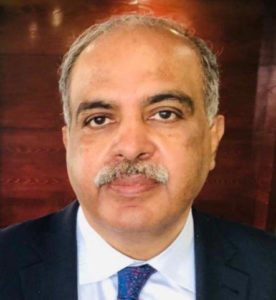
Irfan Bukhari: EXIM Bank of Pakistan is not a restructuring, it’s a brand new institution which is undergoing a process of being created/being inaugurated soon. It is a new institution of the Government of Pakistan, and it’s a start up. I’ve been engaged with this institution for the last 18 months or so. When the new management team and the Board took hold of this institution, it had progressed hardly 5%. Eighteen months later we have already applied to the authorities for commencement of business. This could not have been possible without the support of not only the stakeholders in Pakistan but also the support we received from multilaterals such as ICIEC, the IsDB Group, and the Asian Development Bank.
The Government of Pakistan has made a policy decision to set up an EXIM Bank for Pakistan, which is different from an ECA. ECAs only provide only products and are engaged in supporting exports only. On the other hand, an Export Import Bank (EXIM) not only provides insurance products of an ECA, but also provides financing. Also, EXIMs support import substitution projects, with a focus on the ones that are also export oriented.
EXIM banks contribute not only to protecting exporters from the risk of default by a buyer, but also are able to provide financing for working capital and capital investments. The latter helps in increasing the production capacity of exporters – if they can produce, they can export. EXIM’s mandate is the sum-total of the business undertaken by PPP, ICIEC, ICD, and ITFC. Therefore, we are partnering very closely with the IsDB Group as there are many synergies that can be exploited for the mutual benefit of meeting our respective mandates.
Can you tell us a little about your own journey into this role and the general vision you have for EXIM Bank of Pakistan?
Irfan Bukhari: I started my career as a commercial banker in Pakistan some 37 years back, much involved in trade and corporate finance. I attended Queens University in Canada for my MBA – a very educating experience, and thereafter worked with their EXIM [EDC] and learned project financing from very experienced practitioners. I joined the IsDB Group in 2000 and had the most rewarding, exciting and enjoyable next 20 years – undertaking exciting and in some cases, ground-breaking infrastructure projects in Asia, Africa, Middle East and the CIS countries and personally developing many skills and understanding development banking.
Moving from the IsDB was not an easy decision but EXIM was also a great/once in a lifetime opportunity. To be honest, Mr Oussama Kaissi [CEO of ICIEC], was more excited for me than I was at the time! That made things easier for me. I have been in the current role since September 2020, with the grace of God, I have enjoyed every moment of building EXIM Bank of Pakistan – we are a small dedicated, result oriented team. The full support and trust of the board certainly made things much easier. In March this year we applied for Commencement of Business to our regulators, and we expect to be operational soon.
My personal vision for EXIM is 100% aligned with the vision of the Bank, namely to contribute towards a sustainable and positive trade balance for Pakistan. I think our plans on how to reach that is where the operational excitement comes, with many challenges that provide us the opportunity to show our mettle to deliver our products that are unique and much required in the market.
In Pakistan, like in many countries, access to financing for small and medium sized (SME) exporters is relatively limited. EXIM will contribute to changing this by finding the right risk balance in our portfolio between different sectorial, regional and exporters categories (SMEs, corporate, banks, etc) and provide more and more support to SMEs. We have and will continue to invest heavily in technology, risk assessment, impact measurement, and management.
It certainly is a challenging time in the global economic context – what will be the main priorities over the next year? What will constitute ‘success’ on a five year view?
Irfan Bukhari: I think the biggest success would be to launch the Bank within the shortest possible time. We have made a request to our regulator to provide us with commencement of business certification. In order to do that we still need an Act of Parliament.
The Government of Pakistan’s Strategic Trade Policy Framework (STPF) has many aspirations. While EXIM will obviously be supporting traditional export sectors such as textiles, fruits and vegetables etc, it will also have a special emphasis on sectors where EXIM can have the largest impact. We would like to get more and more involved in areas which are new and have a bigger ‘bang for the buck’.
- As an example, software exports have taken a foothold during COVID-19 with some buyers preferring to buy from Pakistan where COVID lockdowns were limited (‘Smart-lockdowns’) and in fact exports increased during the period. Software exports have a high level of local content, and therefore the most direct impact on our vision – they do not need a significant amount of imports to support these exports.
Software exporters’ main asset is their intellectual capabilities, their company balance sheets do not always have significant assets to pledge to any bank, and therefore, do not get bank financing. EXIM will have the capacity to take risks on the international sales contracts of exportersand provide funding against such contracts. EXIM believes that interventions such as these can have a huge impact on export growth of the industry, employment, and entrepreneurship. This Software Export Expansion Program (SWEEP) has already attracted the attention of local and international banks in Pakistan as well as the government-run Software Export Board.
- EXIM would also like to support and encourage Pakistan-based engineering companies to build more bridges, power plants, roads, and dams outside Pakistan, and EXIM will want to assist them in arranging buyers’ credit. ICIEC and its partners such as SMBC, JP Morgan etc, will, we envisage, play a significant role here.
- EXIM will work with multilateral development banks (MDBs) to assist Pakistan in issuing green Sukuk and bonds to enable our exporters to increase the green footprint in their export processes.
- Finally, we would from day minus-one, create a reputation of professionalism, efficiency and be a dependable development bank for exporters with state-of-the-art systems and impact assessments.
Partnerships will clearly be an important area for EXIM Bank of Pakistan to explore – how best can international insurance organizations such as ICIEC and members of IsDB and other global ECAs and DFIs go about finding out about your plans and agenda?
Irfan Bukhari: Partnerships will be an important pillar for our expansion. For EXIM, one of the key areas of support that it will provide is the expansion of manufacturing and production capacity in the country. This is critical as over the last many decades, there has been a steady decline in this area (as a percentage of GDP), while for our competitor nations, the trend has been in the opposite direction.
Pakistan buys a lot of manufacturing equipment from Asia as well as Europe and the US. We will join hands with the EXIMS/ECAs in these countries for them to support their exports of machinery and equipment, assist them in due diligence, perhaps share a portion of their risk and have them take the risk on the Pakistan enterprise. This will increase the amount of risk capital in Pakistan significantly. We also aspire to join hands with some EXIMs to partner in undertaking larger projects in third countries where both countries’ exporters execute projects in partnership.
Relationships with institutions like ICIEC and IsDB are critical. Besides the fact that I feel at home working with the brilliant teams in these institutions, their Chief Executives have in fact introduced EXIM Bank of Pakistan to some of the EXIMs and encouraged them and us to work together. When the President of the Bank does this, it is a support like no other for a young and upcoming EXIM, and an endorsement that only encourages us to be more vigilant and responsible for the relationship
Do you have ambitions on the digitisation and technology agenda with a ‘clean slate’?
Irfan Bukhari: Digitisation and technology are a priority on our agenda. We believe that exporters need timely information to be able to secure export orders and to be able to make informed decisions. The reinsurance arrangements that we are structuring with ICIEC will provide us with access to credit information to some 200 million buyers around the world.
In order to exploit this to the maximum benefit of exporters, we are engaging with the very best (no compromise here) software providers and each one of them is very competitive. With AI integration, we expect to get automated underwriting for a portion of the risk (albeit low to begin with).
Digitisation will also assist EXIM in using the data created for marketing, product development and focused support to exporters.
EXIM will digitise each and every part of its business to create opportunities. The objective will be to effectively use state-of-the-art solutions and to integrate them on a real-time basis. This means digitalising the complete customer experience and journey with the EXIM Bank, starting from on-boarding, KYC, AML/CFT checks, compliance/regulatory checks, product offering, relationship management through digital channels, and all other aspects involved in business processes. At the same time, EXIM will ensure that we opt for a ‘pay as you grow’ model and will try to take leverage of ‘cloud solutions’ to ensure that the cost is rationalised as digitalisation is achieved.
How are you planning to align with the broader global sustainable development goals (SDG) agenda in your mission?
Irfan Bukhari: SDG 17 talks about partnerships and 17.11 talks about the growth of exports of developing countries. SDG 5 talks about Gender Equality with emphasis on equality under SDG 5.5. Then there are others such as SDG 1 (no poverty), SDG 3 (good health and wellbeing) SDG 8 (decent work environment) SDG 10 (reducing inequalities) which also impact EXIM’s operations. I am sure there might be others.
Let me focus on the first two.
To contribute towards 17.11, EXIM will focus on the global/local trends impacting exports. Exporters in Pakistan have started focusing more and more on sustainability making significant investments to ensure ‘green-exports’ which not only is good for the environment but also for business and are within the Voluntary Sustainable Standards (VSS) which address some sustainability metrics such as the environment, human rights, labour, or gender equality. Adherence to the above requires capital investment/long-term debt, in most cases.
EXIM plans to work with MDBs such as IsDB/ICIEC to create a pool of long-term financial resources for VSS Equipment Financing, perhaps a Green Bond if there is sufficient volume for green and sustainable exports.
In terms of gender equality, the central bank has taken this issue up under the banner of ‘Equality in Banking’. Given the importance of this issue for sustainability, the Governor of the central bank has taken a lead on this and is assisted by his able deputy Governor. At EXIM, I am happy to state that of the first three staff we bought into EXIM, two were women.
And on the ESG side, there is a lot of overlap with SDGs. In terms of sustainability, our exporters will benefit and be the preferred supplier if they are ESG compliant. That is why slowly but surely exporters have started addressing this. We just want to accelerate that in a big way. As the development bank, we will have the capacity and the capability, and the risk to do this as well, and the partnership angle will come in to play here too, as they will be giving us risk appetite. As I say, we are using our limited resources to show our mettle to leverage in a risk intelligent way and that is where the ‘oh wow!’ factor will come in.